3 Simple Habits for a Healthier Kitchen Garden in Hot, Dry Weather
Hot, dry weather changes the rules in a kitchen garden. Shallow watering, thin soil, and bare ground all fail faster when the sun is strong and the wind keeps moving. The answer is not more fuss. It is three steady habits: water deeply, feed the soil, and keep the surface covered.

Habit 1: Water deeply and efficiently
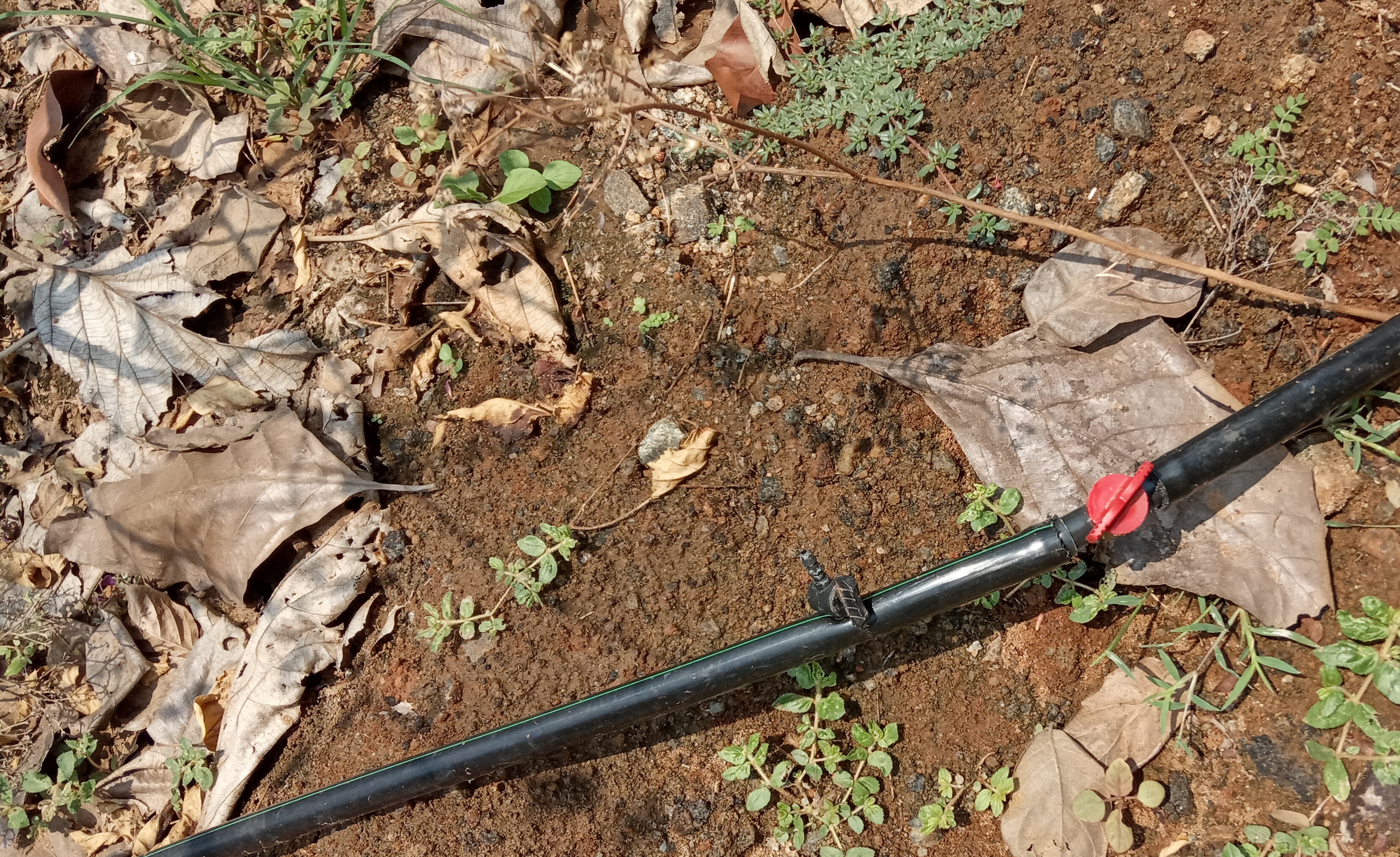
Vegetables do best when moisture reaches the root zone instead of wetting the leaves and evaporating before it helps. In warm spells, a slow soak is better than a quick splash. Drip lines or soaker hoses placed under mulch are the cleanest setup for most raised beds and small kitchen gardens.
Focus on consistency. Check the soil a few centimetres below the surface and water when it begins to dry. That rhythm matters more than chasing a fixed calendar. For a practical extension guide on water-wise vegetable gardening, see UC ANR’s guide to saving water in the vegetable garden.
- Water early in the day so plants can absorb moisture before the heat builds.
- Keep emitters close to the base of each plant.
- Run irrigation long enough to wet the root zone, not just the top crust.
- Use mulch over drip lines so moisture loss stays lower between cycles.
Habit 2: Improve the soil with compost
Compost is not a luxury layer. It is the part of the system that helps sandy or tired soil hold moisture and stay open enough for roots and soil life. A bed with regular compost is easier to manage through hot weather because it stores water more evenly and recovers faster after heat stress.
Add a thin layer and work it lightly into the top of the bed before planting, or top-dress established beds between crops. Keep it practical: compost improves structure, but it is not a substitute for irrigation. For a clear extension overview of why compost and mulch work differently, the University of Minnesota Extension separates soil improvement from surface cover in a useful way.

Habit 3: Use organic mulch correctly
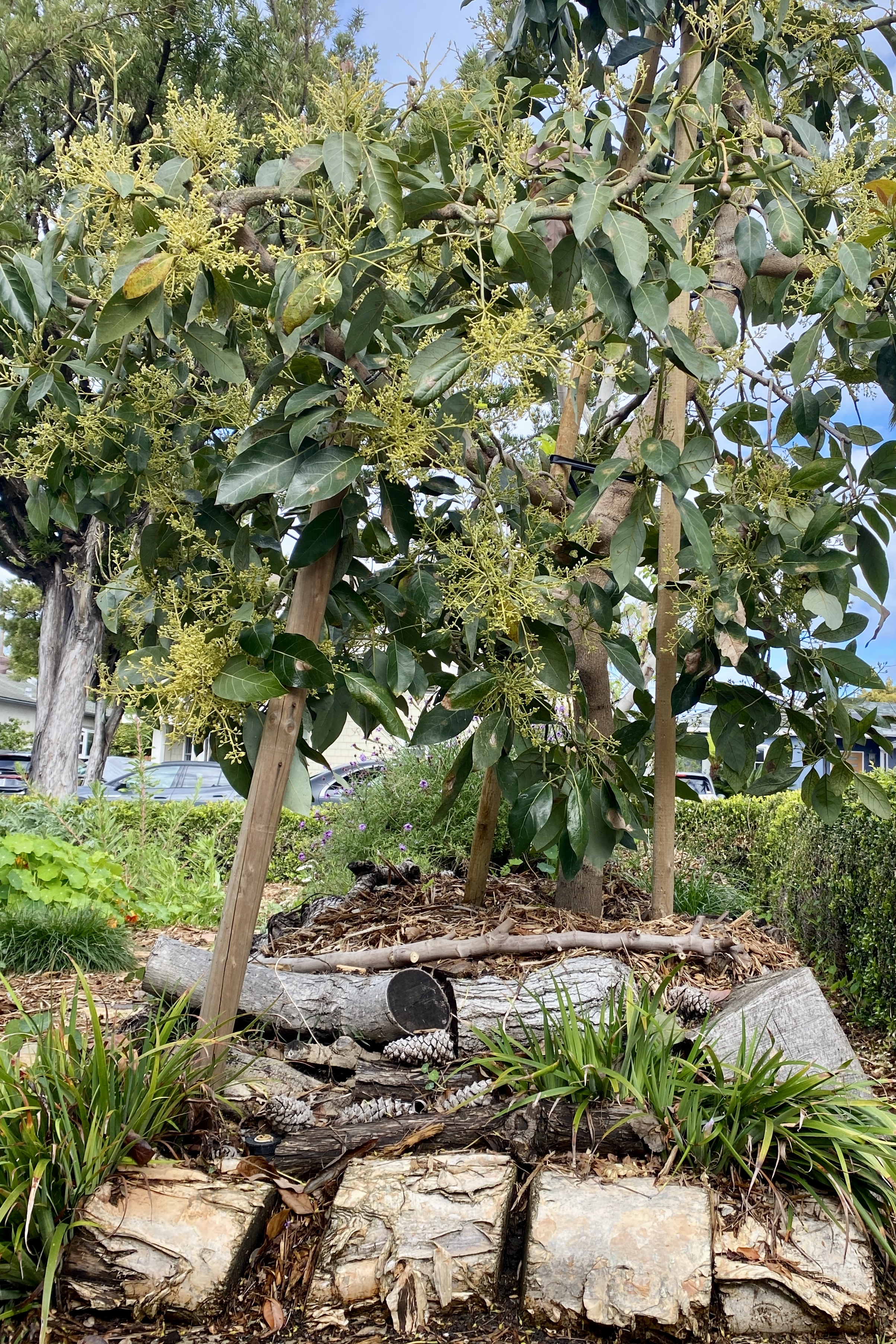
Mulch is the surface shield. It slows evaporation, suppresses weeds, and keeps the soil temperature steadier. In hot, dry weather, that reduces the garden’s swings from one extreme to another. Use organic mulch such as straw, shredded leaves, or fine bark, and keep it away from stems so you do not trap excess moisture against the plant.
Do not treat mulch and compost as the same thing. Compost feeds the soil; mulch protects the surface. In practice, they work best together. UC ANR’s watering vegetables guidance notes that a few inches of organic mulch can make a meaningful difference in exposed beds when applied correctly.
- Apply mulch after the soil has been watered.
- Keep a small gap around stems and trunks.
- Refresh thin spots before the hottest part of the season.
- Use a finer mulch for seedlings and a coarser one for established beds.
Quick seasonal checklist
- Check emitters, hose connections, and clogged drippers once a week.
- Top up compost between crop cycles.
- Keep mulch depth even across the bed.
- Remove weeds while they are small; do not let them compete for water.
- Harvest frequently so plants keep producing instead of wasting energy.
Common mistakes to avoid
- Shallow watering: it encourages weak roots and faster wilt.
- Bare soil: it dries quickly and invites weed pressure.
- Too much compost at once: more is not always better; build the soil steadily.
- Mulch piled against stems: this can create rot and pest problems.
- Overhead watering as the main method: it wastes water and often misses the root zone.
For more practical gardening guidance, browse the latest publications, check the gardening news section, or review the pomelo growing guide for another warm-climate crop example. If you want help keeping a bed on routine, start from the home page and use the contact page to ask for maintenance support. You can also see the service area on where we work.
Conclusion
A healthier kitchen garden in hot, dry weather usually comes down to three decisions made well: water deeply at the root zone, improve the soil with compost, and cover the surface with organic mulch. Keep those habits in place, and the bed becomes easier to manage and less exposed to avoidable stress. If you would rather have a maintenance routine handled with less guesswork, ask for local garden help before the next dry spell takes hold.