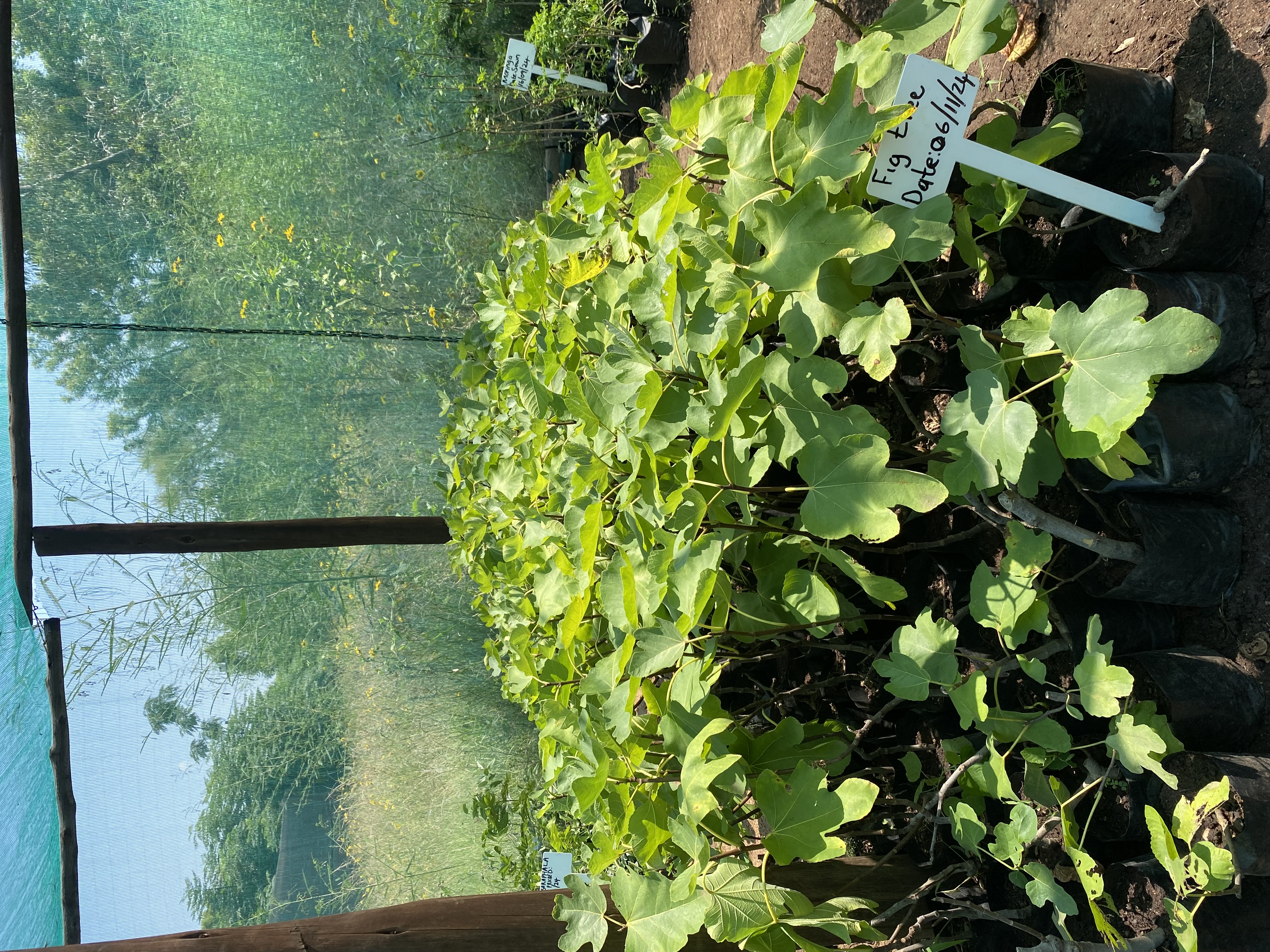
Planting a Fig Tree: Step-by-Step for a Healthy Start
Pruning Basics for Structure and Fruiting
The first pruning goal is structure, not intensity. You are trying to build a shape that gets light and air through the canopy while keeping the framework easy to manage later. Late winter is usually the safest moment for more deliberate structural pruning.
In the first season, focus on simple corrections:
- Remove broken or clearly damaged growth.
- Cut out rubbing branches before they create wounds.
- Keep a few well-placed main branches rather than too many weak competitors.
Do not turn first-year pruning into a dramatic makeover. A young fig still needs leaf area to build strength. If the shape is slightly imperfect but the tree is healthy and stable, patience is usually the better choice.
Once the tree matures, thinning the center lightly can improve airflow and make inspection easier. Clean tools and restrained cuts will usually take you further than aggressive shaping.
How to Manage Common Issues: Suckers, Pests, and Small Warnings
Young fig trees are not usually complicated, but they do reward observation. Several minor problems become annoying only when they are ignored for too long.
Suckers from the base
Suckers pull energy away from the main framework. Remove them while they are small so you do not leave large wounds later.
Aphids or soft-bodied pests
Check tender new growth and the undersides of leaves. A light early problem is much easier to manage than a sticky, crowded colony. Encourage airflow and avoid overfeeding, which often creates soft growth pests enjoy.
Leaf scorch or wind stress
If the planting site is extremely exposed, young leaves may show stress before the roots are fully established. Temporary shade during extreme heat or better wind shelter can help more than extra fertilizer.
Overwatering confusion
This is the one worth repeating. Yellowing leaves do not always mean thirst. If the soil stays wet, pause and reassess drainage before adding more water.
Small Mistakes That Cause Big Delays
Most fig-tree setbacks in warm gardens are not dramatic diseases. They are early setup mistakes that keep repeating quietly.
- Planting too deep: this keeps the trunk base too damp and slows the tree down.
- Making the hole deep but narrow: roots need width more than a shaft-like planting pit.
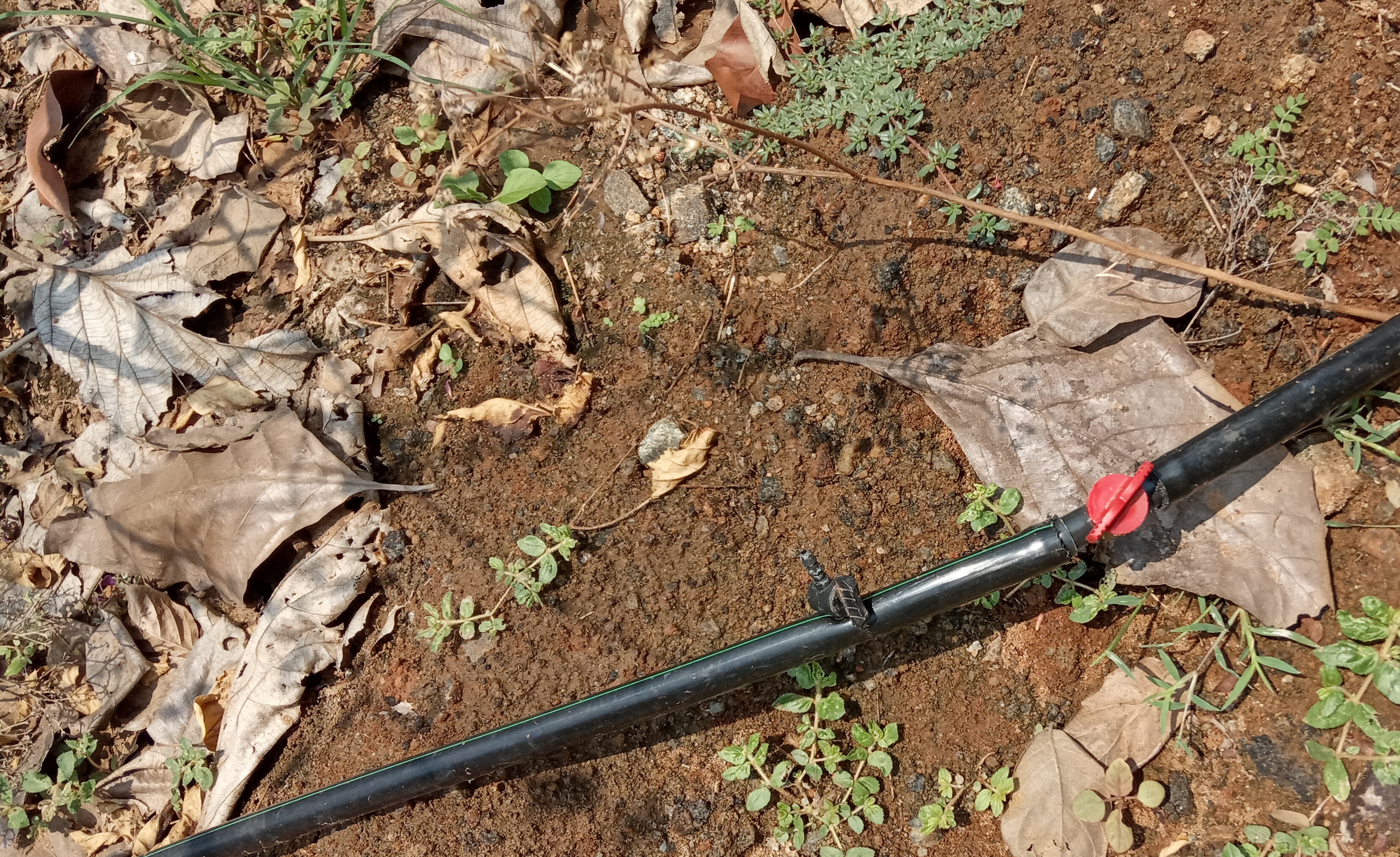
- Using automatic irrigation without adjustment: frequent shallow water is not the same as deliberate establishment watering.
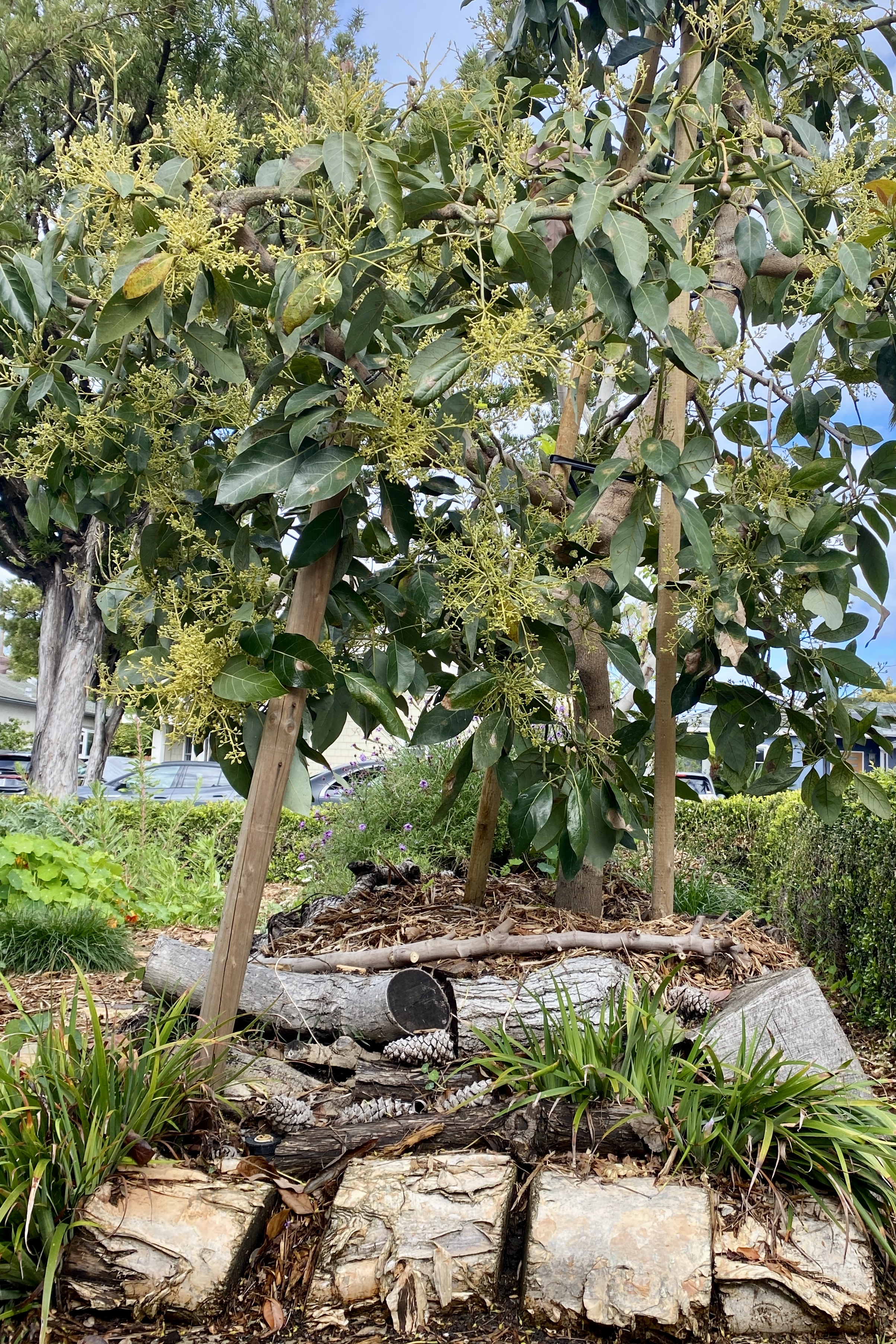
- Mulching against the bark: the trunk base should stay open and airy.
- Feeding because growth looks modest: modest early growth is often normal, while overfeeding creates new problems.
When something looks off, go back through these basics first. That slow, methodical review is usually more useful than reaching for a treatment before you know the cause.
First-Season Care Checklist
If you want a calm, repeatable routine, use this checklist:
- Check soil moisture before each watering.
- Keep the mulch ring wide and the trunk base clear.
- Remove weeds that compete directly over the root zone.
- Watch for circling ties or supports that begin to rub the bark.
- Trim off suckers while they are still small.
- Look at the tree after windy days, not just after watering days.
- Feed lightly only if the tree needs support, not because the calendar says so.
- Plan light structural pruning for late winter rather than making reactive cuts in every season.
A steady first year often looks quiet from the outside. That is normal. Root establishment is useful work, even when it is not dramatic work.
When You Want a Second Opinion
If your site has awkward drainage, heavy exposure, or limited planting space, gather a few details before you reach out: how many hours of sun the spot gets, how long the soil stays damp after watering, whether the tree is in the ground or a pot, and what symptoms you are seeing. That makes it much easier to give practical guidance. If you want help thinking through placement, irrigation, or first-season maintenance, you can contact us through our contact page.
Key Points to Remember
- Give figs full sun, drainage, and enough root space from the start.
- Plant at the original nursery depth; deeper is not safer.
- Water deeply, then let the soil begin to dry before watering again.
- Feed lightly and avoid forcing fast, soft growth.
- Use the first season to build stability, not to chase quick results.