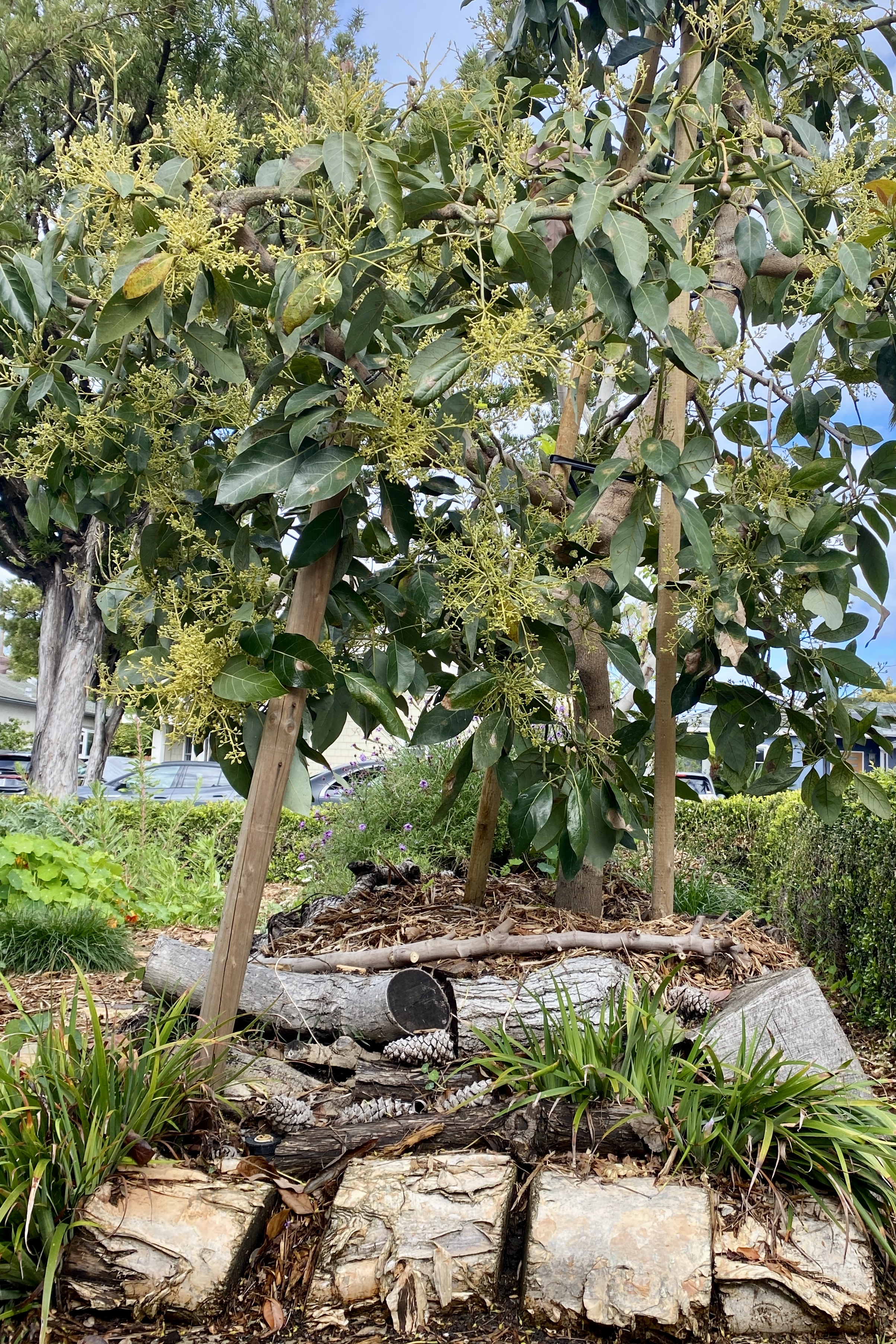
Hügelkultur Beds: When They Work (and When They Don’t) for Backyard Gardens
Maintenance after building
Most of the success comes after the build day. The first months tell you how the bed behaves in your own conditions.
Mulch regularly
Mulch protects the surface from rapid drying and reduces splash erosion after watering.
Top up the cap layer
If the bed settles, add more soil-compost mix rather than leaving roots exposed.
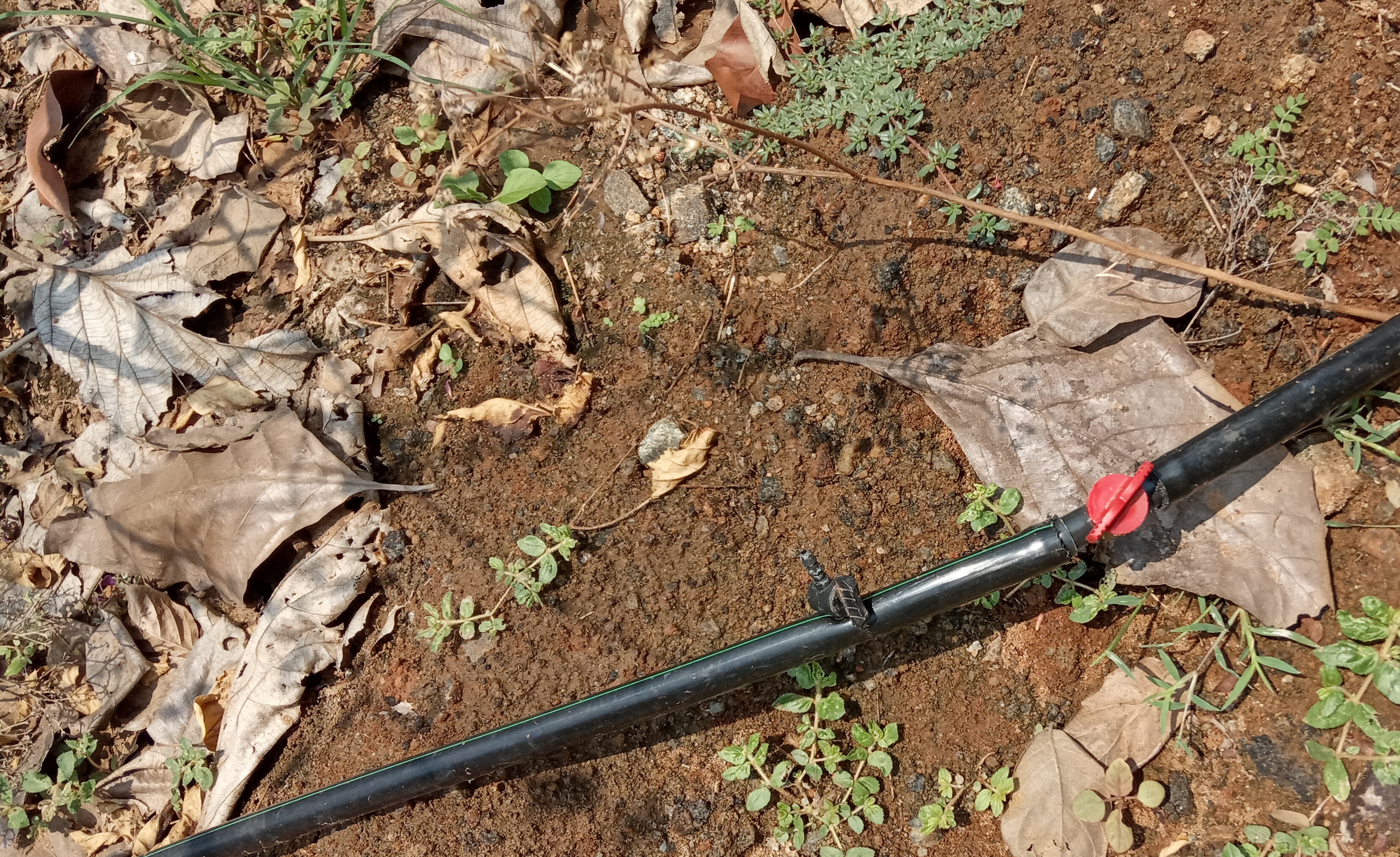
Watch irrigation
Do not assume the mound needs less water from day one. Check by touch and depth, not by wishful thinking.
Monitor edges
Bare sides, slipping mulch, and exposed wood are signs that the shape needs correction.
It also helps to track seasonal changes. If you want broader seasonal context, our gardening news updates and publications are good places to continue reading.
Alternatives if hügelkultur is not the right fit
You are not failing the idea if you decide against it. Sometimes the best gardening choice is simply the one you will maintain well.
- Framed raised beds: easier to irrigate, easier to fill evenly, and simpler for compact spaces.
- Container growing: especially useful on patios, rooftops, and small coastal gardens where drainage and mobility matter.
- Sheet mulching and compost top-dressing: a lower-profile method for improving soil without building a mound.
- Conventional in-ground beds: often the cleanest choice when your soil is already workable and space is limited.
If you are still comparing approaches, the home page offers a wider view of garden care priorities across the site.
Bottom line
Hügelkultur beds can work beautifully in a backyard garden, including Mediterranean conditions, but only when the build matches the site. If you have room, woody material to reuse, and the patience to monitor the first seasons, the method can reward you with healthier soil and a more resilient planting bed. If you need predictability, crisp structure, or tight control in a small space, a traditional raised bed is usually the calmer next step.
That is often the most reassuring conclusion: you do not need the most dramatic solution, only the one that makes sense for your garden.