Fertilizing in Autumn: What to Feed (and What to Avoid)
By Isla Bennett · June 29, 2026
Autumn fertilizing works best when it supports roots and reserves, not a burst of soft new growth.
When people ask whether to feed a garden in fall, they are usually asking four quieter questions at once: Should I feed at all? Which plants actually need it? Is slow-release better than liquid? and How late is too late? The RHS puts the warning plainly in its nutrient guidance: feeding isn’t recommended in autumn for most plants because soft growth can be damaged later. UC Marin Master Gardeners make the same point from another angle: stop fertilizing in late fall as soil temperature drops.
That does not mean every autumn feed is wrong. It means the timing, product type, and plant choice matter more than they do in spring. If you want the broader garden context before or after this guide, start on the homepage and then browse Publications for related seasonal advice.
In this article, I’ll walk through why autumn feeding is different, how slow-release and quick-release products behave, which plants are most likely to benefit, what to avoid before colder weather, and how to read the signals a plant gives you when it needs help. The goal is simple: feed with enough care to help the plant settle, but not so much enthusiasm that you push it into a weak, tender flush.
Why Autumn Fertilizing Is Different
Spring feeding is about speed. The plant is waking up, pushing leaves, stretching roots, and trying to build a canopy. Autumn is the opposite story. Days shorten, nights cool down, and many plants begin shifting energy away from dramatic top growth and toward survival, storage, and root support. That is why the same fertilizer can be helpful in one season and awkward in another.
I tend to think of fall feeding as a question of efficiency. The question is not, “Can the plant use nutrients?” It is, “Can the plant use them in time, in a form it can handle, without forcing a growth spurt that will be exposed to stress later?” The answer changes with plant type, temperature, moisture, and how much active growth is left in the season.
The RHS explains the general principle clearly in its guidance on how plants absorb nutrients: autumn feeding is usually discouraged because it can encourage soft growth that cold weather damages more easily. UCANR’s garden guidance says the same thing in practical terms: as soil temperatures fall, plants slow down, and fertilizing becomes less useful. That is a useful reminder for any garden, even one that stays mild longer than expected.
For readers who like a short rule to carry around, mine is this: feed the plant’s future, not its vanity. A gentle nutrient boost that supports roots, storage, or recovery can make sense. A flashy flush of leaves that cannot harden before cold weather does not.
There is also a soil reason to be careful. Heavy autumn rain or frequent irrigation can move soluble nutrients beyond the root zone before plants make use of them. The result is waste, not support. The plant gets less help, and the garden gets a messier feeding pattern than it needed.
If you want a general reference point for fertilizer types, the RHS guide to fertilisers: types and uses is a useful overview. It reinforces a simple idea that matters in autumn: the product label is not the whole story. The season changes what the product should do.
General Principles: Slow-Release vs Quick Feeding
Once autumn arrives, the biggest decision is often not whether to feed, but which kind of feed is least likely to cause trouble. Slow-release products usually make more sense than quick-release ones because they deliver nutrients gradually. That lower-pressure pace matches the season better, especially when you are supporting shrubs, perennials, or container plants that still have some active growth left.
Quick-release liquid feeds can still be useful, but they should be treated like a precision tool, not an all-purpose answer. If a plant is pale, actively growing, and clearly behind because it has been underfed, a modest correction may help. If the plant is already slowing down, the same quick feed can push delicate growth that has no time to mature. Autumn is not the place to be generous in the wrong direction.
Here is the simplest way I can separate the options:
| Type | Best use in autumn | Main caution |
|---|---|---|
| Slow-release granular feed | Gentle support for active perennials, shrubs, and some container plants | Still avoid if the plant is stressed, diseased, or nearly dormant |
| Liquid or quick-release feed | Short-term correction when the plant is clearly still growing and warm soil remains | Can trigger weak new growth if used too late or too often |
| Compost or well-finished organic matter | Improving soil structure and adding a light, slow background nutrient supply | Not a complete fertilizer, so it should not be treated as one |
One practical benefit of slow-release materials is that they reduce the temptation to “fix” the garden twice. You apply once, water in properly, and watch. If the plant looks steadier over the next few weeks, you have done enough. That is a better autumn outcome than chasing perfection with repeated feeds that the plant cannot fully use.
RHS’s advice on autumn lawn care makes this logic visible in a narrower context: autumn lawn feeds are richer in potassium and phosphorus to encourage hardiness and root growth, while leftover summer feed is too heavy in nitrogen. In other words, even where autumn feeding is appropriate, the balance matters. The lesson travels well to other plants.
What Plants Typically Benefit
Not every plant wants the same thing in autumn. Some are still active and can make use of a restrained feed. Others are better served by mulch, moisture management, and being left alone. The goal is not to feed everything in sight. The goal is to support plants that still have real work to do before winter settles in.
The most common autumn beneficiaries are established plants with a functioning root system and enough warm soil left to absorb nutrients. That often includes shrubs, perennials, some container plants, and certain vegetables that keep growing as temperatures ease. It can also include lawns in the right climate and at the right stage, which is why autumn lawn feed is a separate category rather than a universal rule for the whole garden.
| Plant group | Why autumn feeding can help | What to watch |
|---|---|---|
| Perennials | Established clumps may benefit from a small nutrient boost if they are still active | Avoid feeding plants that are already going dormant or are struggling from heat stress |
| Shrubs | Roots can keep building before growth slows, especially in mild autumn weather | Do not push lush leaf growth right before colder nights |
| Cool-season vegetables | Leafy crops still in production may use a modest, balanced feed | Do not overdo nitrogen or you may get soft leaves and fewer sturdy harvests |
| Container plants | Small soil volumes lose nutrients faster and dry out in uneven ways | Feed only if the plant is active and the pot drains well |
| Lawns | Autumn feeds can support root hardiness and recovery in the right season | Use a formulation meant for autumn, not a leftover summer product |
For fruit trees and shrubs, the RHS guide on feeding and mulching is a useful reminder that nutrition is only part of the job. Moist soil, the right root-zone placement, and a sensible amount of mulch matter too. The root zone is where the useful work happens. The trunk is not the place to dump your optimism.
If you are feeding a plant that seems healthy, settled, and still active, use that as a sign to keep the dose modest. A plant that is already racing toward dormancy is usually telling you that mulch and water are more important than fertilizer.
What To Avoid Before Cooler Weather
Fall fertilizer mistakes usually come from enthusiasm, not malice. People want to help the garden and assume more input will mean more resilience. In autumn, that logic can backfire. The following are the mistakes I would avoid first:
- High-nitrogen feed late in the season. Nitrogen pushes leafy growth, and leafy growth is exactly what cold weather can damage.
- Feeding stressed or diseased plants. A plant already struggling with heat, drought, pests, or root problems should not be asked to process extra nutrients first.
- Applying fertilizer to dry soil. Dry roots are easier to burn, and dry ground does not help nutrients move where they are needed.
- Feeding right before a cold snap. If the weather is clearly turning, the plant is less likely to use the nutrients in a helpful way.
- Putting fertilizer against stems or trunks. Root zones matter; sensitive bark and crowns do not want concentrated fertilizer sitting on them.
- Treating compost like a complete feed. Compost is excellent for soil health, but it is not a one-for-one replacement for a balanced fertilizer when the plant truly needs nutrients.
- Feeding every plant in the same way. The problem is not just the season. It is the mismatch between the season and the plant’s stage of growth.
UCANR’s guidance on fertilizing also points out that hot weather is a bad time to push growth, because plants need more water and nutrient support just to keep up. Autumn is the mirror image of that problem: cool weather reduces active growth, so the plant may not be able to use what you apply. Different season, same lesson. Respect the plant’s pace.
It helps to keep a second rule in mind: do not fertilize if the plant is asking for basic care instead. A wilted shrub needs watering and diagnosis. A yellowing leaf might be nutrient-related, but it might also be a watering issue, drainage issue, or normal seasonal aging. Fertilizer is a tool. It is not a substitute for reading the rest of the garden.
How To Apply Safely
Safe application matters as much as the product itself. I prefer to think about autumn feeding in four steps: prepare, place, water, and watch. That sequence keeps the plant from taking the hit all at once.
- Start with moist soil if possible. Water the bed or container first if the surface is dry. Moist roots handle nutrients more gently than parched ones.
- Apply in the root zone, not at the stem. For shrubs, imagine a loose ring under the outer canopy where fine roots are active. Keep the feed away from bark and crowns.
- Use the lightest effective amount. Autumn is not the time for aggressive correction unless a plant clearly needs it and is still growing well.
- Water in the fertilizer. A light watering after application helps move nutrients into the soil and lowers the risk of leaf burn or surface buildup.
- Keep fertilizer off the foliage. Granules and concentrated liquid on leaves can scorch tissue, especially under sun or wind.
- Check again after a few weeks. The best response is usually steadier color, less stress, and gradual growth, not a sudden burst.
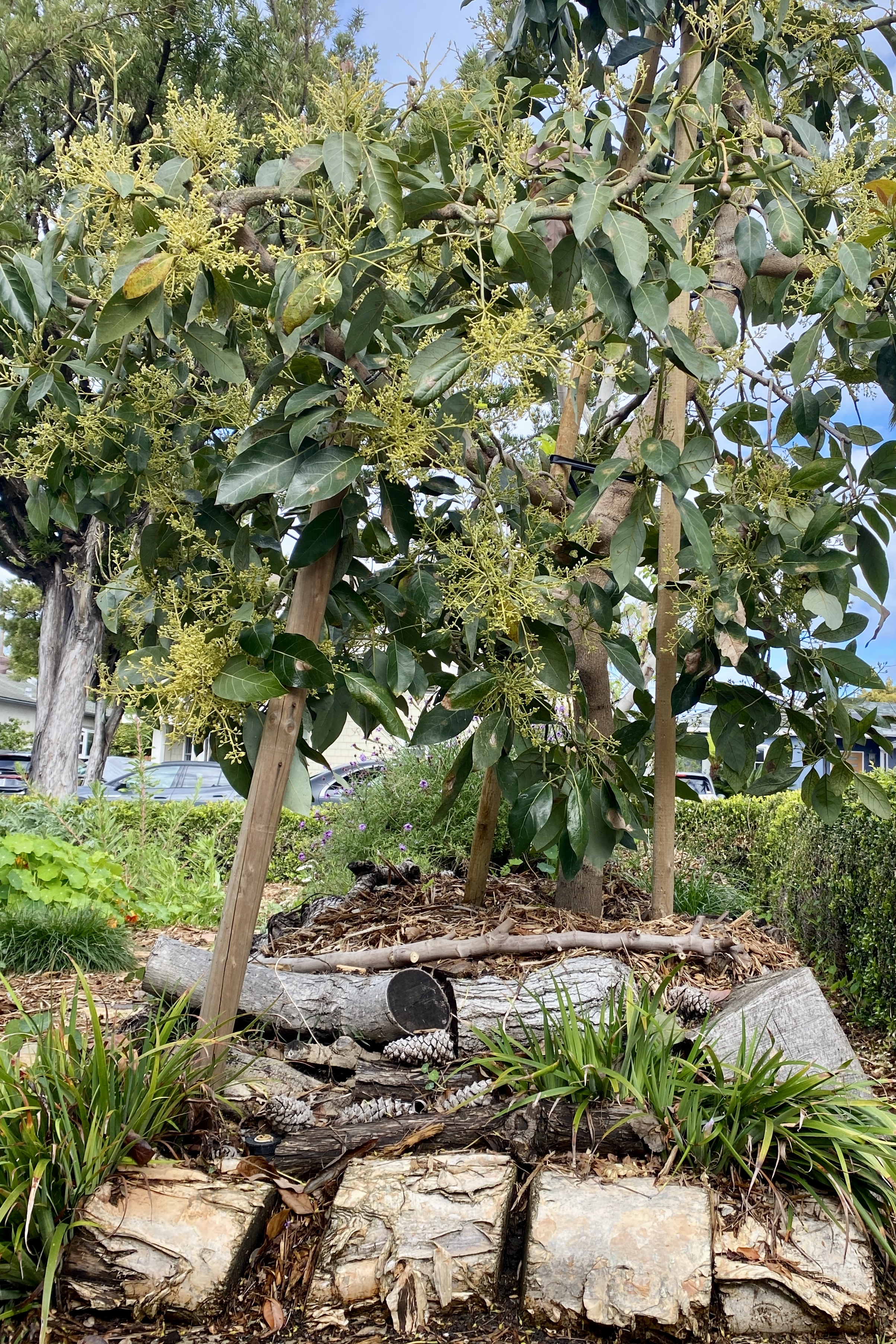
If you are using compost around shrubs, keep the layer even and modest. The point is to feed the soil biology and improve structure, not to bury the plant. A mulch layer can help hold moisture and soften temperature swings, which is often exactly what autumn gardens need. That is why the image above shows a broad, careful layer rather than a heap against the stem.
For gardeners who like a second reference, the RHS article on how to feed plants is a helpful reminder to keep fertiliser use minimal and targeted. That is especially sensible in fall, when the line between useful support and wasted input can be very thin.
How To Read Plant Signals
Plants do not send an email when they need nutrients, which is rude of them, but the signs are usually there if you know what to look for. The trick is to read the whole picture instead of grabbing the first symptom and calling it a diagnosis.
| Signal | What it may mean | What to check next |
|---|---|---|
| Yellowing leaves | Possible nutrient deficiency, but also watering, drainage, or natural aging | Check soil moisture, recent weather, and whether the yellowing is uniform or patchy |
| Stunted growth | The plant may be underfed, root-bound, stressed, or simply slowing for the season | Look at root space, recent transplanting, and whether the plant is still actively growing |
| Pale new growth | Often a sign of low nitrogen or poor uptake, especially in container plants | Confirm that watering and drainage are normal before feeding |
| Soft, overly lush growth | Too much nitrogen or a feed that is too strong for the season | Stop feeding, reduce stress, and let the plant harden naturally |
| Leaf burn or brown edges | Possible fertilizer scorch, salt buildup, drought stress, or wind damage | Flush the soil carefully if appropriate and review how the feed was applied |
One thing I would not do is interpret every yellow leaf as a call for fertilizer. Autumn naturally changes color and growth patterns. Some plants are simply winding down. That is normal. The job is to tell the difference between a plant that is hungry and one that is finishing the season well.
When the sign is unclear, I prefer to wait, water properly, and recheck in a few days. If the problem stays the same or spreads, then a light, seasonal feed may be appropriate. If it worsens quickly, the problem is probably not nutrition alone.
A Simple Autumn Feeding Schedule
There is no universal calendar that fits every garden, because temperature and plant activity change from place to place. But a simple seasonal rhythm is still useful. I use a “warm to cool” approach rather than a fixed date chart, because that keeps the schedule tied to plant behavior instead of the page on the wall.
| Time in the season | What to do | What to avoid |
|---|---|---|
| Early autumn, while soil is still warm | Inspect plants, top-dress with compost where useful, and use a light slow-release feed on clearly active shrubs, perennials, or containers | Do not assume every plant needs a boost just because the season changed |
| Mid-autumn, when growth slows but is still visible | Feed only the plants that are still taking up nutrients and showing real growth, and water in carefully | Avoid quick-release feeds unless you have a clear reason to use them |
| Late autumn, as nights cool further | Shift to mulch, moisture management, cleanup, and observation | Stop high-nitrogen feeding and do not push growth that will not harden |
| When colder weather is close | Leave most established plants alone and let them settle into dormancy or slower growth | Do not fertilize as a reflex “just in case” |
That schedule is deliberately simple because most home gardeners need something they can actually remember. If you are unsure which side of the line your plant is on, ask three questions: Is it still actively growing? Is the soil still warm enough for uptake? Would this feed encourage useful root support or just more leaves? If the answer is unclear, wait a week and look again.
For a practical seasonal comparison, the RHS notes on October lawn care are a good reminder that autumn feeding is about hardiness and root growth, not a lush burst of top growth. That is the mindset to bring to the rest of the garden too.
You can also keep the schedule even more useful by pairing it with a short inspection routine. If you are already checking leaves, stems, moisture, and root-zone conditions each week, the feeding decision becomes much easier. That is usually where the confidence comes from: not from a stronger fertilizer, but from a better look at the plant in front of you.
A Few Quiet Examples
Examples help because autumn feeding is easier to understand when you can picture the decision in a real garden.
- A rosemary shrub in a border may do better with a light compost top-dress and good drainage than with a strong feed that pushes soft tips.
- A container citrus plant that is still active can take a gentle, balanced feed, but only if the pot drains well and the weather is still mild.
- A leafy vegetable bed with kale or chard may appreciate a modest nutrient check while the plants are still producing, especially if the leaves look pale and growth is slowing.
- A tired shrub already showing stress usually needs water, pruning of dead material, and a diagnosis before it needs any fertilizer at all.
If I had to turn all of that into one sentence, I would say this: feed the active plant, support the soil, and stop before the garden starts asking for more than it can use.
That approach keeps the work calm. It also keeps your autumn maintenance from becoming a race against the weather.
Conclusion: Feed With Restraint, Not Hope
Autumn fertilizing is less about making things grow and more about helping the right plants finish the season well. Slow-release products, modest compost use, careful watering, and the right timing usually do more good than a strong late-season push. The safest autumn habit is not “feed more.” It is “look closer.”
If you remember nothing else, remember these four points: autumn is not spring, slow-release is usually safer than quick-release, high-nitrogen late feeds can backfire, and the plant’s condition should guide the decision. That is the difference between a supportive autumn routine and an unnecessary one.
For more seasonal garden reading, browse Publications or return to the homepage for the wider site context. If you want to talk through a specific plant that is making you uncertain, use the Contact page and include a short note about the plant, the soil, and the weather pattern you have been seeing. The more context you bring, the easier the next step becomes.
Key takeaways:
- Autumn feeding is about root support and resilience, not a burst of growth.
- Slow-release fertiliser is usually the better choice in fall.
- Perennials, shrubs, cool-season vegetables, some containers, and lawns can benefit when they are still active.
- High-nitrogen products, stressed plants, and late applications before cold weather are the main things to avoid.
- Watering in, placing feed away from stems, and reading plant signals carefully all make the process safer.