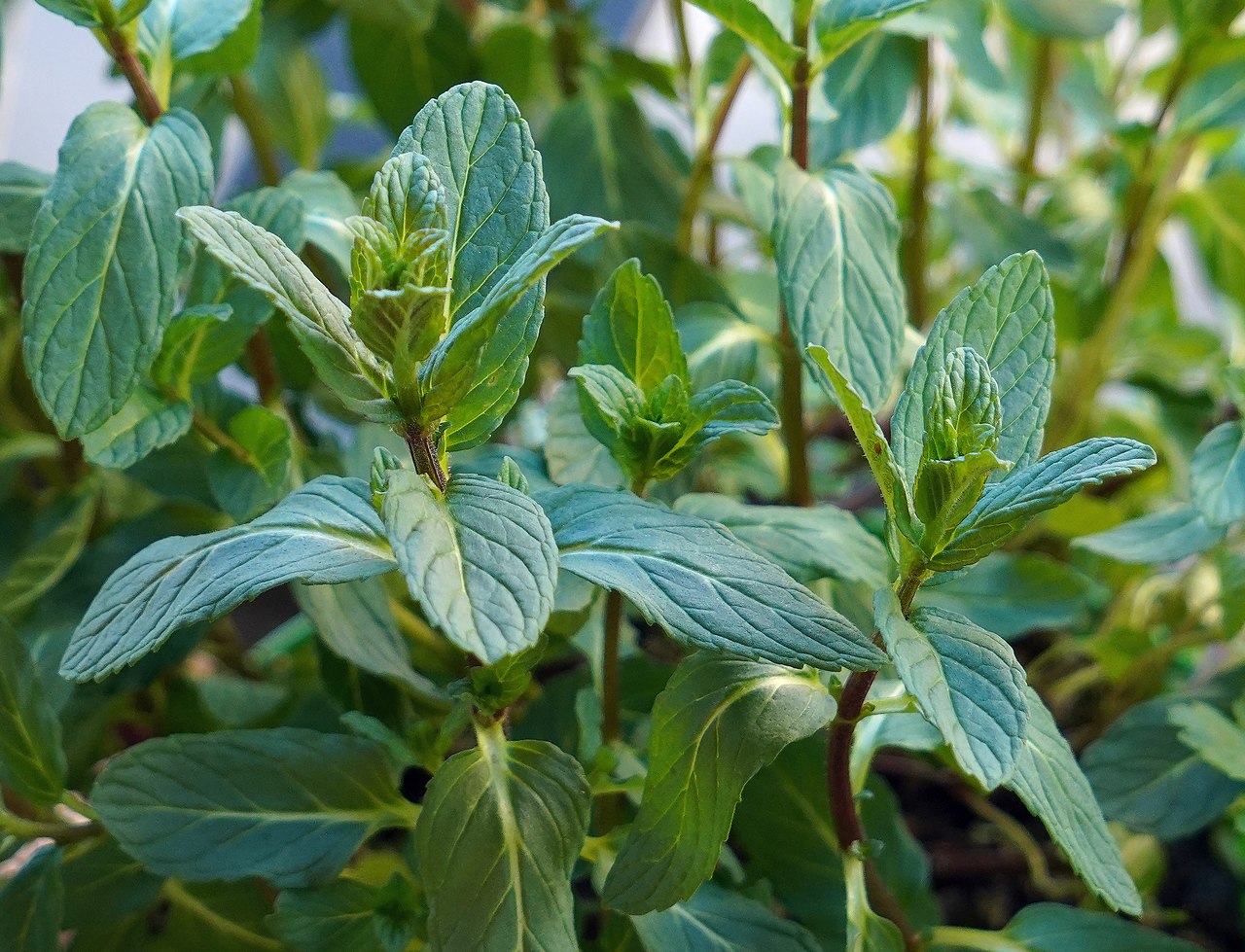
Mint leaves growing densely in a planter

How and Why to Plant Mint in the Garden

Edible garden notes for planters, patios and warm-climate kitchen gardens

How and Why to Plant Mint in the Garden

Mint is one of the easiest herbs to enjoy and one of the easiest herbs to regret if it is planted in the wrong place. The same vigor that makes it useful in the kitchen can let it spread far beyond the bed you had in mind.

If you want fragrance, quick harvests and a forgiving herb for patios or edible corners, mint is a strong choice. The key is to give it enough moisture and light while controlling where the roots can travel.

Mint leaves growing densely in a planter

People usually look up mint planting for one of four reasons: they want a reliable herb for daily cooking, they need a plant that smells fresh in a patio corner, they want something forgiving for a beginner edible garden, or they have already seen mint take over a border and want to avoid repeating that mistake. All four questions are really about management.

Mint rewards simple care. It produces new growth quickly, tolerates regular harvesting and recovers well from trimming. In a warm Mediterranean setting, however, roots can spread fast and containers can dry sooner than you expect. That is why mint works best when the planting plan is deliberate from the beginning.

Mint leaves growing densely in a planter

Why mint earns a place in the garden

Fast harvests

You can start pinching usable stems soon after planting, which makes mint feel rewarding even in a small space.

Flexible placement

Mint grows well in beds, raised planters and containers, so it fits both gardens and compact terraces.

Useful fragrance

The fresh scent makes mint a pleasant choice near seating areas, outdoor kitchens and paths used every day.

Forgiving growth

With water and light in balance, mint rebounds quickly after cutting and tolerates repeated harvest cycles.

How to plant mint without creating a future problem

  1. Choose the right container or boundary. Mint is safest in a pot, trough or raised bed with clear root control. Open soil works only when you accept that spreading stems will need constant watching.
  2. Use a moisture-retentive but free-draining mix. The roots like regular moisture, but they do not want to sit in stagnant water.
  3. Give it bright light with some protection from the harshest afternoon exposure. In very hot corners, leaves can scorch even when the plant survives.
  4. Plant at the same depth as the nursery pot. Press the mix gently around the root ball and water deeply after planting.
  5. Mulch lightly. A small mulch layer helps limit rapid evaporation in warm patios and raised beds.

7 practical mint care tips

  • Water consistently. Dry swings make the plant tougher and less lush.
  • Harvest often. Regular picking encourages bushier, fresher growth.
  • Cut flower stems early. This keeps energy focused on leaf production.
  • Divide crowded pots. If stems become woody or cramped, split and refresh the planting.
  • Feed lightly. Overfeeding can push soft growth that dries faster in heat.
  • Watch for root escape. Even pots placed on bare soil can send roots outward.
  • Refresh old growth. Hard shearing is not always necessary, but a regular trim keeps the plant clean and usable.

Where mint works best on this site

Mint suits kitchen-adjacent planters, morning-sun terraces, irrigated herb corners and compact edible gardens. It is less convincing in dry ornamental borders where irrigation is infrequent and root spread would compete with slower plants.

If you are also planning fruit trees, compare the spacing and root-room advice in our fig tree planting guide. The contrast is useful: figs need long-term structural space, while mint needs deliberate confinement.

Common mistakes with mint

Planting it directly into a mixed ornamental bed

Mint does not stay politely in one place for long. In a mixed border, that turns a useful herb into extra maintenance.

Letting containers dry out completely

A mint plant may recover from one dry spell, but repeated stress reduces leaf quality and encourages tired stems.

Treating mint as a low-attention plant after planting day

Mint is easy, not invisible. A little checking and trimming keeps it useful instead of messy.

Keep the planting notes simple

If you manage several planters or edible corners across one property, a short recurring checklist is usually enough: watering review, harvest cutback, root spread check and refresh date. Owners building internal records for maintenance tasks sometimes prefer a lightweight vibe coding platform instead of another spreadsheet, especially when several people need to see the same notes.

The short version

Plant mint for easy harvests and fresh fragrance, but control the root zone from day one. A container, steady moisture and regular cutting do most of the work. For broader garden planning, keep reading through our publications, browse the blog or contact us at [email protected].

Similar Posts