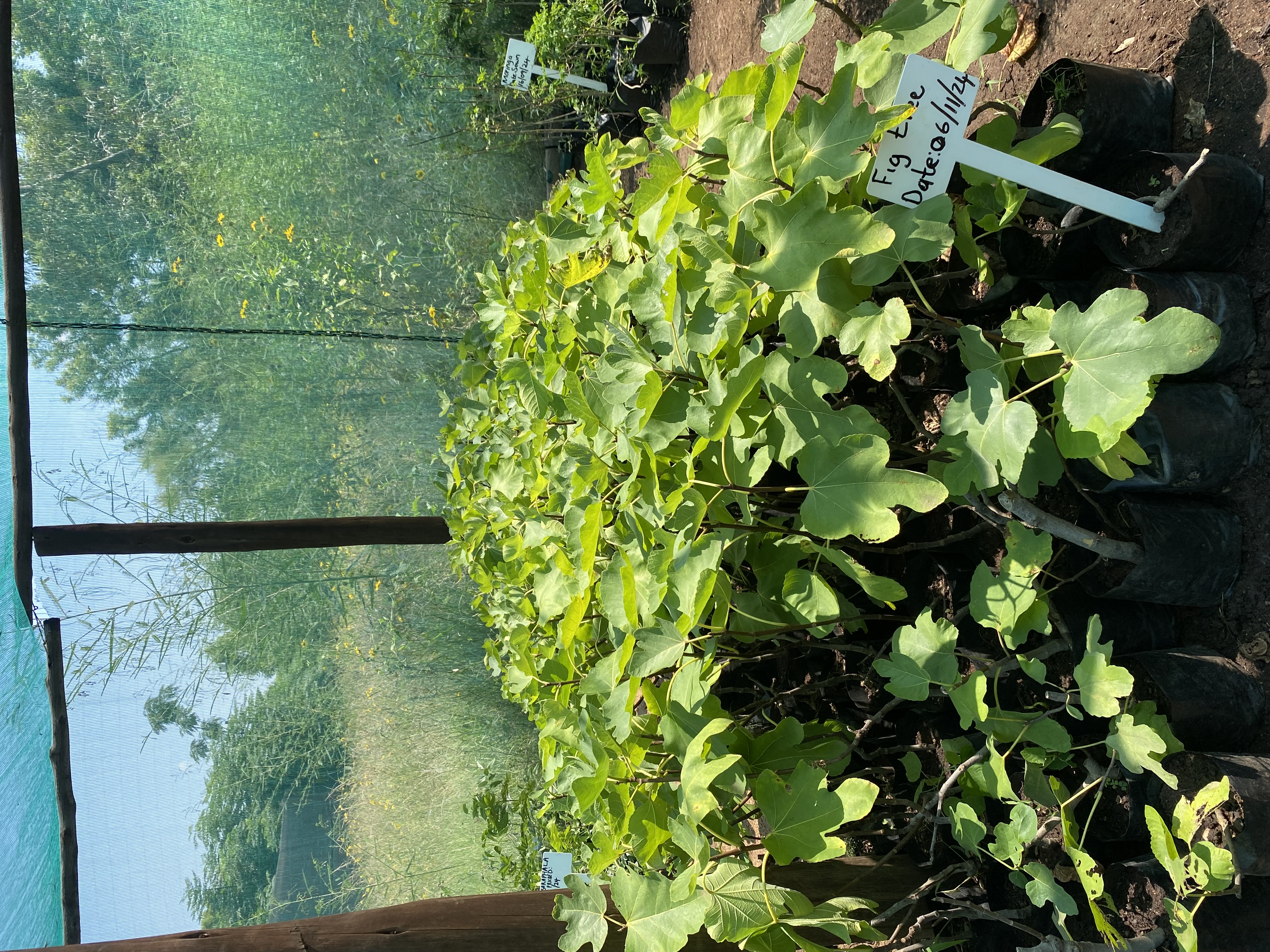
Planting a Fig Tree: Step-by-Step for a Healthy Start
If you are planting a fig tree for the first time, the good news is that figs are generous plants once their roots settle in; the part that needs the most care is the beginning.
Most readers arrive here with the same practical questions:
- Where should a fig tree go in a warm coastal garden?
- How much drainage is enough, especially near irrigation lines or heavy soil?
- Should you plant in the ground or start in a container first?
- What should you do in the first season so the tree gets a calm, healthy start?
I recommend treating planting day as a root-care job, not a fruiting shortcut. Drainage matters more than rich soil, and consistent early care matters more than aggressive feeding. If you are planning an edible corner alongside other warm-climate planting, you can browse more seasonal ideas in our publications or return to the home page for broader garden care guidance.
By the end of this guide, you will know what to expect from site selection, soil preparation, planting in the ground or in a pot, early watering, light feeding, pruning basics, and first-season checks. The goal is simple: help your fig tree establish strong roots without creating stress you then have to undo.
Quick Planting Snapshot
| Decision | Best choice for most gardens | Why it helps |
|---|---|---|
| Sun | 6 to 8 hours of direct light | Supports sturdy growth and better ripening later on |
| Soil | Well-draining, loose enough for roots to spread | Reduces the risk of root stress and standing water |
| Wind exposure | Sheltered from harsh gusts while young | Prevents rocking, root disturbance, and leaf scorch |
| Mulch | Wide ring, trunk kept clear | Helps retain moisture and moderates soil temperature |
| Watering style | Deep and spaced out, never constant saturation | Encourages roots to move outward and downward |
Where to Plant: Sun, Wind, and Root Space
Fig trees usually do best in a bright, open position where they can receive long hours of sun. In warm coastal gardens, morning and midday light are especially valuable because they help the canopy dry quickly after humidity, mist, or overhead irrigation. A fig can tolerate summer heat better than soggy roots, but a newly planted tree still benefits from a calm, protected start.
Choose a place with enough room for the tree to spread without pushing directly into walls, narrow paving edges, drains, or pool surrounds. Even when the top growth is still modest, the root system wants breathing room. If you are planting near a terrace or courtyard, think ahead rather than only looking at the size of the nursery pot.
Wind is easy to underestimate. A young fig that keeps rocking in the soil can struggle to establish fine feeder roots. If your garden has exposed corners, use a more sheltered position, temporary wind protection, or a well-placed stake for the first season. Do not tie the trunk tightly; it should be supported, not restrained.
Two common examples:
- A sunny border with free-draining soil is often a stronger long-term choice than a low pocket that stays damp after irrigation.
- A large terrace pot can work well if the spot gets full sun and the container drains quickly after each watering.
Soil and Drainage: What Figs Tolerate and What They Don’t
Figs are adaptable, but they are not indifferent. They can cope with average soil better than many fruit trees, yet they dislike roots sitting in compacted, waterlogged ground. If the planting hole holds water after rain or irrigation, solve that problem before the tree goes in.
A slightly acidic to neutral soil is usually comfortable for figs, but in practical garden terms, structure matters more than chasing a perfect number. You are aiming for soil that drains, holds some moisture, and does not collapse into a dense, airless mass. If your soil is heavy, blend in organic matter and loosen a broader area around the hole rather than creating a narrow pocket of amended soil surrounded by hard clay.
What figs usually tolerate reasonably well:
- Average garden soil with decent drainage
- Warm reflected heat once established
- Dryer intervals between deep waterings
What they usually do not appreciate:
- Planting holes that become water bowls
- Constant shallow irrigation from nearby lawn or bedding zones
- Thick mulch pressed directly against the trunk
- Overfeeding right after planting
If you are unsure about drainage, fill the prepared hole with water and watch how quickly it clears. Slow drainage does not always mean you cannot plant a fig there, but it does mean you should adjust the site, raise the planting area slightly, or switch to a container plan.
Useful Terms Before You Start
A few simple terms make planting decisions easier:
- Root ball: the mass of roots and soil that comes out of the nursery container.
- Drainage: how quickly excess water can move away from the roots.
- Mulch ring: a broad layer of organic material placed over the soil to conserve moisture and reduce weeds.
- Establishment: the first phase when the tree is building roots into the surrounding soil or potting mix.
- Suckers: extra shoots that grow from the base and compete with the main framework.
These are small words for a simple reason: they help you notice what the tree needs next. If something goes wrong, the question is usually not “What product should I buy?” but “Is the problem light, water, space, drainage, or structure?” Starting there prevents a lot of expensive guesswork.
Planting Steps for the Ground
Planting a fig tree in the ground is straightforward when you work in order and do not rush the root ball.
- Start with a healthy young tree. Look for a sapling with steady green growth, no split trunk, and roots that are firm rather than sour-smelling or blackened.
- Water the nursery pot first. A slightly moist root ball slides out more cleanly and reduces breakage.
- Dig a hole about twice as wide as the root ball, but not much deeper. Width matters because it gives new roots an easier path outward.
- Loosen compacted sides of the hole. Smooth, glazed sides can act like a container in heavy soil.
- Check root circling. If roots are wrapping tightly around the base, tease them gently outward or trim the most severe loops.
- Set the tree at the same soil level it had in the pot. Do not bury the trunk deeper to make the tree feel more secure.
- Backfill with the site soil. Light amendment is fine, but avoid building an overly rich pocket that encourages roots to stay put.
- Water deeply to settle the soil. This removes air gaps and helps the root ball make contact with the surrounding ground.
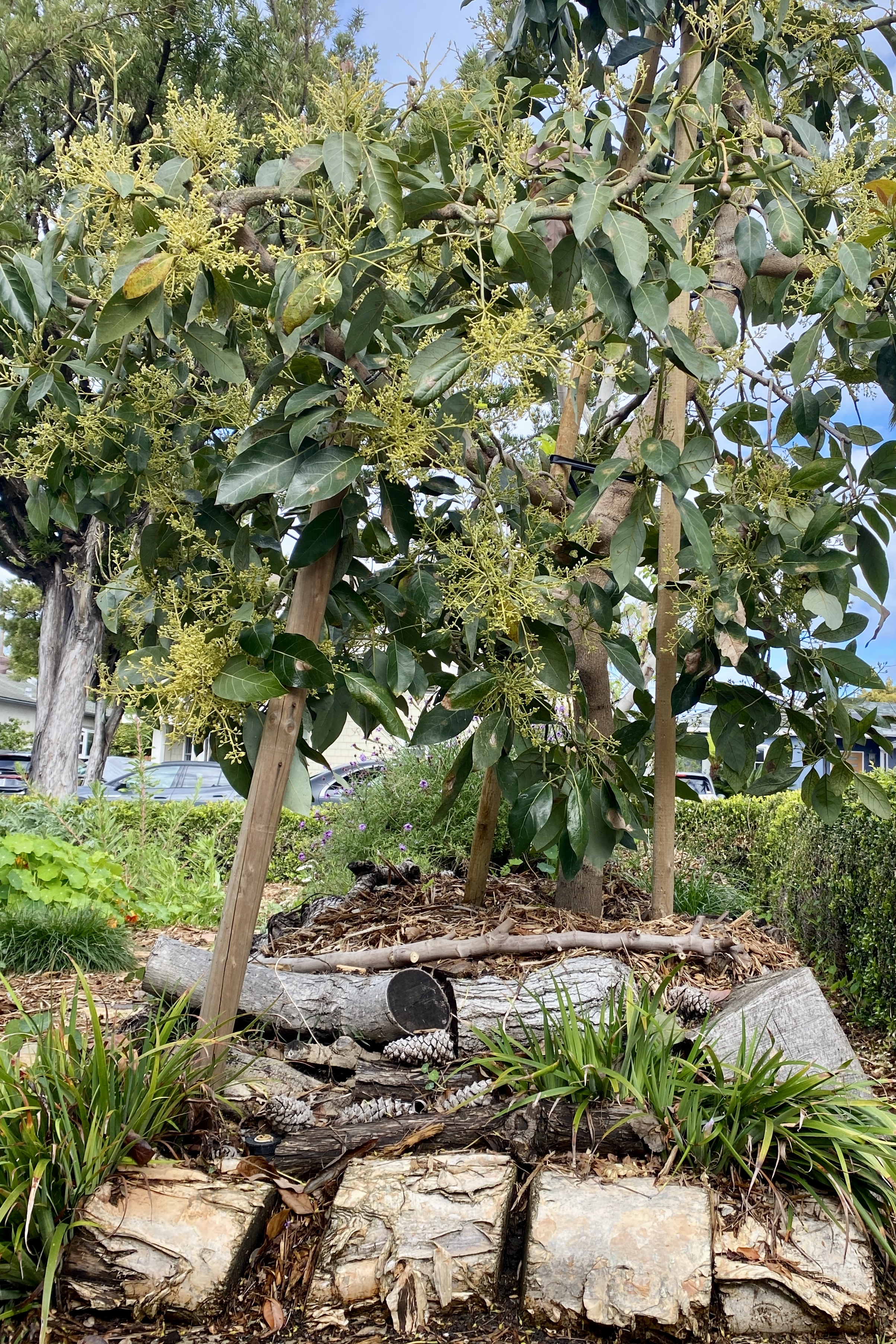
- Add a mulch ring. Keep mulch several centimeters away from the trunk so moisture does not sit against the bark.
If the tree feels unstable after watering, stake it lightly and remove the support when the root system has anchored. A stake is a short-term tool, not a permanent accessory.
Two Planting Examples That Keep Things Practical
Sometimes the easiest way to lower planting anxiety is to picture a real setup rather than an ideal one.
Example 1: A fig tree in a warm border near a wall. The spot gets sun from late morning through the afternoon, but the soil is a little heavy. In that case, widen the preparation area, loosen the soil beyond the planting hole, keep irrigation from nearby ornamentals from soaking the trunk zone, and mulch broadly to reduce sudden drying at the surface.
Example 2: A fig tree on a bright terrace in a large pot. The container drains well, but wind and reflected heat increase water loss. Here, the main job is not planting depth. It is routine checking. You may need to water more often than an in-ground tree, rotate the pot for even growth, and refresh the composted top layer once the mix begins to settle.
Neither example is dramatic, and that is the point. Healthy establishment usually comes from ordinary, repeatable care rather than clever tricks.
Container Planting: When a Pot Is the Better Choice
A container is often the better option when drainage in the ground is unreliable, root space is limited, or you want more control in the early stages. This is especially useful for patios, terraces, or gardens where planting beds are small and paved edges dominate the layout.
- Choose a large pot with generous drainage holes. A fig in a tiny decorative container becomes a watering problem very quickly.
- Use a free-draining mix. A blend for fruit trees or Mediterranean container planting is usually a sensible base.
- Raise the pot slightly off the ground if needed. Pot feet or spacers help stop water collecting underneath.
- Plant at the same depth as the nursery pot. This rule stays the same whether you plant in soil or in a container.
- Water until the excess runs through. Then wait until the top layer starts to dry before watering again.
Container-grown figs need more regular checks than in-ground trees because potting mix dries faster in wind and heat. The tradeoff is control: you can manage drainage, placement, and feeding more precisely.
Watering During Establishment
The first season is where many new fig trees either settle well or begin to struggle quietly. The usual mistake is not underwatering. It is watering too often without checking the soil first. Deep watering followed by a short drying period is usually healthier than keeping the soil constantly wet.
After planting, water thoroughly so the root ball and surrounding soil are evenly moist. Then monitor the soil a few centimeters below the surface. If it still feels cool and damp, wait. If it is drying and the tree is still establishing, water deeply again. In warm, breezy weather, container plants will need attention sooner than trees in the ground.
A simple rhythm many gardeners find useful:
- Check moisture before you water, not after you worry.
- Water the whole root zone, not just the trunk area.
- Adjust for heat, wind, and container size rather than following a rigid calendar.
If leaves droop in summer, do not assume the tree needs more water immediately. Feel the soil first. Leaves can droop from heat stress, transplant adjustment, or saturated roots just as easily as from dryness.
What the First Season Often Looks Like
Gardeners often worry when a new fig does not seem to “take off” immediately. That concern is understandable, especially if the leaves pause or the top growth seems slower than expected. In many cases, the tree is doing exactly what it should be doing: building a stable root system first.
A simple timeline can help:
- Week 1 to 2: focus on settling the soil, checking moisture, and making sure the tree has not sunk too deep after watering.
- Week 3 to 6: watch for signs of stress from wind, irrigation mistakes, or heat reflected from nearby paving.
- Month 2 to 4: maintain a steady watering rhythm, remove weeds, and keep the mulch ring neat and open around the trunk.
- Late winter: review the branch structure and make only the pruning cuts that improve shape and remove damage.
If growth feels slow but the leaves are healthy, the stems are firm, and the soil conditions are stable, slow is not a failure. It is usually a sign that the tree is adjusting at a sensible pace.
Feeding and Composting Approach
Newly planted figs do not need heavy feeding. They need stable soil conditions and enough nutrition to build roots and balanced top growth. Too much fertilizer early on can push soft, fast shoots before the tree is ready to support them.
I prefer a measured approach:
- Mix compost into the surrounding soil if the site is poor or compacted.
- Use a balanced fertilizer lightly during the active growing season if growth looks weak.
- Avoid repeated high-nitrogen feeds that create lush leaves but unstable structure.
If your mulch layer is topped up with compost once or twice during the season, you may not need much more. Think of feeding as support, not pressure. A tree that grows steadily is easier to manage than a tree that surges and stalls.
If you keep a simple planting journal or maintenance checklist for your garden, this https://flatlogic.com/build/ai-content-generator-app?utm_source=jardineromarbella.com resource can be a useful way to structure recurring notes and reminders.
Pruning Basics for Structure and Fruiting
The first pruning goal is structure, not intensity. You are trying to build a shape that gets light and air through the canopy while keeping the framework easy to manage later. Late winter is usually the safest moment for more deliberate structural pruning.
In the first season, focus on simple corrections:
- Remove broken or clearly damaged growth.
- Cut out rubbing branches before they create wounds.
- Keep a few well-placed main branches rather than too many weak competitors.
Do not turn first-year pruning into a dramatic makeover. A young fig still needs leaf area to build strength. If the shape is slightly imperfect but the tree is healthy and stable, patience is usually the better choice.
Once the tree matures, thinning the center lightly can improve airflow and make inspection easier. Clean tools and restrained cuts will usually take you further than aggressive shaping.
How to Manage Common Issues: Suckers, Pests, and Small Warnings
Young fig trees are not usually complicated, but they do reward observation. Several minor problems become annoying only when they are ignored for too long.
Suckers from the base
Suckers pull energy away from the main framework. Remove them while they are small so you do not leave large wounds later.
Aphids or soft-bodied pests
Check tender new growth and the undersides of leaves. A light early problem is much easier to manage than a sticky, crowded colony. Encourage airflow and avoid overfeeding, which often creates soft growth pests enjoy.
Leaf scorch or wind stress
If the planting site is extremely exposed, young leaves may show stress before the roots are fully established. Temporary shade during extreme heat or better wind shelter can help more than extra fertilizer.
Overwatering confusion
This is the one worth repeating. Yellowing leaves do not always mean thirst. If the soil stays wet, pause and reassess drainage before adding more water.
Small Mistakes That Cause Big Delays
Most fig-tree setbacks in warm gardens are not dramatic diseases. They are early setup mistakes that keep repeating quietly.
- Planting too deep: this keeps the trunk base too damp and slows the tree down.
- Making the hole deep but narrow: roots need width more than a shaft-like planting pit.
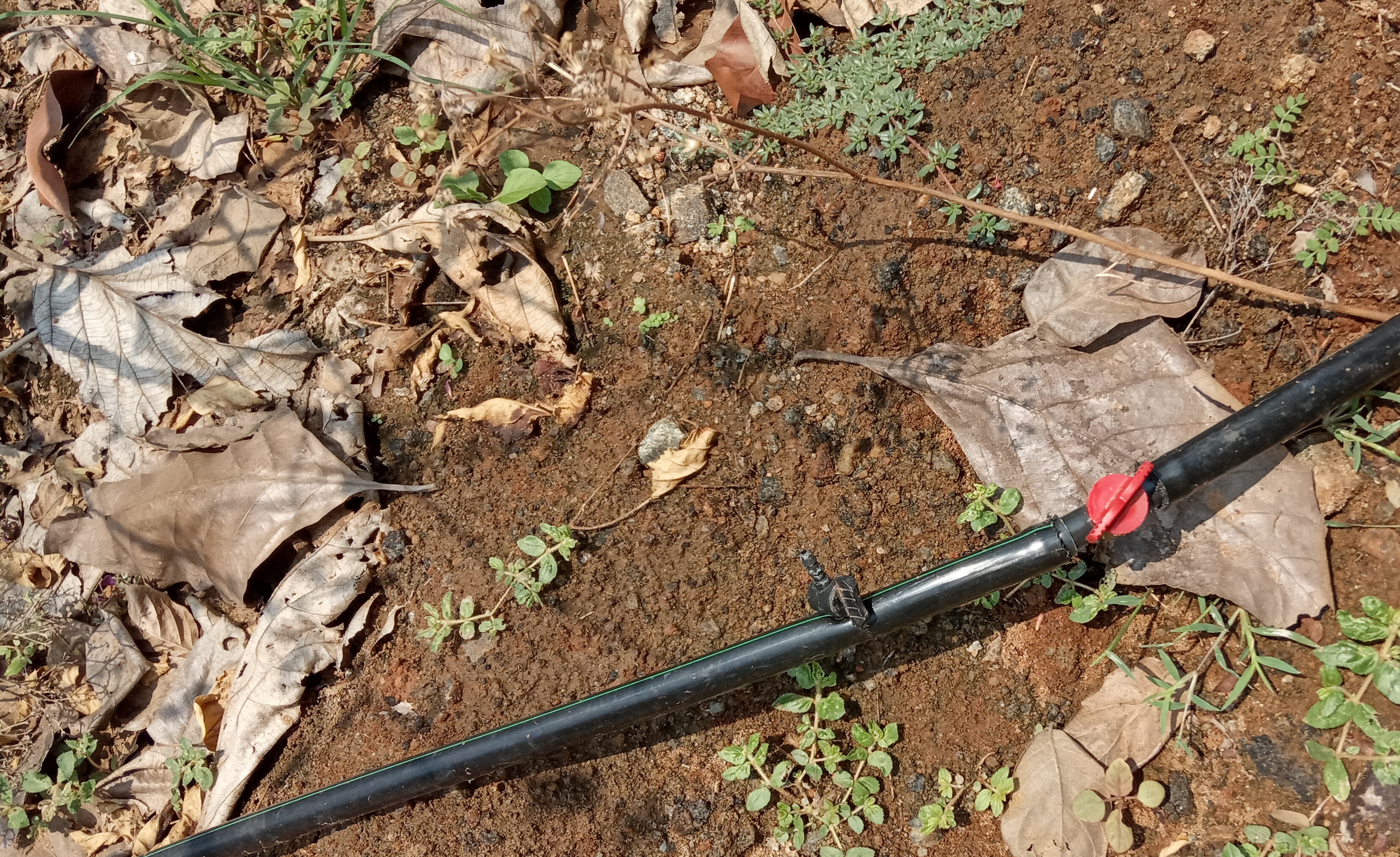
- Using automatic irrigation without adjustment: frequent shallow water is not the same as deliberate establishment watering.
- Mulching against the bark: the trunk base should stay open and airy.
- Feeding because growth looks modest: modest early growth is often normal, while overfeeding creates new problems.
When something looks off, go back through these basics first. That slow, methodical review is usually more useful than reaching for a treatment before you know the cause.
First-Season Care Checklist
If you want a calm, repeatable routine, use this checklist:
- Check soil moisture before each watering.
- Keep the mulch ring wide and the trunk base clear.
- Remove weeds that compete directly over the root zone.
- Watch for circling ties or supports that begin to rub the bark.
- Trim off suckers while they are still small.
- Look at the tree after windy days, not just after watering days.
- Feed lightly only if the tree needs support, not because the calendar says so.
- Plan light structural pruning for late winter rather than making reactive cuts in every season.
A steady first year often looks quiet from the outside. That is normal. Root establishment is useful work, even when it is not dramatic work.
When You Want a Second Opinion
If your site has awkward drainage, heavy exposure, or limited planting space, gather a few details before you reach out: how many hours of sun the spot gets, how long the soil stays damp after watering, whether the tree is in the ground or a pot, and what symptoms you are seeing. That makes it much easier to give practical guidance. If you want help thinking through placement, irrigation, or first-season maintenance, you can contact us through our contact page.
Key Points to Remember
- Give figs full sun, drainage, and enough root space from the start.
- Plant at the original nursery depth; deeper is not safer.
- Water deeply, then let the soil begin to dry before watering again.
- Feed lightly and avoid forcing fast, soft growth.
- Use the first season to build stability, not to chase quick results.