Hügelkultur Beds: When They Work (and When They Don’t) for Backyard Gardens
If hügelkultur has caught your attention because it promises healthier soil and fewer watering headaches, the useful question is not whether it is trendy. The useful question is whether it fits your space, your climate, and the way you actually garden.
Many readers arrive with the same concerns: What is hidden inside a hügelkultur bed? Will it really help in a dry Mediterranean garden? Could it create drainage or settling problems instead of solving them? Those are sensible questions, and they deserve a practical answer rather than a miracle story.
Hügelkultur can be a thoughtful way to recycle woody prunings, build soil life, and create a productive raised bed. It can also be frustrating when the mound is too steep, the topsoil layer is too shallow, or the bed is built for a cool rainy climate and then expected to behave the same way in coastal heat and wind.
In this guide, you will find a clear definition, the main advantages, the real limitations, the best use cases for coastal gardens, a safe materials checklist, simple build steps, and a few alternatives if a classic raised bed would serve you better.
What to expect
A hügelkultur bed usually changes year by year. The first season is often about settling, root establishment, mulch management, and learning how the bed dries or drains in your garden.
Best fit
It is most useful when you have space, clean woody material, and the patience to treat the bed as a managed soil-building project rather than a one-time shortcut.
Main caution
Do not build one just because you heard it “saves water.” Water behaviour depends on wood type, mound shape, irrigation, mulch depth, and local exposure.
What is hügelkultur?
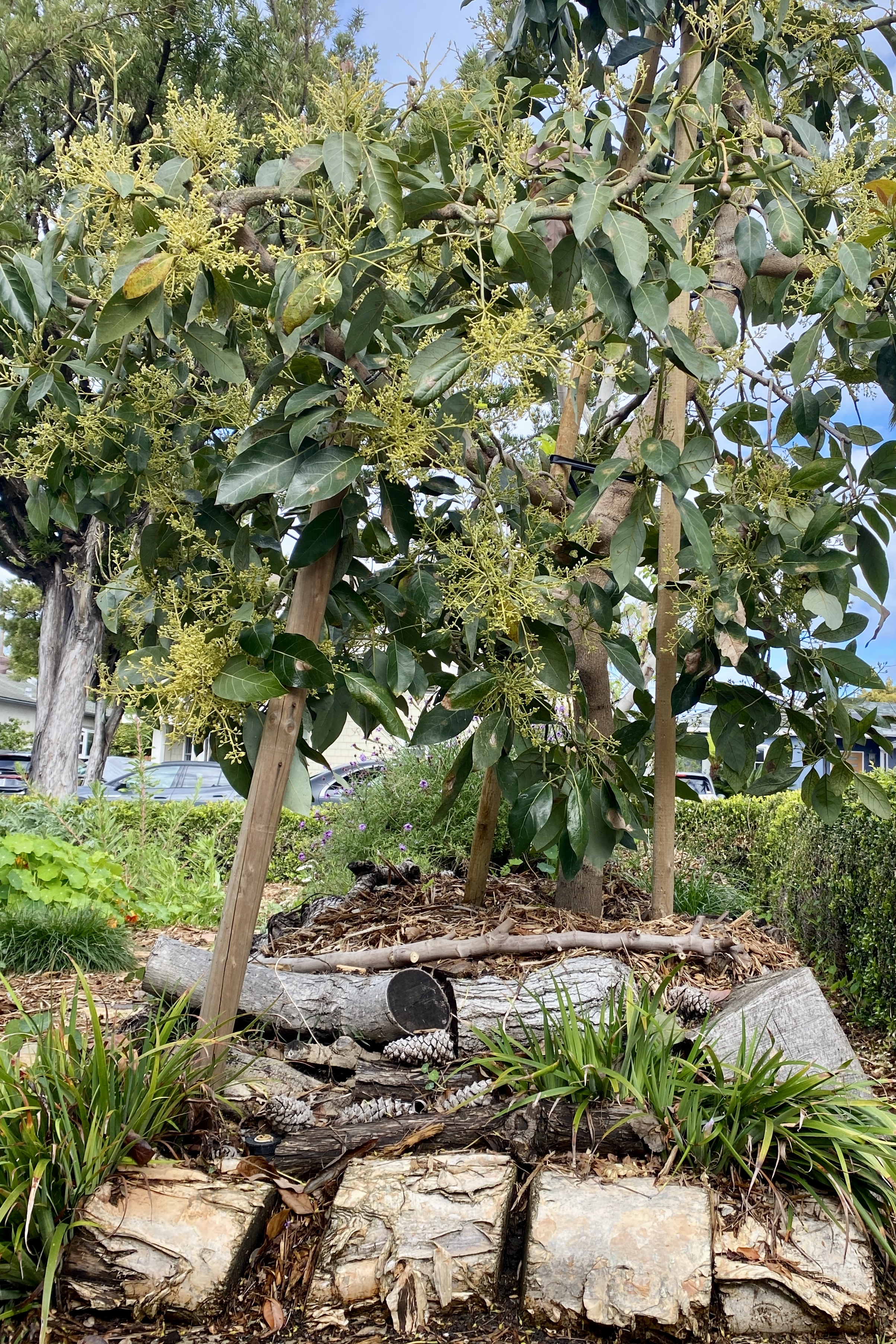
Hügelkultur is a raised-bed method that layers logs, branches, smaller sticks, leaves, compostable organic matter, soil, and mulch into one growing mound or bed. As the buried woody material breaks down, it changes the internal structure of the bed. That slow decomposition can improve biological activity, create air pockets, and support longer-term soil building.
In simple terms, it is a way to turn wood and garden debris into the foundation of a planting area. Historically, gardeners have used versions of this idea to make use of on-site materials and build fertile growing space without relying only on imported soil.
The definition matters because hügelkultur is not just “a raised bed with logs in it.” A good build includes enough finished growing medium above the woody core, stable edges, and a plan for what happens as the materials settle.
Why gardeners like it
- Moisture buffering: some beds hold moisture more evenly once the system is established, especially when wood, compost, and mulch are balanced well.
- Soil life: decomposing organic layers can encourage fungal activity, earthworms, and a looser soil structure over time.
- Resource efficiency: pruning waste, branches, and other clean woody material can stay on site instead of being hauled away.
- Depth for roots: a well-built raised form gives vegetables, herbs, and mixed planting areas a deeper root zone than compacted ground often allows.
- Long-term fertility: the bed can become richer as the internal materials continue breaking down.
For example, a sheltered backyard that produces citrus prunings, olive trimmings, or storm-fallen branches every year may have enough material to build one bed well instead of spreading debris thinly across the whole garden. In that situation, hügelkultur can feel practical and tidy at the same time.
Where the method can disappoint
Warm, coastal gardens bring a different set of pressures than cool inland gardens. Afternoon heat, salt-laden wind, strong sun, and long dry periods can make the upper surface of a mound dry out more quickly than expected. If the sides are too steep, water may run off instead of soaking in. If the bed sits in a low spot, the woody core may stay too wet through rainy periods.
The first year can also be awkward. Fresh wood takes time to integrate into the system. The bed may settle noticeably, and hungry annual crops can struggle if the top growing layer is thin or low in finished compost.
Hügelkultur works best when you accept that the early phase is active management, not autopilot.
Hügelkultur vs. a traditional raised bed
| Question | Hügelkultur bed | Traditional raised bed |
|---|---|---|
| Uses on-site woody waste? | Yes, often a major advantage. | Usually less so, unless mulch is added separately. |
| Predictable first-season performance? | Less predictable while the bed settles. | Usually easier to control from day one. |
| Best for small patios or tight spaces? | Not usually. | Yes, especially in framed beds or containers. |
| Needs monitoring for settling? | Yes. | Much less. |
| Best for formal, neat layouts? | Only if shaped and edged carefully. | Usually the simpler choice. |
If your priority is a tidy kitchen-garden layout with easy irrigation lines and consistent crop spacing, a classic raised bed often wins. If your priority is long-term soil building with materials you already have, hügelkultur can be worth the extra complexity.
Best use cases in coastal and Mediterranean gardens
In a coastal setting, hügelkultur tends to perform best where the bed is partly sheltered, the shape is broad rather than sharply peaked, and mulch is treated as essential rather than optional. It can be especially useful in these situations:
- Backyards with regular pruning waste: if woody material accumulates each season, a single bed can turn that waste into a productive zone.
- Gardens with tired, compacted soil: a raised build can improve root conditions without excavating a large area.
- Mixed edible beds: herbs, flowers, and moderate-feeding crops often adapt more easily than very thirsty annuals in the first season.
- Sheltered educational or family gardens: the layered structure makes the bed useful for teaching how soil and decomposition work.
A practical example would be a backyard near the coast with a sunny winter season, a little afternoon wind, and a steady supply of branch trimmings. In that case, a low, wide hügelkultur bed planted with herbs, flowers, and a few seasonal vegetables can work well if irrigation is adjusted carefully and the surface stays mulched.
A poor fit would be a very small patio, a highly formal courtyard, or a site where winter rain already pools in the soil. In those cases, the method can create more management than benefit.
Materials checklist and build considerations
Before you begin, sort materials by size and condition. Clean, untreated natural wood is the safest starting point. Avoid painted, treated, contaminated, or obviously diseased material.
- Larger logs or thick branches for the base
- Smaller sticks and branch offcuts to fill gaps
- Leaves, plant debris, or aged green waste
- Finished compost or mature organic matter
- Good-quality topsoil or raised-bed mix
- Organic mulch such as bark, leaves, or straw suited to your site
- A hose or irrigation line for deep watering during setup
- Gloves and sensible lifting help for heavy wood
Keep the build safe and manageable. Large logs are heavy. If a piece is awkward, unstable, or likely to roll, it needs repositioning before you continue. This is not a project to rush at the end of a hot afternoon.
Simple build sequence
- Choose a level or gently sloped site where you can observe drainage after watering.
- Lay the thickest wood at the bottom in a stable arrangement.
- Fill major gaps with smaller branches so the mound is not full of empty pockets.
- Add softer organic material to create a transition above the wood.
- Cap generously with soil and compost so young roots begin in a real growing medium.
- Water the bed thoroughly during the build.
- Mulch the finished surface and the sides.
If you are documenting a school garden or a community growing project and want a simple way to organise build notes, care instructions, or seasonal lessons, this education app builder is a useful resource for structuring that information digitally.
Maintenance after building
Most of the success comes after the build day. The first months tell you how the bed behaves in your own conditions.
Mulch regularly
Mulch protects the surface from rapid drying and reduces splash erosion after watering.
Top up the cap layer
If the bed settles, add more soil-compost mix rather than leaving roots exposed.
Watch irrigation
Do not assume the mound needs less water from day one. Check by touch and depth, not by wishful thinking.
Monitor edges
Bare sides, slipping mulch, and exposed wood are signs that the shape needs correction.
It also helps to track seasonal changes. If you want broader seasonal context, our gardening news updates and publications are good places to continue reading.
Alternatives if hügelkultur is not the right fit
You are not failing the idea if you decide against it. Sometimes the best gardening choice is simply the one you will maintain well.
- Framed raised beds: easier to irrigate, easier to fill evenly, and simpler for compact spaces.
- Container growing: especially useful on patios, rooftops, and small coastal gardens where drainage and mobility matter.
- Sheet mulching and compost top-dressing: a lower-profile method for improving soil without building a mound.
- Conventional in-ground beds: often the cleanest choice when your soil is already workable and space is limited.
If you are still comparing approaches, the home page offers a wider view of garden care priorities across the site.
Bottom line
Hügelkultur beds can work beautifully in a backyard garden, including Mediterranean conditions, but only when the build matches the site. If you have room, woody material to reuse, and the patience to monitor the first seasons, the method can reward you with healthier soil and a more resilient planting bed. If you need predictability, crisp structure, or tight control in a small space, a traditional raised bed is usually the calmer next step.
That is often the most reassuring conclusion: you do not need the most dramatic solution, only the one that makes sense for your garden.