About Us: Our Approach to Garden and Pool Maintenance on the Costa del Sol
A reliable garden and pool service is not built on drama. It is built on routine, clear priorities, and the discipline to fix small problems before they become expensive ones.
If you have ever wondered how a maintenance team decides what to touch first, what gets checked on the first visit, or how the work stays consistent over time, this article lays it out plainly. That matters because the basics are the basics for a reason. The CDC Healthy Swimming guidance keeps the focus on prevention and safe circulation, while the EPA’s Irrigation with a Pro page makes the same point for water use outdoors: good systems do better when they are checked by people who know what to look for.
At Jardinería Marbella, the goal is simple: keep gardens healthy, keep pool areas clean, and keep communication clear so clients know what is happening and why. If you want the broader service context, the homepage and Publications page are the right starting points. The work is practical. The language should be too.
| What we look at | Why it matters | What the client usually notices |
|---|---|---|
| Plant health, pruning needs, weeds, and irrigation coverage | These are the early signals that show whether the garden is stable or slipping | Cleaner beds, better shape, fewer surprise repairs |
| Pool water clarity, baskets, filters, pumps, and visible leaks | Small circulation problems tend to become bigger service calls if nobody checks them | More predictable water quality and less equipment noise |
| Access notes, timing, and client priorities | A good maintenance plan is also an operating plan | Fewer delays and less back-and-forth |
Who We Are and What We Focus On
Jardinería Marbella exists to keep outdoor spaces working the way they should: tidy, healthy, and easy to maintain. That sounds obvious until a garden or pool has been left to improvise for a few months. Then everything becomes a cleanup project. We prefer a calmer business model.
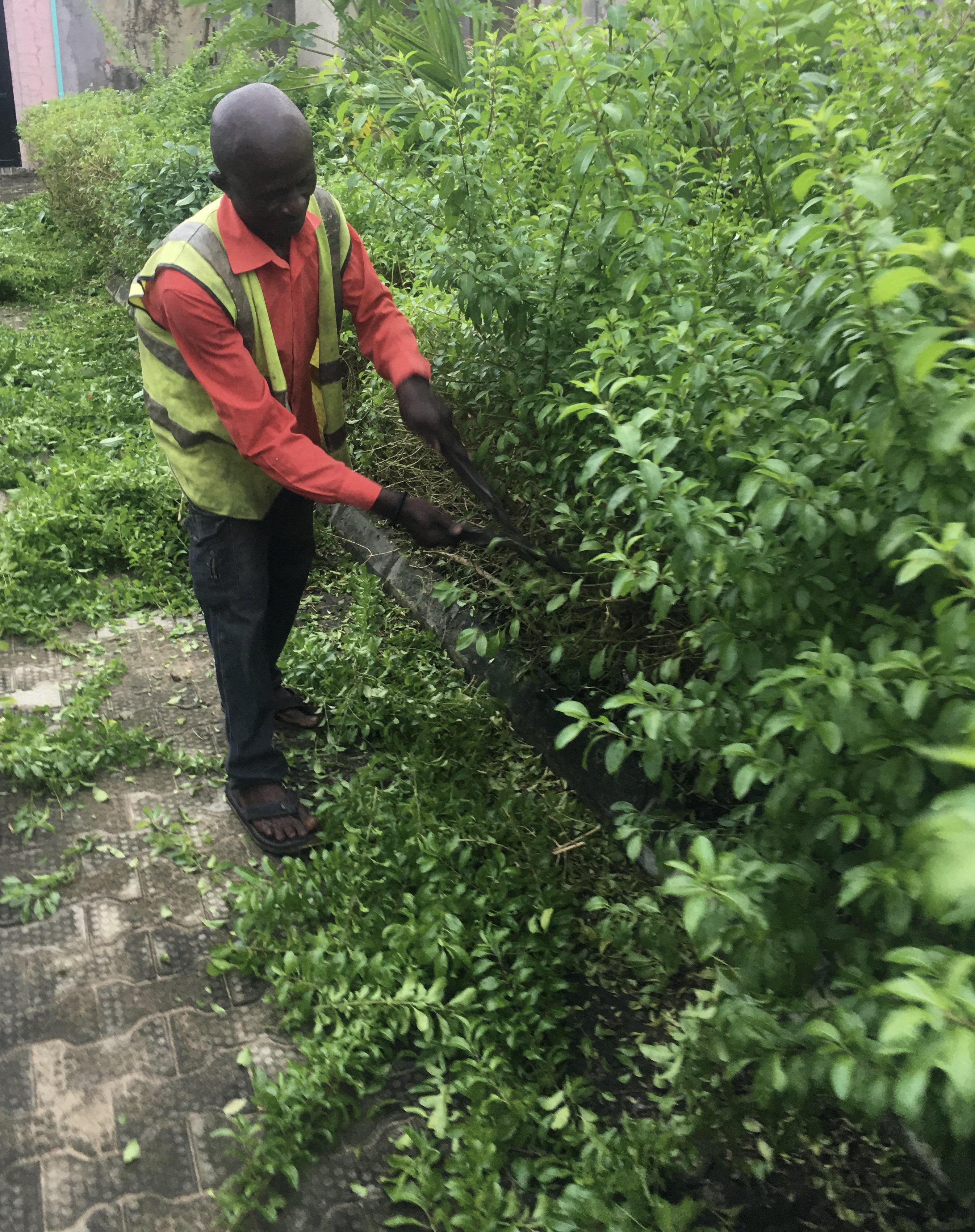
Our focus is on the parts of maintenance that actually change the result. That means pruning when the plant needs it, not when the calendar looks convenient. It means cleaning before debris blocks circulation. It means watching the pattern of a garden or pool over time, not just reacting to whatever looks worst on the day of the visit.
There is a practical reason this approach works. The RHS explains pruning as selective removal done to support better growth, and its guide to pruning shrubs is a useful reminder that timing and plant type matter. The same logic applies to maintenance more broadly: choose the smallest effective intervention, then do it cleanly.
We also think in service areas, not in vanity language. The site has to work for owners who need garden and pool care in Marbella, Estepona, Sotogrande, Málaga, and nearby Costa del Sol properties. That is a working region, not a slogan. If you want to see how that service structure is presented to visitors, the Publications page is the better place to look than a menu full of promises.
How We Assess a Garden or Pool on the First Visit
The first visit is where the real work begins. Not with tools, but with observation. We look at the condition of the space, the obvious pressure points, and the small things that reveal a bigger pattern. A garden does not usually announce its problems in a neat list. A pool rarely does either. That would be too helpful.
Assessment is a practical sequence:
- Look at the space as a whole, not one feature at a time.
- Identify anything that threatens plant health, cleanliness, or safe access.
- Separate urgent issues from items that should be handled next time.
- Match the plan to the client’s priorities and budget reality.
For gardens, that usually means checking growth pattern, irrigation coverage, pruning load, soil condition, weeds, and signs of stress. For pools, it means looking at circulation, filtration, skimmer behavior, water clarity, and visible wear around the equipment area. The EPA’s WaterSense labeled controllers guidance is a good reminder that water efficiency and good scheduling go together. Guesswork is not a watering plan.
We also listen to the client. What bothers one owner may be a secondary issue for another. Some want a low-maintenance result above all. Others want a sharper visual finish. Others care most about keeping irrigation and pool equipment stable because surprise repairs are where the day goes to die. That part is not glamorous, but it is decisive.
Our Maintenance Philosophy: Prevention, Cleanliness, and Plant Health
Our philosophy is straightforward. Prevention is cheaper than correction. Cleanliness is not decoration. It is part of plant health, equipment life, and client confidence. If the maintenance routine is sloppy, the results usually become expensive in one way or another.
Prevention means cutting, cleaning, and adjusting before the space becomes hard to manage. It means seeing the early signs: a shrub starting to close in on a path, a patch of turf thinning where irrigation misses, a pump that sounds slightly rough, or a skimmer basket filling too quickly. Problems are easier to manage when they are still boring.
Cleanliness means we leave the space looking maintained, not just touched. Beds should not be littered with cuttings. Pool areas should not be left with debris scattered around the equipment. A service visit should improve the site immediately, even before the next cycle begins.
Plant health means respecting the biology of the garden instead of forcing one-size-fits-all treatment. Different shrubs, hedges, palms, lawn areas, and seasonal plants need different handling. The RHS pruning advice is helpful here because it keeps the focus on plant type and timing rather than guesswork. Good maintenance is specific. Generic pruning is how people create new work for themselves.
That principle also applies to irrigation. The EPA’s Irrigation with a Pro guidance is useful because it treats irrigation as a system that should be designed, maintained, and audited with care. In practice, that means checking coverage, looking for waste, and adjusting to the site instead of forcing the site to accept the schedule.
We do not try to win points for doing the most. We try to do the right work in the right order. That is how maintenance becomes dependable instead of theatrical.
How We Communicate with Clients
Maintenance work gets better when the communication is plain. We keep the conversation focused on three things: what we saw, what we changed, and what should happen next. That sounds almost too simple, which is usually a sign it should have been done that way from the start.
We aim to communicate in a way that reduces friction:
- We explain the main condition of the site after the visit.
- We flag anything urgent before it turns into a routine surprise.
- We keep recommendations practical and tied to the site, not to a generic template.
- We invite feedback if the client wants the maintenance plan adjusted.
That matters because clients are not buying maintenance theory. They are buying clarity, consistency, and a service that respects their time. If a change is recommended, we say why. If a task can wait, we say that too. Honest prioritization saves everyone from unnecessary work.
We also prefer communication that supports continuity. If a garden has a recurring pruning issue, or a pool system keeps showing the same warning sign, the note should stay visible across visits. The EPA’s irrigation guidance for professionals makes the broader point well: better systems improve when the people maintaining them can read the pattern, not just the individual symptom.
How We Prioritize When the Site Needs Too Much at Once
Some properties are easy to read. Others arrive with three priorities and a fourth problem hiding behind a hedge. When that happens, the useful question is not “what can we do?” It is “what should be done first so the next step becomes easier?” That is the difference between maintenance and firefighting.
We usually sort the work into three tiers:
| Priority | What it means | Example decision |
|---|---|---|
| Now | Anything that affects plant survival, safe access, or equipment function | Repair a leaking irrigation line, clear a blocked skimmer, or remove broken material that creates risk |
| Soon | Work that is not urgent today but will get harder if it is ignored | Reduce a hedge before it shades the bed, rebalance a watering pattern, or clean a filter before flow becomes weak |
| Plan | Improvements that should be scheduled rather than improvised | Choose a better pruning cycle, set a seasonal service rhythm, or review equipment access for future visits |
That structure keeps the visit calm. It also keeps the budget honest. If a client wants a property to look good all season, the answer is not to throw every tool at it at once. The answer is to sequence the work so each visit improves the next one.
This is where communication matters again. If the space needs a decision before the next service, we say so. If something can wait, we say that too. It is better to be slightly boring and correct than exciting and expensive.
What You Can Expect from an Appointment
A good appointment should feel organized from the first minute. We do not arrive to improvise around the edges. We arrive to complete a sequence that makes sense.
A typical maintenance visit usually includes the following:
- Quick review of the space and any changes since the last visit.
- Targeted garden work such as pruning, trimming, deadheading, bed cleanup, or basic plant care.
- Pool-side checks such as basket cleaning, visible leak inspection, flow checks, and equipment area cleanup.
- Removal of debris and tidy finishing so the site looks managed when we leave.
- Short feedback point if anything needs a decision from the client.
That last step matters more than people think. A maintenance visit is not just labor. It is also a decision point. If a plant is declining, if irrigation needs adjustment, or if a pool component looks suspicious, we would rather identify it early than pretend it will sort itself out. It will not. Nature has a poor record in customer support.
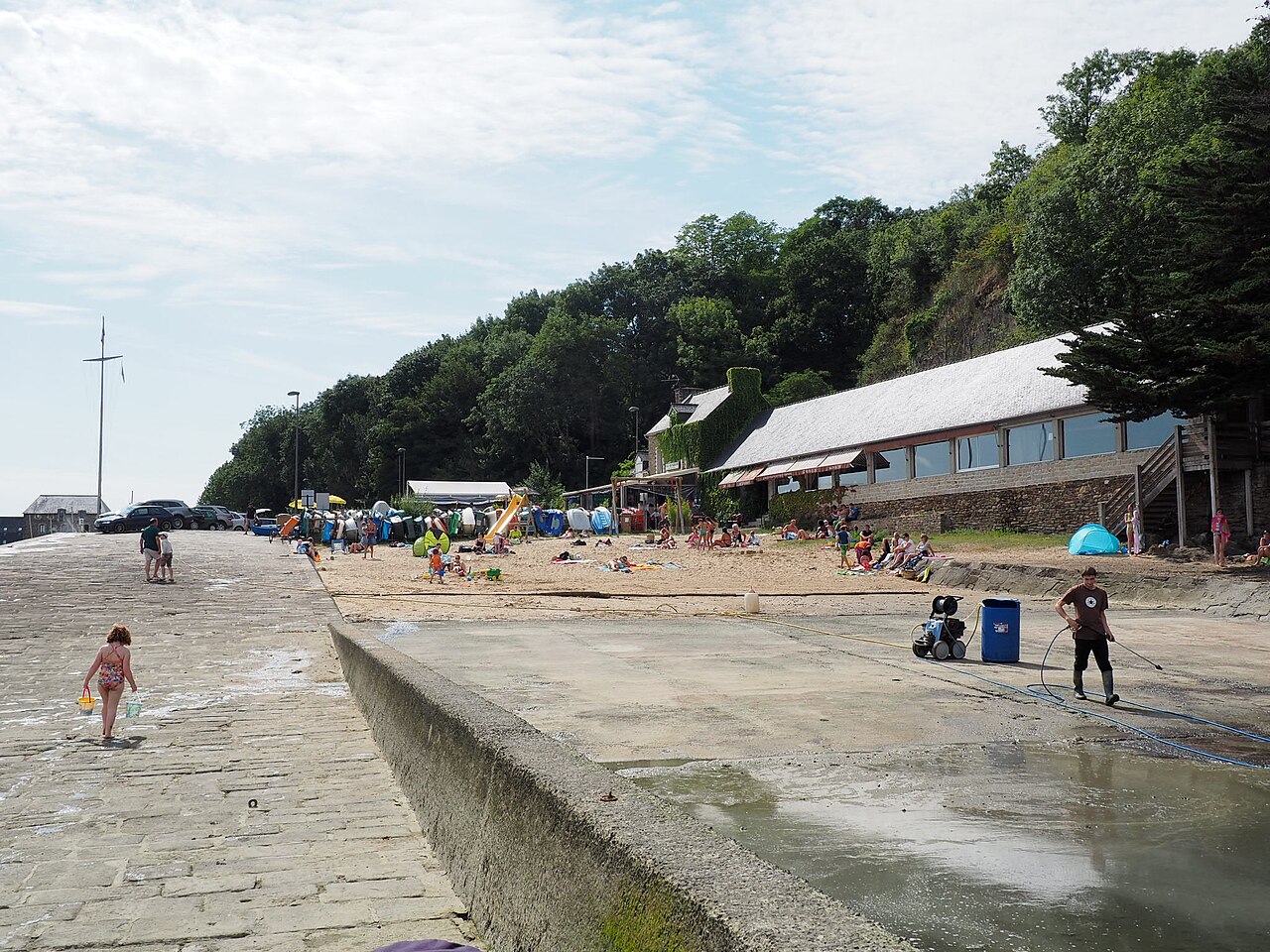
For pool systems, the CDC’s Healthy Swimming guidance is a helpful reminder that clean water and routine prevention go together. In other words, circulation and cleanliness are not separate conversations. They are the same conversation with different tools.
If the client is on-site, we are happy to walk through what changed. If they are not, we send the essentials clearly and keep the record simple enough to be useful later. Maintenance should reduce uncertainty. If it creates more of it, something has gone off script.
How the Work Changes Through the Year
Coastal maintenance is seasonal even when the weather is mild. The growth pressure changes, the watering needs change, and the amount of debris we are dealing with changes. Good maintenance follows the site, not a rigid calendar printed in a hurry.
In practical terms, that means the emphasis shifts over time:
- Spring: reset growth, check irrigation coverage, and clean up what winter left behind.
- Summer: monitor water needs more closely, trim with restraint, and keep pool circulation under control.
- Autumn: remove stressed material, prepare for slower growth, and reduce anything that may create blockages later.
- Winter: keep the site tidy, protect vulnerable plants, and use slower weeks to correct structural issues.
That does not mean every property gets the same list of tasks. It means the same logic is applied to different conditions. A clipped hedge in July and a clipped hedge in January are not the same decision. The plant knows the difference even if the quote form does not.
For watering, the EPA’s WaterSense labeled controllers guidance is a useful reference because it shows how scheduling and weather awareness help reduce waste. In real service work, that translates into a simpler rule: water what needs water, when it needs it, and not because the timer has feelings.
What We Do Not Try to Sell You
We do not try to sell a grand theory of landscape management. We do not promise that one visit will erase every problem on a property. And we do not pretend that a pool or garden can be managed well without regular attention. Maintenance is a system, not a miracle.
That means we will sometimes recommend less work, not more. If a bed only needs a reset and a sensible pruning pass, that is what should happen. If a pool only needs a careful cleanup and a filter check, the response should stay proportionate. A trustworthy service does not confuse activity with value.
It also means we respect the client’s priorities. Some owners care most about visual presentation. Others want the site to stay stable with as little intervention as possible. Others want to prevent a recurring issue from turning into a recurring bill. Those are different business cases, and they should be treated as such.
What the First Month of Service Usually Looks Like
The first month matters because it sets the operating rhythm. One visit tells us what exists. The first few visits tell us what repeats. Repetition is where maintenance becomes predictable.
In practical terms, the first month usually gives us three things:
- A baseline: what the garden and pool looked like when we started, including the main weak points.
- A rhythm: how quickly the site grows, dries out, clogs, or collects debris between visits.
- A sequence: what should be done every time, what should be seasonal, and what only needs attention when conditions change.
That baseline is useful for clients too. It gives them a clean reference point for future decisions. When a landscape is improving, it should be obvious. When a pool system is getting easier to manage, that should be obvious too. If those improvements are not visible, the plan probably needs adjustment.
The goal is not simply to keep showing up. The goal is to make each visit more informed than the one before it. That is how a service becomes dependable instead of just regular.
Service Areas and How to Reach Us
We work across Marbella, Estepona, Sotogrande, Málaga, and nearby Costa del Sol areas. If you need a garden and pool maintenance partner who values prevention, cleanliness, and clear communication, start with the Contact page.
You can also use the homepage for a quick overview of the site, or the Publications page if you want more practical notes on common maintenance decisions. That is the useful order: understand the service, read the practical guidance, then ask for a quote.
What clients can expect: a site that is assessed first, maintained with intention, and communicated about without fog. Clean work is still work. It is just work that respects the next visit.
Key Points to Remember
- We start with assessment, not assumptions.
- We prioritize prevention because it protects both plants and equipment.
- We keep the space clean during and after the visit.
- We communicate plainly so clients know what changed and why.
- We focus on the maintenance decision that matters most, not the one that sounds busiest.
If you want to move from a general request to a real maintenance plan, send the details through the Contact page. Clear input makes for a clear quote. It also saves everyone from the ancient art of guessing.