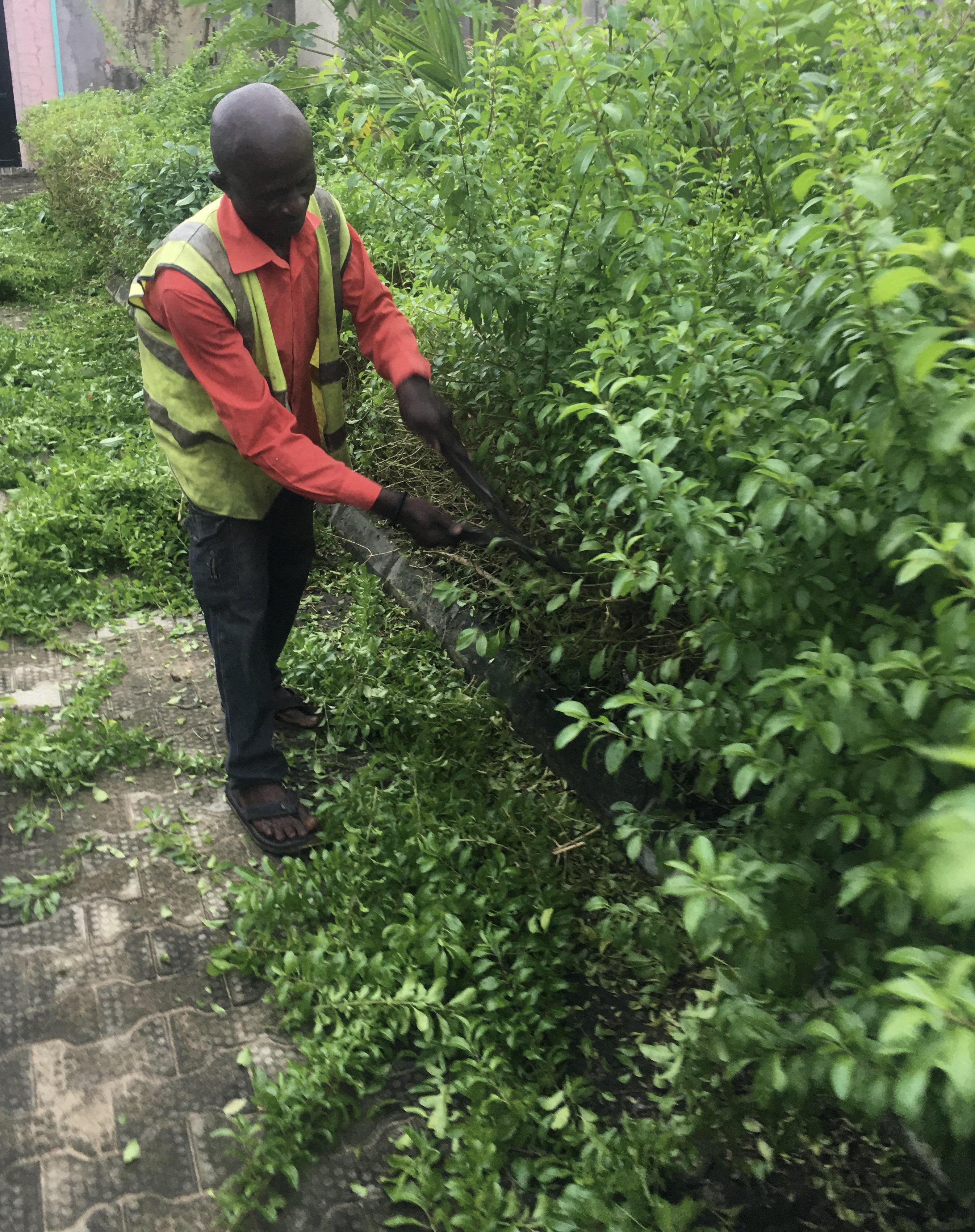
Video: Fall Gardening in 5 Minutes-What to Check Today
Fall garden care doesn’t need to be a whole weekend project. This quick video-style checklist shows the small things that make a big difference before cooler weather arrives-so your plants stay healthy and your garden is ready for winter.
When you search for fall gardening tips, you’re usually asking: What should I do today? What can wait until next week? And what should I watch for so problems don’t become emergencies?
According to extension guidance and gardening best practices, fall maintenance focuses on preparing plants gradually-supporting soil health, managing moisture, and keeping an eye on pests and disease-so growth doesn’t stall and conditions are easier to maintain. For general fall care principles, see University of Minnesota Extension fall garden care and Royal Horticultural Society fall (autumn) advice.
By the end of this post, you’ll have a simple 5-minute “today” routine, plus a short “next week” follow-up-pruning, mulch, watering adjustments, pest checks, and a quick soil/compost top-up (only if it suits your setup).
\n
Today’s 5-minute fall gardening checklist
Think of this as a walk-through-not a deep overhaul. If you do only one thing, do this: check plants first, then adjust what your garden is telling you.
- \n
- Pruning check: remove dead or damaged stems/leaves; leave healthy structure in place.
- Mulch check: top up mulch around plants that benefit from steady soil moisture.
- Watering check: water a bit differently-less often than summer, but don’t let deep roots go bone-dry.
- Pest monitoring spot check: look under leaves and along new growth for early signs.
- Soil/compost top-up (if appropriate): add a thin layer where soil is exhausted or mulch has broken down.
\n
\n
\n
\n
\n
\n
\n
\n
1) Pruning check (what to cut today)
In fall, pruning is mostly about cleaning up and reducing stress, not forcing big shape changes.
- \n
- Do: cut back dead, broken, or diseased parts.
- Do: tidy spent flowers only if your plants tend to look messy or attract pests.
- Don’t: make large “hard” cuts that can stimulate fresh growth right before cooler weather.
\n
\n
\n
2) Mulch check (where to refresh)
Mulch helps steady soil temperature and reduces evaporation-especially when mornings cool down but afternoons still get warm.
- \n
- Refresh mulch around shrubs, herb beds, and young plants.
- Keep it tidy: avoid piling mulch directly against stems.
- If you use compost: consider it a soil layer, then cover with a breathable mulch if that matches your garden style.
\n
\n
\n
3) Watering check (autumn adjustments)
Autumn is where many gardens accidentally swing between “too dry” and “too wet.” Your goal: consistent moisture without waterlogging.
- \n
- Check the soil 5-10 cm down. Water only if it’s drying out.
- Water deeper, less often rather than frequent light sprinkling.
- If you have irrigation: confirm schedules have shifted as temperatures drop.
\n
\n
\n
4) Pest monitoring spot check (early detection)
Most pest problems become easier when you catch them early. Spend 60 seconds on this.
- \n
- Inspect undersides of leaves and new growth tips.
- Look for sticky residue, stippling, webs, or leaf distortion.
- If you spot something, note the plant variety and location-so you can respond calmly (and consistently) later.
\n
\n
\n
5) Soil/compost top-up (only if it’s needed)
Not every garden needs feeding every week. A good rule: if the soil feels tired, or mulch has disappeared, a small top-up can help.
- \n
- Good candidates: herb beds, containers, and planting areas with visible soil.
- Technique: add a thin layer, then leave a little breathing room around crowns/stems.
- Skip for now: if your soil is already rich and you’re seeing good structure and growth.
\n
\n
\n
What to do next week (quick follow-up)
- \n
- Repeat the pest spot check on the same plants-patterns are more useful than one-time sightings.
- Plan any bigger pruning only if plants are clearly responding well (no fresh tender growth).
- Review watering: confirm irrigation timing/volume after changes in temperatures and rainfall.
\n
\n
\n
Want a seasonal maintenance plan?
If you’d like a tailored checklist for your garden schedule, reach out and tell us what you grow (and whether you have irrigation). You can start here: Contact us.
For more gardening guidance and updates, you can also explore home and publicaciones.
Quick recap
- \n
- Clean up dead/damaged parts-don’t force big cuts.
- Refresh mulch where soil is exposed or drying fast.
- Adjust watering based on soil depth, not just the weather.
- Spot-check pests early: leaves, stems, and new growth.
- Top up soil/compost only where it’s actually needed.
\n
\n
\n
\n
\n