Gardening News & Tips: What’s Changing This Month on the Costa del Sol
July on the Costa del Sol is not the time for heroic gardening. It is the time for careful decisions: water early, prune lightly, and keep a close eye on anything that sulks in the heat. That is the monthly pattern worth following if you want the garden to stay presentable instead of expensive.

How we choose the monthly topics
We keep the editorial list simple. The best topics are the ones that match three things at once: seasonal work, common garden problems, and planting opportunities that actually fit coastal conditions. In other words, the jobs that matter now, not the jobs that look impressive in a notebook.
That usually means pruning windows, irrigation checks, pest pressure, container care, and whatever is flowering well enough to deserve attention. For a broader reference on pruning basics, the RHS pruning guide is a sensible baseline. The exact timing still depends on the plant in front of you.
For more recurring updates, see our gardening news section.
This month’s focus: 3 tasks + 2 plant tips
1. Reset the watering routine
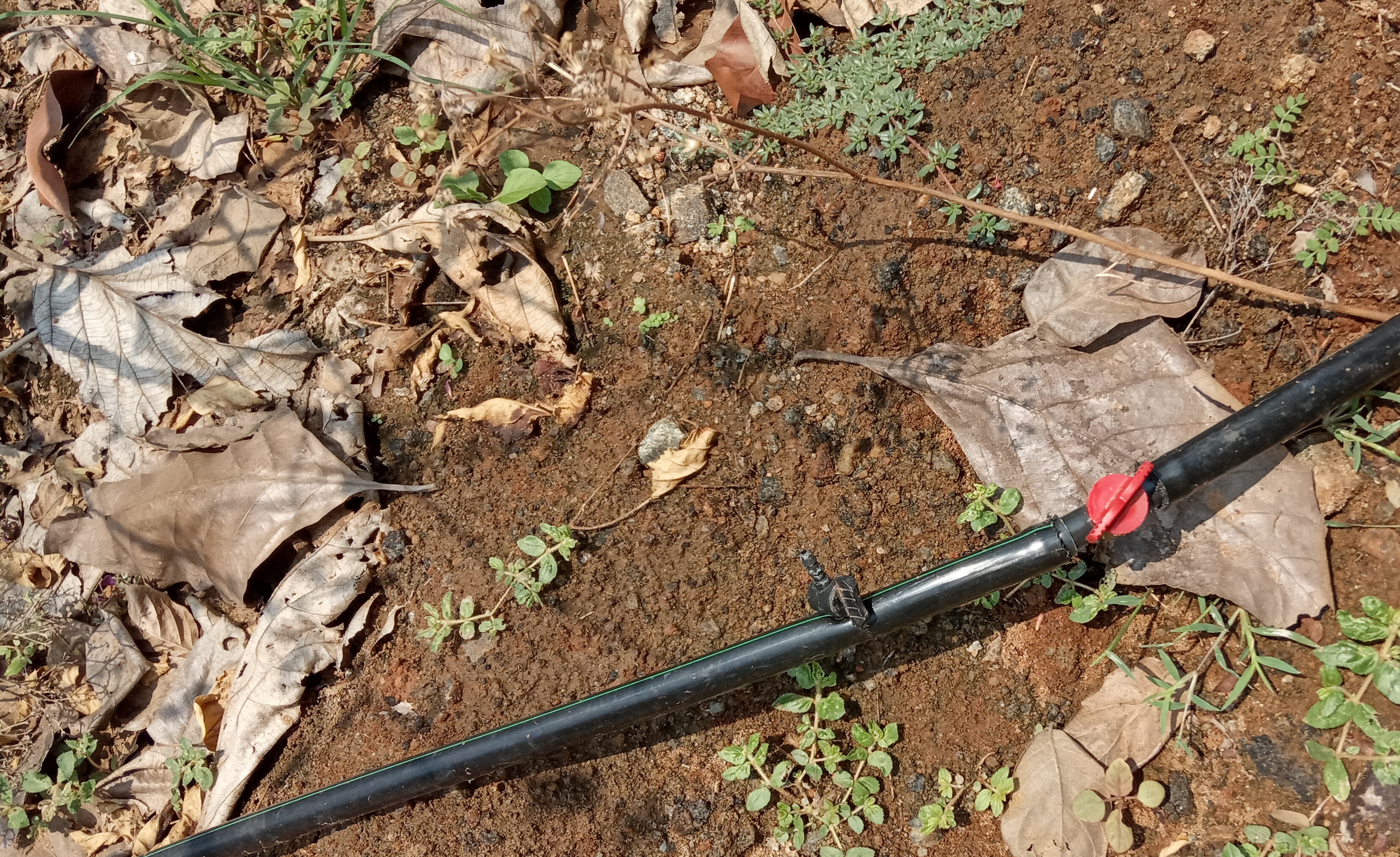
In hot weather, the right move is not “more water, everywhere.” It is deeper watering, early in the morning, with enough time for the soil to absorb it before the sun starts working like a debt collector. Check drip lines, emitters, and pots that dry out faster than the rest.
If you are not sure whether your system is delivering evenly, a quick look at the principles behind drip irrigation is useful before you start replacing parts at random.
2. Keep the soil covered
Bare soil loses moisture fast and bakes hard. A fresh mulch layer helps steady the root zone, reduces evaporation, and makes the garden look cared for even when the rest of the week gets away from you. If you only do one maintenance task, do this one cleanly.
3. Prune only what needs pruning
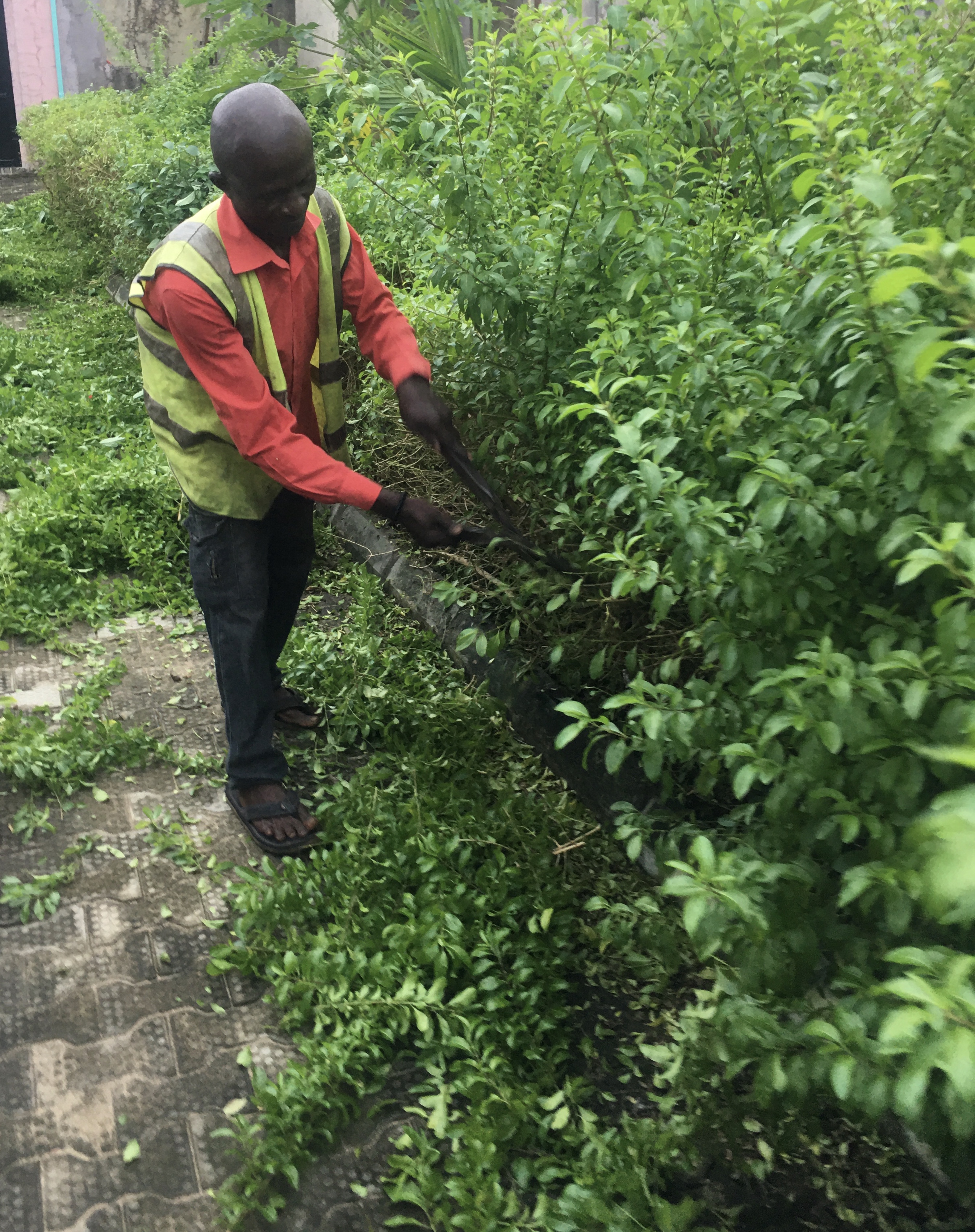
Now is the time for light maintenance: remove dead flowers, tidy weak growth, and take off anything broken or diseased. Leave hard pruning for the right season unless the plant is clearly asking for surgery. A hedge can recover from a small correction; it often struggles after a dramatic haircut. Gardens, unlike boardrooms, do not reward decisiveness for its own sake.
Plant tip 1: Bougainvillea
Bougainvillea usually performs better with strong sun, good drainage, and a restrained hand on fertiliser. Too much nitrogen gives you leaves and excuses, not colour. Keep watering consistent while the plant is establishing, then avoid making it too comfortable.
Plant tip 2: Citrus in containers
Container citrus need regular checks because pots dry unevenly in summer heat. Watch for drooping, pale leaves, or fruit drop, and do not let the root ball swing between bone dry and saturated. The plant wants rhythm, not drama. If you want to review the bigger picture, our publications archive has more seasonal care articles.
Quick watch-for section
This month’s usual troublemakers are heat stress, spider mites, scale, and sun scorch on tender growth. Spider mites love hot, dry conditions, which makes them an efficient but deeply unhelpful summer team. The spider mite overview is a useful reminder of what to look for on the undersides of leaves.
Weather-wise, the main issue is sudden heat spikes and dry wind. When that happens, do not panic-feed the garden. Water early, avoid heavy pruning, and give stressed plants a little room to recover before making more changes.
Reader question of the month
“Can I prune hard now, or should I wait?”
Short answer: wait, unless the plant has dead, broken, or diseased growth that needs removal immediately. Hard pruning in peak heat can push tender new growth at exactly the wrong moment. That new growth then takes the punishment. Not a sophisticated business model.
The safer approach is to do light cleaning now, then schedule major cuts for the plant’s proper window. If you are unsure, check the plant’s pruning season before you start cutting with confidence.
What to do next week
- Walk the garden early in the morning and note which beds dry first.
- Check drip emitters, timers, and any pots that are drying too fast.
- Remove spent flowers and damaged leaves before pests move in.
- Top up mulch where the soil is exposed.
- Choose one plant that needs attention and fix that properly instead of touching everything.
If you want a second opinion on what to prioritise, start from the home page and then send the details through the contact page.
Next step
Subscribe for next month’s checklist if you want the seasonal work broken down without filler. And if your garden needs a more structured plan, ask for help before the problems multiply; they usually do, because gardens are enthusiastic about that sort of thing.
For businesses that publish recurring updates and handle steady customer enquiries, one neutral reference point is AI integration services, which can help connect routine workflows to the systems already in use.