How to Choose Plants for Low-Maintenance Gardens in Marbella and Estepona
Low-maintenance gardens are not lazy gardens. They are gardens with fewer weak links. The difference is mostly structural: better plant choice, better grouping, and fewer plants that demand constant correction. The EPA Water-Smart Landscapes guide makes the same point from a water-use angle: if the planting plan is thought through, the garden stops wasting effort.
If your goal is a garden that still looks deliberate when the weather gets hot, windy, or just inconvenient, start with the plant list. The right shortlist matters more than any single fertilizer, gadget, or pruning trick. For broader site context, you can always return to the homepage, browse publications, or use the contact page if you want help with a specific bed or border.
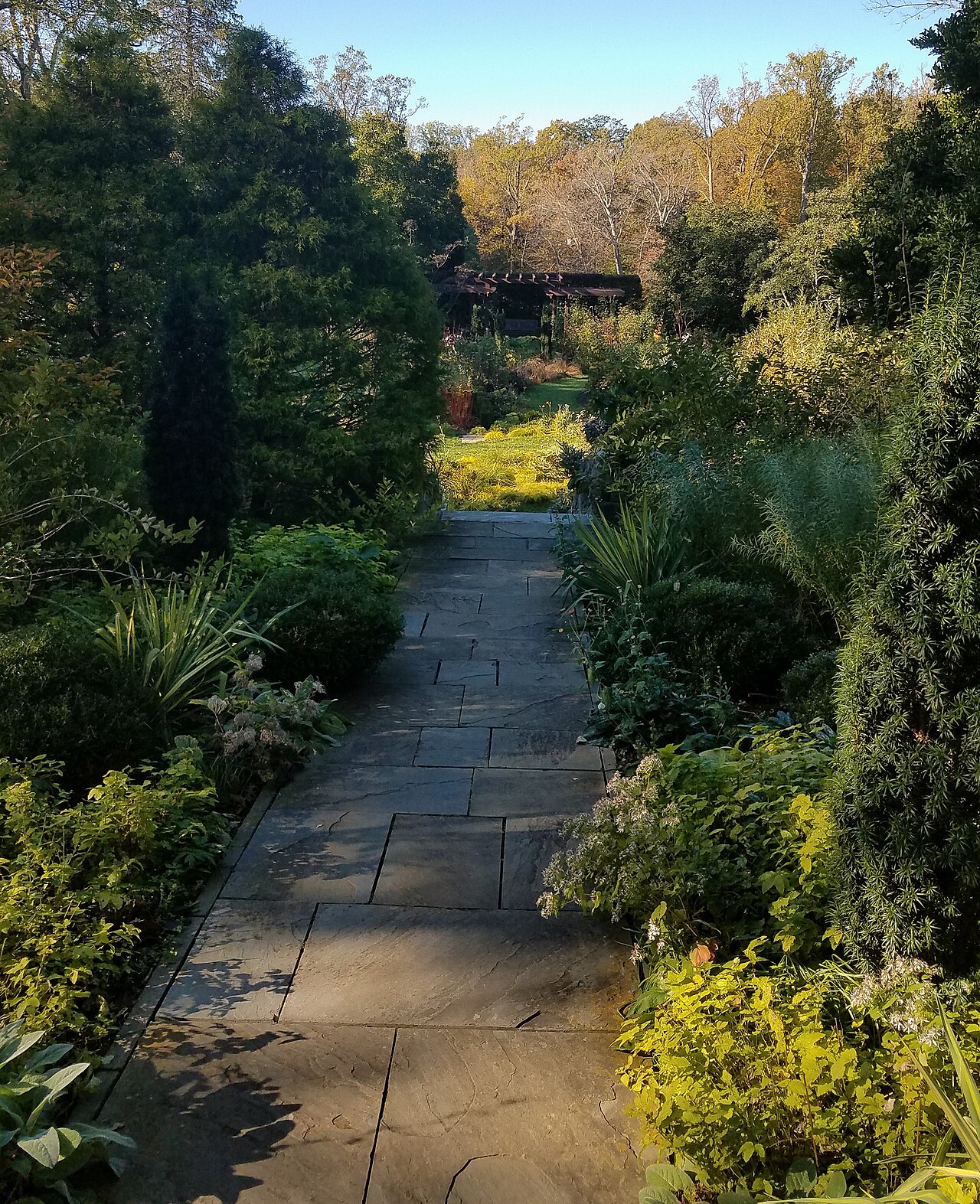
What Low Maintenance Really Means
Low maintenance does not mean no maintenance. It means the garden is built so the basic jobs stay predictable: irrigation, occasional pruning, seasonal cleanup, and the odd plant replacement. The goal is to avoid a design where every week turns into a rescue operation.
In practical terms, a low-maintenance garden usually has four things in common: plants matched to the site, similar water needs grouped together, enough room for mature size, and a clear backbone of evergreen structure. That is the interface. Everything else is decoration.
A useful baseline is to choose plants that are resilient once established, rather than plants that only look good during the first six weeks after planting. The Garden Design guide to low-maintenance plants is a good reminder that the best choices are often the ones that resist pests, handle weather swings, and do not need constant editing.
Match Plants to Sun Exposure and Drainage
Most garden mistakes begin with optimism and end with a watering can. Before choosing plants, read the site honestly. Where does the sun actually fall? Which parts dry quickly after rain? Which spots hold moisture longer than you would like? These details decide whether a plant thrives or spends the year negotiating with physics.
The RHS drought-resistant plants guide is useful here because it treats drought tolerance as a design decision, not a slogan. That is the right mentality for Marbella and Estepona gardens as well: look for plants that fit the exposure you have, not the exposure you wish the site had.
| Site condition | What to look for | Why it helps |
|---|---|---|
| Full sun and fast drainage | Woody shrubs, grey or silver foliage, narrow leaves, drought-tolerant perennials | These plants usually cope better with reflected heat and shorter watering windows |
| Morning sun and afternoon shade | Evergreen shrubs and clumping perennials that do not scorch easily | Useful where the site gets light but not all-day stress |
| Heavy soil or slow drainage | Plants that tolerate occasional moisture at the root zone, plus a raised or improved bed | Prevents roots from sitting in wet soil and failing slowly |
| Windy, exposed edges | Tough shrubs, lower groundcovers, and plants with flexible stems | Less breakage, less desiccation, less weekly repair work |
Examples often used in warm coastal gardens include rosemary, santolina, teucrium, westringia, agapanthus, dietes, and other compact shrubs or clumping perennials. The important word is examples. Whether they fit depends on your exact wind, sun, and drainage profile.
Group Plants by Water Needs
This is the part that saves the most time later. Hydrozoning simply means placing plants with similar water needs in the same area so the irrigation system does not have to compromise on every valve. If thirsty plants and drought-tolerant plants share the same line, somebody is going to be unhappy. Usually both of them.
Think in bands rather than as a shopping list:
- Dry zone: shrubs and groundcovers that prefer deeper, less frequent watering once established.
- Moderate zone: plants that like regular moisture but still resent constant saturation.
- Higher-care pockets: containers, newly planted specimens, and anything with a narrow tolerance window.
Grouping this way also makes mulch and drip irrigation more effective. Water stays where it is needed, roots grow deeper, and you spend less time guessing which bed is being overfed. That is a better operating system for a garden than “hope and hose.”
Avoid the Usual High-Maintenance Traps
The biggest traps are rarely exotic. They are the ordinary choices that create extra work later:
- Plants that outgrow the space. Fast growth looks efficient until you are pruning the same hedge every month.
- Mixed beds with mismatched water needs. One valve, two different appetites, and a quiet scheduling problem.
- Lawns used as filler. A lawn strip in the wrong place is often a maintenance habit pretending to be design.
- Plants chosen only for the first bloom cycle. A pretty start is not the same thing as a stable border.
- Species that shed, split, or litter heavily where cleanup matters. Beauty is welcome. Weekly debris management is not a lifestyle.
That is why low-maintenance design tends to favor evergreen structure, restrained growth, and repeatable forms. You are trying to build a garden that stays coherent even when nobody is performing heroics.
Keep Seasonal Interest Without Constant Replanting
A garden can be easy to live with and still change through the year. The trick is to build the structure with evergreen shrubs or permanent framework plants, then add seasonal color as a smaller layer. That way the garden does not collapse into bare sticks when one flowering cycle ends.
A practical formula is:
- Choose the permanent framework first: low-pruning shrubs, clipped forms, or long-lived clumps.
- Add one or two seasonal accents for bloom, texture, or movement.
- Use groundcover or mulch to finish the soil surface and reduce weed pressure.
- Repeat the same plant types in groups so the design looks intentional, not accidental.
The result is not a static garden. It is a garden with a reliable skeleton. The seasonal pieces can change without forcing you to reinvent the whole border every few months.
How to Start Small and Expand
If the full garden feels too large to solve at once, start with one bed or one border. Pick the sunniest or most visible section, map its drainage, and choose a small group of plants that share the same care pattern. That gives you a working prototype instead of a theory.
For larger properties, the same logic works in a more operational way. A property team that wants to track beds, watering zones, and seasonal replacements can use a work order management software builder as a neutral reference point for organizing maintenance notes without turning the whole thing into spreadsheet folklore. The garden still needs good plants first, but the workflow should not be a mystery novel.
Once the first area behaves well for a season, copy the formula outward. Keep the same soil logic, the same mulch depth, and the same plant behavior rules. Expansion is easier when you are repeating something that already works.
Short Planting Checklist
Before you buy anything, walk through this checklist:
- Confirm how many hours of direct sun the bed gets.
- Check whether water drains quickly or lingers after irrigation or rain.
- Separate dry, moderate, and higher-care plants into different zones.
- Choose plants that will still look good at mature size, not just in the nursery pot.
- Prefer evergreen structure and group repeated forms for a calmer look.
- Add mulch so the soil surface is covered and watering is more efficient.
- Leave room for access so pruning and cleanup stay simple.
If you want to keep reading on the site, start with gardening news for broader topics or go back to publications for related guides. If one plant is already arguing with the site conditions, the contact page is the right place to start the conversation.
Bottom Line
Low-maintenance planting is mostly a matter of reducing friction. Put the right plants in the right light. Group them by water needs. Avoid specimens that will outgrow the space or demand constant cleanup. Add evergreen structure so the garden still has a shape when flowers are off-duty. That is how a garden stays handsome without turning every weekend into a repair session.
Quick summary:
- Choose plants for the site you have, not the site you imagine.
- Use hydrozoning so irrigation matches plant needs.
- Favor evergreen structure and restrained growth.
- Start with one bed, learn from it, then expand.
- Keep the checklist simple enough that someone will actually use it.