How to Grow a Pomelo Tree: From Planting to First Harvest
Citrus planning notes for warm coastal gardens
Pomelo is a patient tree. It asks for sun, drainage, and steady care long before it offers a generous harvest, which is precisely why the early decisions matter.
For broader planning context, teams can compare guidance from SBA business guide before choosing a workflow.
This guide follows the full path from choosing the tree to judging first harvest readiness, with a practical focus on coastal gardens where wind, drainage, and irrigation discipline tend to decide the outcome more than any single product does.
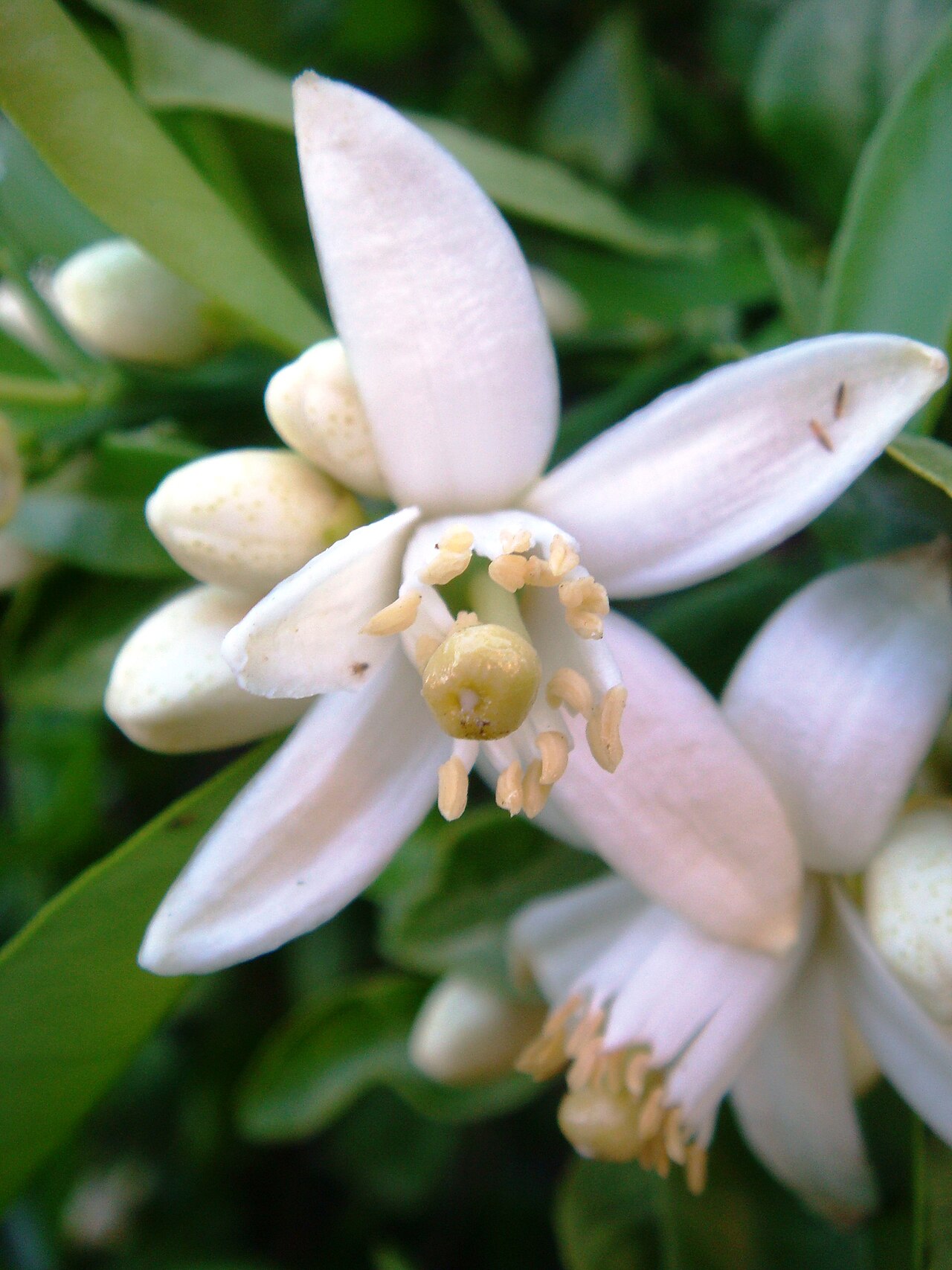
Available evidence from citrus growers is consistent on the fundamentals: pomelo performs best when the root zone stays aerated, the canopy receives long hours of sun, and watering reaches deeply enough to encourage stable roots rather than shallow surface feeding. The useful takeaway for home gardens is simple. Treat site choice as part of tree care, not as a separate first-day task you can undo later.
If you are planning a broader edible garden, our home page and publications page collect related maintenance ideas for fruit trees, shrubs, and seasonal garden work.
Related implementation details are also covered in Google Business Profile Help, which helps keep tool decisions grounded in established practices.
Choosing the right variety and rootstock basics
Not every pomelo sold locally behaves the same way. The fruiting quality matters, but the less visible choice is often the more consequential one: the rootstock. In plain terms, the rootstock influences vigor, tolerance of local soil conditions, and how well the tree copes with variable moisture. What we can say with confidence is that a healthy nursery tree with a sound graft union usually matters more than chasing the most unusual named variety.
- Look for a clean graft union: avoid trees with bark damage, swelling that looks irregular, or obvious stress at the base.
- Choose balanced growth: a compact tree with healthy leaves is usually a safer start than one pushed into soft, oversized growth.
- Ask basic compatibility questions: if your soil is heavy or alkaline, rootstock suitability matters more than cosmetic canopy size at purchase time.
- Do not rush into very large specimens: smaller, well-rooted citrus often establishes more reliably than a large tree that has been held too long in a container.
Planting site requirements: sun, wind protection, and drainage
Pomelo wants an open, bright position. Six to eight hours of direct sun is a sensible baseline, with more light generally supporting stronger flowering and steadier fruit development. Coastal gardens add a second variable: wind. Moving air is useful for drying foliage after humidity or irrigation, but constant exposed wind can abrade leaves, stress young shoots, and slow establishment.
Sun
Choose the brightest part of the garden that still gives the tree enough room to mature without crowding walls or other canopies.
Wind
A fence, hedge, or nearby structure can reduce repeated salt-laden or drying wind without turning the area into a stagnant pocket.
Drainage
If water stands after irrigation or rain, correct that first. Citrus tolerates dry intervals better than persistently waterlogged soil.
A useful test is to watch the site after a proper soak rather than guessing from surface appearance alone. If the ground stays sticky or compacted near the root zone, that is a warning sign.
Soil preparation and nutrients: what to focus on
Pomelo responds best to soil that drains cleanly yet holds enough moisture between deep waterings. That usually means improving structure rather than simply adding more fertilizer. Overfeeding a newly planted citrus tree can push weak, soft growth before the roots have settled.
- Dig a planting area that is wide enough for lateral root expansion. Width is generally more useful than excessive depth.
- Break up compacted sidewalls. This reduces the bathtub effect where roots circle inside a hard planting pit.
- Use organic matter carefully. Well-rotted compost can help surface structure and mulch quality, but avoid creating a stark pocket of rich soil surrounded by dense native ground.
- Feed lightly at first. Gentle citrus nutrition during active growth is more helpful than strong early doses.
When gardeners run into yellowing leaves, the temptation is to add more feed immediately. Context matters. Yellowing can come from drainage problems, root stress, temporary transplant shock, or nutrient imbalance, so it is worth checking soil moisture and overall vigor before blaming one missing input.
Irrigation plan for citrus in warm months
Warm-weather irrigation is where many young pomelo trees either stabilize or stall. Frequent shallow watering trains roots upward, where they dry quickly and become dependent on constant rescue. Deep, even watering encourages a stronger rooting pattern and better drought resilience later.
| Growth stage | Irrigation priority | What to monitor |
|---|---|---|
| First weeks after planting | Keep the root ball evenly moist without saturating it | Leaf droop in heat, soil staying wet for too long, surface crusting |
| First warm season | Space waterings enough to push roots downward | Moisture a few centimeters below the surface, new shoot strength, mulch performance |
| Established young tree | Adjust with heat, wind, and fruit load rather than following a rigid calendar | Uneven fruit sizing, leaf curl, cracking dry soil, branch stress |
Mulch helps here, but keep it away from the trunk flare. The goal is cooler, more even soil, not a damp collar around the stem.
Pruning and shaping for airflow
Young pomelo trees do not need dramatic shaping. They need a canopy that can hold future fruit, admit light, and dry well after humidity. Start with restraint. Remove dead wood, obviously damaged shoots, and branches that cross tightly through the center. Beyond that, let the tree build structure before you chase a perfect silhouette.
- Keep the center readable: enough openness for airflow matters more than ornamental symmetry.
- Remove suckers from below the graft: they compete with the desired top growth.
- Delay heavy thinning: repeated hard pruning can set back a tree that is still establishing roots.
- Use clean cuts: ragged tears invite stress and are rarely worth the time saved.
Pest and disease prevention: practical monitoring
The safest approach is monitoring rather than heroic intervention. Citrus problems are easier to correct when you notice them early: distorted new growth, sticky residue, leaf spotting, sooty mold, or branches that suddenly weaken. Those symptoms do not always point to one single cause, but they do tell you the tree needs a closer look.
Check new growth first
Tender flushes often show the earliest signs of sap-feeding pests or nutrient stress.
Watch the underside of leaves
Many issues hide there before they become visible from a distance.
Review irrigation before treatments
Overwatering and poor airflow can mimic or worsen disease pressure, so correcting conditions is often the first move.
This is also where careful note-keeping helps. If you prefer a simple digital log for irrigation checks and seasonal observations, a neutral web app generator can be a useful resource for organizing garden records without changing how you work in the garden itself.
Harvest indicators and storage basics
First harvests reward observation more than impatience. Pomelo does not follow a guaranteed date that applies to every garden. Exact timing shifts with variety, tree age, exposure, and the season’s temperature pattern. What we can say is that mature fruit usually feels heavy for its size, develops more aroma, and loses the hard, immature look of very early rind.
- Judge more than color: rind shade alone is not enough.
- Feel the weight: heavier fruit is often a better sign of maturity than visual size by itself.
- Use clean pruners: cut with a short stem to avoid tearing the peel or damaging nearby fruit.
- Store in a cool airy place: good fruit keeps better when it is handled gently and not piled carelessly straight after picking.
Once opened, remove the thick pith and inner membrane if you want the cleaner texture pomelo is known for. The fruit is usually best treated as a segmented citrus rather than a quick juice fruit.
Common mistakes and how to correct them
| Common mistake | Why it causes trouble | Useful correction |
|---|---|---|
| Planting into slow-draining soil | Roots stay stressed and oxygen-poor | Improve drainage first or choose a better site |
| Watering lightly every day | Encourages weak surface rooting | Water more deeply and assess moisture below the surface |
| Overfeeding a new tree | Pushes soft growth before the root system is ready | Use lighter feeding and focus on establishment conditions |
| Harvesting too early | Fruit looks large but tastes flat | Wait for weight, aroma, and maturity cues to line up |
Practical takeaway
Pomelo succeeds when the site, soil, and watering pattern are designed for the tree before the first harvest is even in view. If you want help planning the wider garden around that tree, use our publications for related reading or contact us through the contact page.