Hugelkultur Beds for a Backyard Garden Tour
Backyard growing ideas and soil-building notes
Hugelkultur Beds for a Backyard Garden Tour
Hugelkultur is less a trend than a way of thinking about organic matter, moisture and long-term soil structure. The bed looks simple from the outside, but what happens inside it changes how the surface behaves for years.
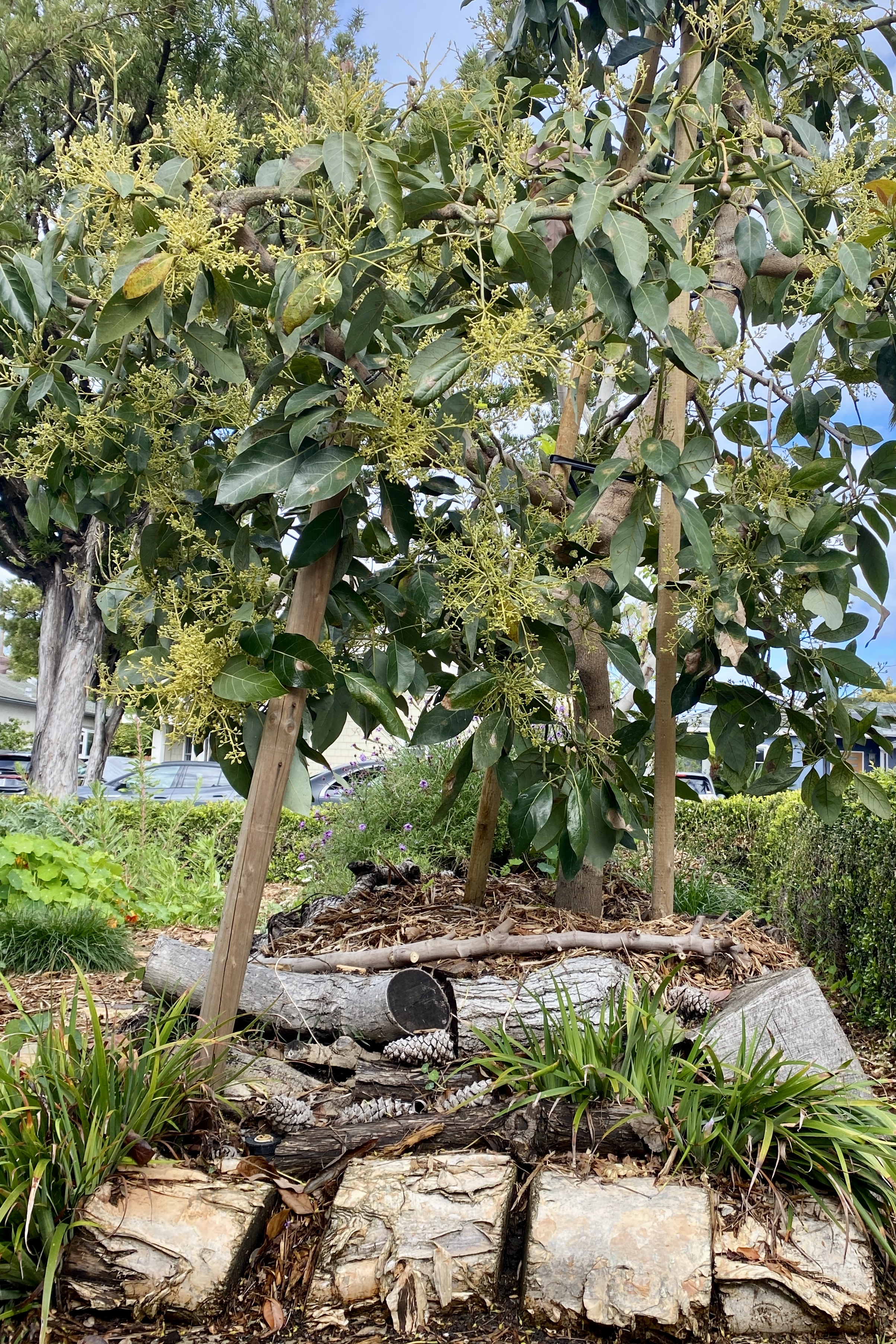
If you have seen backyard garden tours featuring tall mound beds built over logs and branches, this guide explains what the system is for, where it works well and what to watch before copying it into a warm-climate garden.
At a glance
- Best for: gardeners with woody material to reuse and enough room for a deliberate soil-building bed.
- Watch for: shallow finishing soil, dry exposed slopes and unrealistic no-maintenance expectations.
- Most useful question: does the bed shape suit your climate and irrigation habits?
Most people become interested in hugelkultur after seeing a productive mound bed in a garden tour and asking three practical questions: what is hidden under the soil, does the woody core really help with water retention, and is the method worth the setup work for an ordinary backyard? Those are the right questions. Hugelkultur can be effective, but it is not a magic shortcut and it is not equally useful in every site condition.
At its core, hugelkultur uses logs, branches, smaller woody debris, compostable material and topsoil to create a raised bed that breaks down slowly over time. The buried wood changes the internal structure of the mound, influences how moisture is held and creates a long, staged decomposition process.

What a hugelkultur bed is made of
- Large woody core: logs or thicker branches provide structure and long-term decomposition.
- Smaller woody fill: twigs and branch offcuts reduce empty space and create a more graded internal layer.
- Organic matter: leaves, grass cuttings, compostable material or aged plant waste soften the transition upward.
- Soil and compost cap: the top growing layer is where roots begin their productive work.
Why gardeners use it
It can recycle woody material on site, build a deep bed without imported fill and create a longer soil-building arc.
Why it attracts attention
The cross-section is easy to explain and the overall form stands out in a backyard tour or educational garden.
Why it sometimes disappoints
Poor wood choice, low finishing soil depth or unrealistic watering expectations can make the bed harder to manage in year one.
What to notice on a backyard garden tour
The height and side slope
A very steep mound sheds water and exposes the cap layer faster. A moderate shape is usually easier to keep planted and mulched.
How much true growing medium sits on top
Roots need a real top layer to establish before they interact with the deeper woody material. Thin topsoil often leads to patchy first-season results.
Whether the bed matches the climate
In dry, hot and windy settings, exposed mounds can lose surface moisture quickly unless mulch and irrigation are handled well.
How the gardener is using the edges
The edges often tell you whether the design is truly stable. Erosion, slipping mulch and bare patches reveal more than the center does.
When hugelkultur makes sense in a warm-climate garden
Hugelkultur is most useful when you already have clean woody material to recycle, enough space for a bed with some volume, and the patience to let the system settle. It is less compelling when the site is tiny, the aesthetic must stay extremely formal, or irrigation is inconsistent. For Mediterranean gardens, the idea works best when you treat the bed as a managed soil project rather than a no-maintenance mound.
If your main goal is a tidy edible corner instead of a larger soil-building experiment, simple raised beds or controlled planters may be easier. For compact herb ideas, compare this approach with our mint planting guide.
A planning note for bigger properties
On estates or educational gardens, hugelkultur beds are easier to manage when layer details, irrigation adjustments and settling changes are documented clearly. If that documentation has outgrown paper notes, tailored custom web development services can help turn an ad-hoc maintenance process into a shared working tool for staff or contractors.
Bottom line
Hugelkultur is worthwhile when the bed design, climate and maintenance expectations fit each other. Use it as a deliberate soil-building system, not as a shortcut that replaces planning. For broader property care help, visit our publications, follow the gardening news post or get in touch through contact.