How to Plant Papaya in Your Garden: Tips for a Successful Start
Is papaya realistic in your microclimate?
Papaya can be a rewarding warm-climate fruit tree, but it is not a “plant it and forget it” crop. The plant wants steady warmth, full sun, and shelter from strong wind. In a coastal garden, that usually means choosing the calmest, brightest corner you have and treating cold snaps like a system you plan for, not a surprise you hope away.
If your garden gets exposed winter wind or occasional frost, start in a large container so you can move or protect the plant when needed. For a general overview of climate and frost risk, the RHS papaya growing guide is a useful reference point.
Choosing the right spot: containers vs. ground
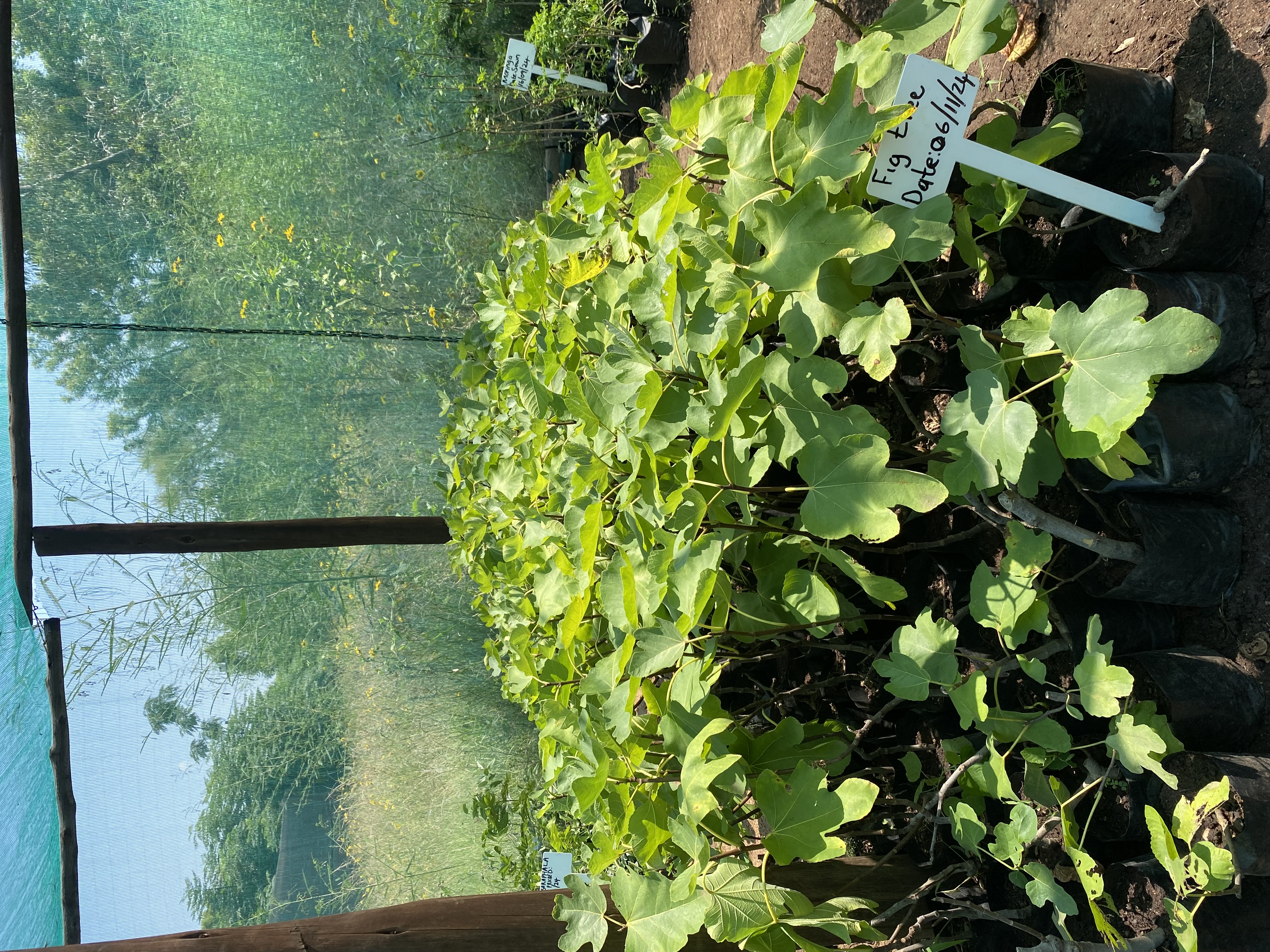
A container gives you control. That matters with papaya, because control is what keeps a warm-season plant alive when the weather decides to be dramatic. Use a pot with generous drainage holes and enough volume to hold a stable root zone. Ground planting can work in a sheltered, warm position, but only if drainage is excellent and winter temperatures stay mild enough for the plant to keep growing.
- Containers: best for wind exposure, moveability, and cold protection.
- Ground planting: best only in a very sheltered, well-drained spot.
- Light: aim for full sun for most of the day.
For soil basics and pH context, the RHS soil and compost guidance is a reliable starting point.
Soil prep and drainage: what papaya needs
Papaya roots dislike waterlogged soil. That is the hidden constraint here. Good drainage matters more than fancy feeding at the start. Use a free-draining mix with organic matter, but do not turn it into a swamp dressed as a potting mix. If the soil stays wet, growth slows and root problems arrive before any fruit does.
A practical mix for containers is a quality potting compost blended with a mineral drainage component such as perlite or coarse grit. In the ground, improve structure without creating a deep pocket of heavy, wet material that traps water.
Planting steps: handle the seedling gently
- Water the seedling lightly before transplanting so the root ball is moist, not dripping.
- Prepare the final pot or planting hole before you remove the plant from its container.
- Set the seedling at the same depth it was growing before.
- Backfill gently and firm the mix without compacting it.
- Water once to settle the soil, then let excess water drain away.
If you want a warm-climate planting reference for timing and protection habits, Purdue’s papaya notes are old-school but useful for understanding the plant’s requirements.
Watering schedule for the first months
The first months are about consistency, not generosity. Water deeply, then wait until the upper layer of the mix begins to dry before watering again. Seedlings in containers may need more frequent checks than plants in the ground, especially during warm, bright weather. What you want is even moisture, not constant saturation.
- Check the top few centimeters of soil before watering.
- Increase frequency in hot, windy spells.
- Reduce watering if nights turn cool and growth slows.
Fertilizing basics for fruit trees
Once the plant is established, feed lightly and regularly rather than with heavy, irregular doses. A balanced fruit-tree fertilizer can help early growth, but too much nitrogen can push soft, weak growth. That is great for looking busy and terrible for building a sturdy plant.
Follow label directions and adjust to plant response. Healthy papaya should show steady new growth, not a frantic sprint that leaves the stem weak and the leaves oversized.
Protection plan for cold snaps
Papaya is a warm-weather plant, so cold protection is part of the setup from day one. In exposed gardens, keep a breathable protective cover nearby and be ready to use it when temperatures drop. A container makes this easier: move the plant to the warmest sheltered spot you have, and keep the crown and growing point protected from cold air.
The Carica papaya overview on Wikipedia is useful for a quick botanical refresher, but local conditions still matter more than a generic climate summary.
What to expect in the first year
In the first year, focus on roots, structure, and survival. If the plant stays warm, well drained, watered consistently, and protected from cold, it can establish strongly. Do not build the whole plan around a guaranteed harvest date. That is not gardening; that is wishful scheduling.
A strong start means a healthy stem, active leaf growth, and a plant that keeps responding to your care without stress. If you want practical help matching the crop to your site, you can contact us for garden advice, or browse more maintenance and planting notes in our gardening news section. For the site’s main services and background, see the home page.