How to Grow Mint in Your Vegetable Garden: Tips and Tricks
Why mint spreads, and how to contain it
Mint is vigorous by design. It sends out runners, fills gaps quickly, and will happily behave as if the whole bed was reserved for it. That is useful if you want a fast herb patch. It is less useful if you want a mixed vegetable garden.
The safest rule is simple: decide the boundary before you plant. A contained pot, a sunk nursery container, or a bed with a clear root barrier will keep the plant productive without letting it become the site manager.
Best location: sun vs shade in coastal heat
In warm coastal gardens, mint usually does best with morning sun and some afternoon shade. Full sun can work if the soil stays evenly moist, but harsh afternoon heat can make the leaves smaller and more bitter.
If your garden is exposed and dry, place mint where it gets light without the hardest heat. A little restraint now saves a lot of trimming later.
Soil and potting mix recommendations
Mint prefers soil that holds moisture but still drains well. Think of it as a plant that likes comfort, not puddles.
- Use rich garden soil with compost mixed in for beds.
- For containers, use a quality all-purpose potting mix with a little compost.
- Avoid very heavy clay that stays waterlogged for long periods.
For general container guidance, the Royal Horticultural Society has a useful overview of growing herbs in pots: RHS herb growing advice. Mint follows the same practical logic: steady moisture, good drainage, and no drama.
Planting method: in-ground barriers vs containers
| Method | Best for | Main advantage | Main risk |
|---|---|---|---|
| Container | Most home gardens | Fastest way to control spread | Needs regular watering |
| Sunk pot or barrier | Mixed beds | Keeps roots in one zone | Barrier must stay intact |
| Open bed | Dedicated herb area only | Easy growth | Spread becomes the problem |
If you want mint near vegetables, a container is the reasonable default. If you plant it in the ground, use a physical barrier and check it occasionally. Mint is not subtle.
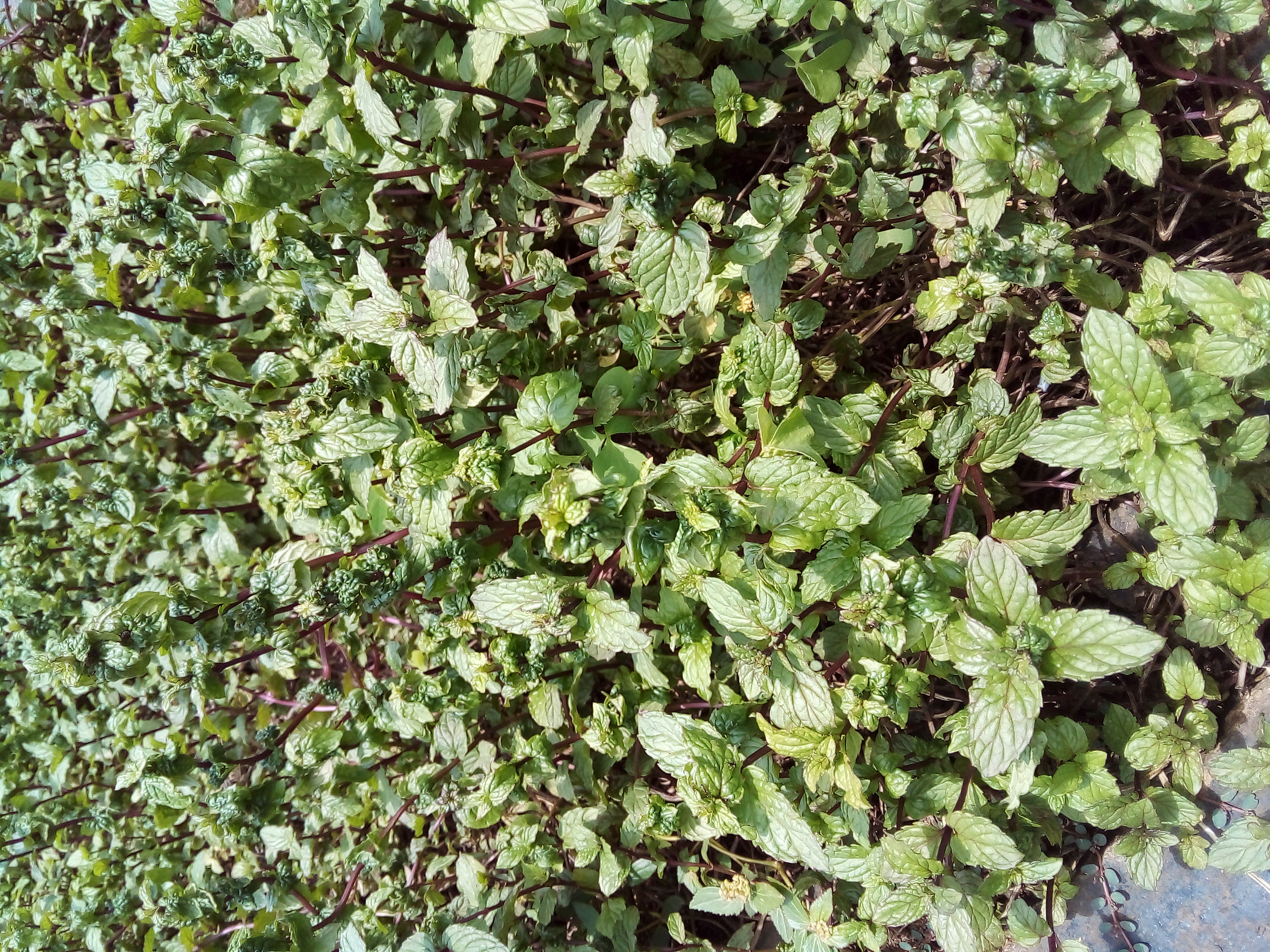
Watering and feeding for steady growth
Mint likes consistent moisture. Letting it dry out heavily between waterings weakens new growth and makes the plant less productive. Water when the top layer of soil starts to dry, but do not leave it sitting in soggy compost.
Feeding should be modest. A little compost in spring or a light balanced feed is usually enough. Too much fertilizer pushes soft growth that is more vulnerable to pests and mildew.
If you need broader garden support, you can start from the home page and see how the site approaches general garden maintenance, or use the contact page if you want help with a planting plan.
Harvesting without weakening the plant
Harvest mint regularly, but do it with discipline. The best cuts are above a leaf pair, which encourages bushier growth. Avoid stripping the plant down to bare stems unless you are trying to teach it a lesson.
- Pick the top stems for quick kitchen use.
- Leave enough foliage for the plant to keep photosynthesizing.
- Harvest before flowering if you want the strongest leaf flavour.
For a broader view of mint species and common growth habits, Wikipedia’s Mentha overview is a decent starting point. For practical culinary handling, Britannica’s mint entry gives the basic plant background without wandering off into poetry.
Pests and mildew prevention
Mint is tough, but it is not invincible. Watch for aphids, spider mites, and powdery mildew, especially if air movement is poor or the plant is crowded.
- Space containers so leaves can dry after watering.
- Remove weak or damaged stems promptly.
- Water at the base rather than soaking the foliage.
- Do not let the plant become a dense, humid thicket.
For disease basics, the University of Minnesota Extension has a clear guide on powdery mildew: powdery mildew prevention and care. The name says enough. The fungus, regrettably, does not care about optimism.
Quick checklist: mint in 10 steps
- Choose a contained pot or a bed with a barrier.
- Pick a spot with morning sun and some afternoon shade.
- Use rich, well-drained soil or potting mix.
- Plant one healthy mint start.
- Water thoroughly after planting.
- Keep the soil evenly moist.
- Feed lightly rather than heavily.
- Pinch and harvest regularly.
- Watch for mildew and pests.
- Check the boundary every few weeks.
If you follow those steps, mint stays useful instead of becoming the headline act. Decide on the container first, then enjoy the leaves. That order matters.
To browse more practical gardening guidance, visit Publicaciones.