How to Get a Garden and Pool Quote: Checklist for Faster, Clearer Pricing
The fastest quote request is not clever. It is complete. If you want a clearer garden and pool price, stop making the contractor guess. Give them the photos, access notes, scope, timing, and measurements up front. That is how you get past the back-and-forth that wastes everyone’s afternoon.
A vague message gets a vague estimate. A specific message gets a usable one. If you are sending requests by chat, email, or a contact form, the goal is the same: remove the obvious unknowns before anyone starts pricing the job. For more background on the services side of the site, the homepage and Publications page are the right places to start.
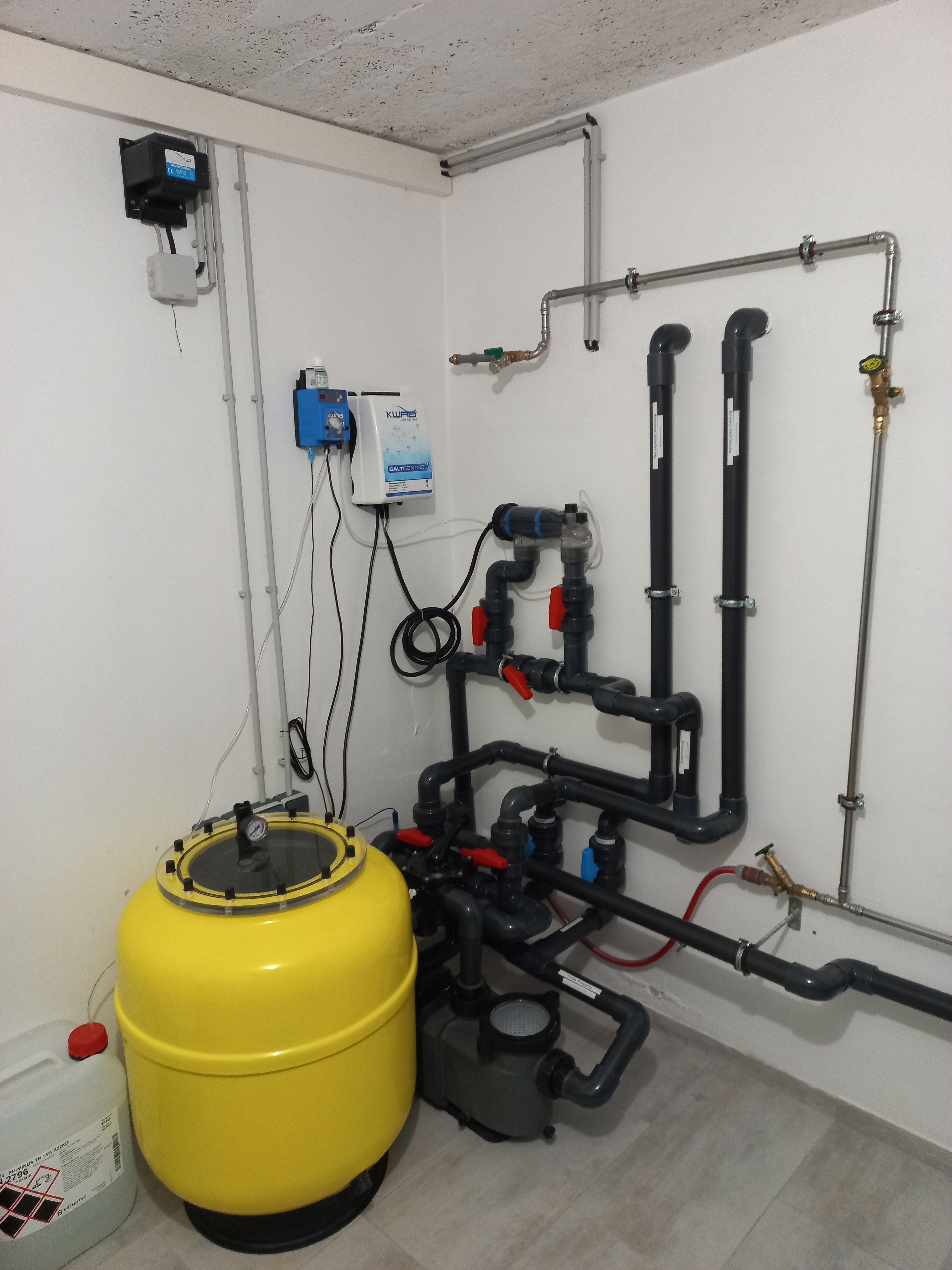
Step 1: Gather Photos
Start with photos. Not one photo. Not a blurry close-up taken from the wrong angle. Give the contractor a short visual map of the property so they can see what needs work before they reply with a number that has no relationship to reality.
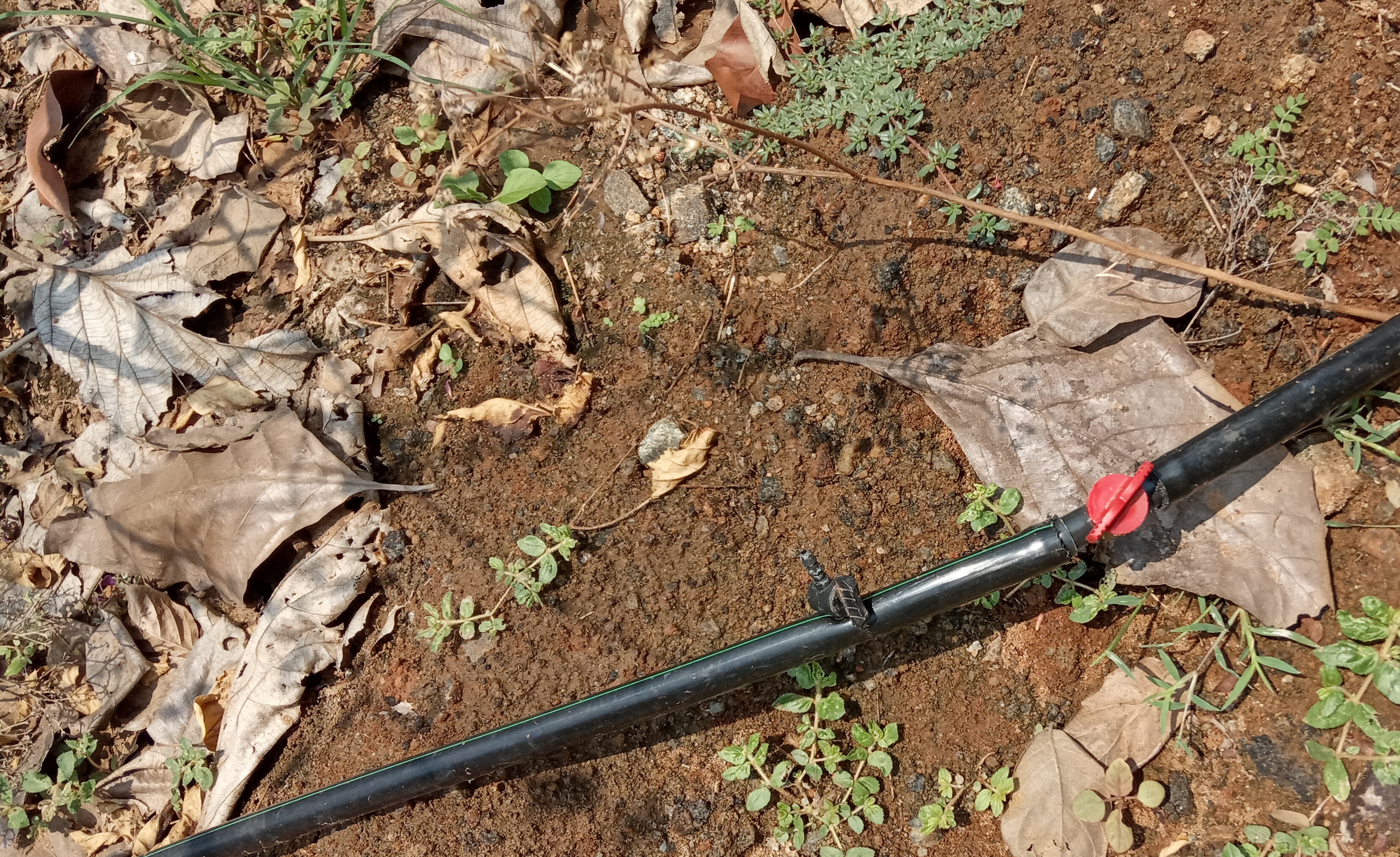
- Take wide shots of the front garden, back garden, pool area, and any side access.
- Add close-ups of the irrigation controller, drip lines, pump area, skimmer, filters, damaged plants, or obvious problem spots.
- Include at least one photo that shows scale, not just detail. People quote from context, not from a floating leaf.
- If the issue changes by area, label the photos in the message so nobody has to play detective.
If you are recording an area roughly in square metres, a quick refresher on area can help you avoid nonsense numbers, and the square metre is the standard unit most people can understand without a fight.
Step 2: Note Access and Constraints
Access problems are where quotes quietly get worse. If a team has to park far away, carry tools through a narrow gate, or work around a barking dog, that changes the job. Mention it before anyone wastes time pretending it does not matter.
- Say whether parking is easy, limited, or impossible near the property.
- Note gates, locked doors, narrow paths, stairs, or anything else that makes access slower.
- Tell them if pets will be inside, outside, or in the way.
- Point out anything fragile, high, hidden, or awkward to reach.
This is not over-sharing. It is the difference between a tidy estimate and a service visit that starts with surprise. Surprises are expensive because people charge for the time they lose discovering them.
Step 3: Describe What You Need
Say what kind of work you want. “Garden work” is not a scope. It is a label. The person pricing the job needs to know whether you want routine maintenance, a one-time refresh, repairs, or a combination of the three.
- Maintenance: regular mowing, pruning, weeding, edging, cleanup, pool care, or seasonal visits.
- Refresh: trimming back overgrowth, cleaning out beds, resetting borders, or bringing the space back under control.
- Repairs: irrigation leaks, broken emitters, worn pump parts, damaged surfaces, or anything that needs a fix instead of a tidy-up.
If irrigation work is part of the request, it helps to mention the visible symptoms clearly: dry patches, overspray, pressure loss, leaks, clogged emitters, or uneven coverage. For a plain-language overview of outdoor watering basics, the EPA’s WaterSense landscape irrigation guide is a sensible reference.
Step 4: Share Your Schedule and Priorities
Timing matters. If you need the work before guests arrive, before a property handover, or before the heat gets worse, say that directly. A contractor cannot read urgency from your comma placement.
- State when you would like the work to start.
- Say whether the job is urgent, flexible, or part of a longer plan.
- List the priorities in order: what must happen first, what can wait, and what can be skipped if needed.
- If you manage multiple properties or repeated requests, a simple intake workflow or AI integration services can route photos, notes, and measurements into the right place without manual copy-paste. Paper still works, but chaos does not.
Step 5: Include Measurements
You do not need survey-grade precision. You do need something better than “fairly big.” A rough length and width, or even a simple estimate in square metres, is enough to narrow the quote and stop people from pricing in the dark.
- Measure the main garden areas if you can.
- Note the pool size if the quote includes pool maintenance or cleaning.
- Include large beds, long hedges, narrow passages, or other features that change the amount of work.
- If you only know approximations, say so. Approximate is honest. Fiction is not a measurement method.
For longer or irregular spaces, it is often easier to give dimensions than to argue about labels. If you say “about 12 by 8 metres” or “roughly 96 square metres,” the person estimating the job has something to work with. That is the whole point.
Common Questions You Will Be Asked
Expect a few follow-up questions. Good ones are trying to remove ambiguity, not interrogate you.
- What is the current condition? Are we talking routine upkeep, a neglected space, or visible damage?
- How often do you want the service? One-off, weekly, fortnightly, monthly, or seasonal?
- What is the budget range? Even a rough range helps separate realistic options from wishful thinking.
- What changed recently? New leaks, storm damage, plant failure, pump noise, or a sudden access issue?
- What matters most? Speed, cleanliness, plant recovery, irrigation repair, or ongoing maintenance consistency?
Answering these clearly makes the estimate faster and usually more accurate. The boring truth is that better inputs produce better pricing. The rest is just theatre.
Checklist You Can Copy into an Email or WhatsApp Message
Use this as-is and replace the brackets. Keep it short. Nobody needs a memoir before breakfast.
Hello, I would like a quote for:

- Garden / pool / both
- Type of work needed: maintenance / refresh / repair
- Photos attached: front, back, irrigation, pool, problem areas
- Access notes: parking, gates, pets, stairs, narrow access
- Approximate size: [garden size] / [pool size] / [other measurements]
- Timing: [when you want the work to start]
- Priority: [what matters most]
- Budget range: [if you want to share one]
- Extra notes: [anything else they should know]
If you want, add one line about the result you want: “I want the space tidy and easy to maintain” or “I want the irrigation checked before the next service.” That is more useful than saying “please advise” and then waiting for mind reading.
Use the Checklist, Then Send the Request
Once the photos, access notes, scope, schedule, and measurements are in place, send the request to the Contact page. If you are still comparing services, the Publications page has more practical notes, and the homepage keeps the main service context in one place.
First diagnostic step: before changing anything else, gather the photos and write the scope in one sentence. That alone removes most of the usual quote confusion.