Winter Prep for Your Garden: Protect Plants Without Overdoing It
Winter prep works best when it behaves like a scarf, not a straightjacket. The goal is to keep roots, stems, and buds comfortable enough to ride out cold snaps without turning the garden into a damp little greenhouse experiment.
When readers search for winter garden advice, the questions are usually refreshingly practical: What should I cover? How much should I water? What do I prune, and what should I leave alone? How do I protect the garden without making things worse? As Gertrude Jekyll put it, “The love of gardening is a seed once sown that never dies.” That is the spirit here: useful, calm, and not wrapped in panic like a stubborn bundle of burlap.
There is real method behind the seasonal shuffle. The University of Minnesota Extension’s guides on protecting trees and shrubs in winter and its November yard and garden checklist both point to the same quiet truth: winter prep works best when you use targeted protection, sensible watering, and mulch that does its job without smothering the plant underneath it.
By the end of this guide, you will know how winter slows plant growth, how to shield tender plants without trapping moisture, how to handle pruning and watering decisions, and how to finish with a simple checklist you can actually use instead of admire from a distance like a museum piece.
If you want more seasonal gardening ideas after this one, the Publications page has more practical reads. And if you need help turning winter prep into a proper maintenance routine, you can always contact the team or start from the homepage.
Quick Terms Before We Start
A few phrases show up often in winter garden advice, and they are worth translating into normal human language before the rest of the article gets to strut around in boots.
- Hardening off: the gradual process plants use to get ready for cooler conditions, shorter days, and less active growth.
- Moisture trap: any cover or pile of wet material that holds damp air against stems and leaves for too long.
- Windbreak: a barrier that reduces drying wind, often made from burlap, fencing, or a sheltered wall.
- Root flare: the point where the trunk widens at the base. It should stay visible, not buried under a mulch mountain.
1. What Changes in Winter
Winter does not hit plants like a cartoon hammer. It works more like a dimmer switch. Growth slows, water use drops, and the garden shifts from “produce, stretch, repeat” to “save energy, survive, wait.” That means the care routine also has to slow down.
The first mistake is assuming every plant still wants the same amount of attention as it did in peak season. A pot that needed regular watering in summer may now need far less. The second mistake is thinking cold weather automatically means wet soil is fine. Cold soil + wet roots + poor drainage can create the kind of mess nobody invited.
For established trees and shrubs, the University of Minnesota Extension recommends watering deeply but less often, and it also warns that overwatering can be just as harmful as underwatering in compacted or poorly drained soils. Read their guidance on watering established trees and shrubs if you want the practical version rather than the folklore version.
Signals that winter is changing the rules
- New growth slows down or stops.
- Soil stays wet longer after rain or irrigation.
- Potted plants dry out more slowly than they did in warm weather.
- Cold wind and low sun can dry leaves even when the soil looks damp.
That last point is the sneaky one. The garden can look hydrated at a glance and still be under stress because the leaves are losing moisture faster than the roots can replace it. Winter is very committed to being complicated like that.
2. Protecting Tender Plants
Tender plants need protection that is breathable, temporary, and properly anchored. If a cover feels like a wet sleeping bag after rain, it is not helping. If it blocks air and holds water against the plant, it can make damage worse instead of better.
The image below shows a simple principle that matters more than fancy gear: reduce exposure without sealing the plant into a damp cave.
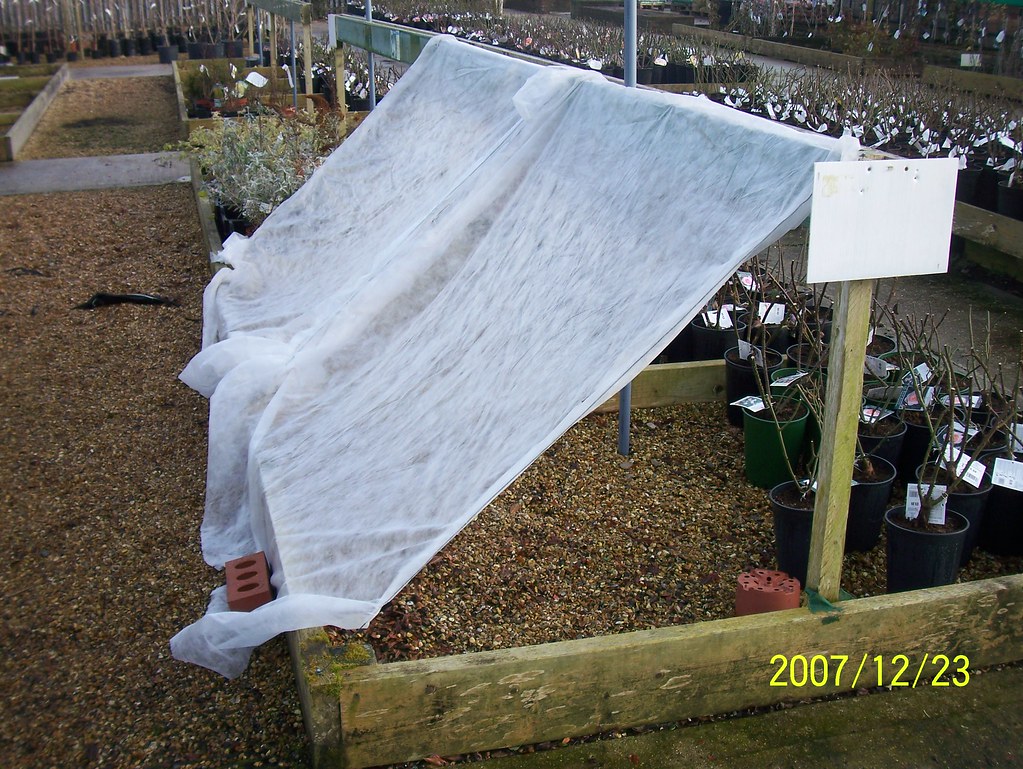
Good options include frost cloth, breathable fleece, or burlap used as a wind buffer. You can also group pots together near a sheltered wall, move containers off cold paving, and use a light cover only during the coldest nights. The point is not to create a plant sarcophagus. The point is to reduce stress.
What to cover, and what to leave alone
| Situation | Better move | Avoid |
|---|---|---|
| Tender annuals in open beds | Use a breathable cover on cold nights, then remove it during the day when temperatures rise | Leaving plastic tight to the leaves |
| Potted plants | Move them to a sheltered spot and raise them slightly off the ground | Letting pots sit in cold runoff or water |
| Evergreen shrubs | Use a windbreak on the exposed side if needed | Wrapping so tightly that air cannot circulate |
For a seasonal reference on timing and general protection, the University of Minnesota Extension’s guide to extending the growing season is useful because it explains how protective covers help when used with the right airflow and the right expectations. Covers are helpful tools. They are not tiny weather gods.
3. Pruning Decisions for Late Season
Late-season pruning is where many gardeners accidentally get a little overconfident. The temptation is to tidy every shrub into a perfect shape before winter. The problem is that heavy pruning can stimulate new growth just when the plant should be settling down for the season.
The safer rule is simple: remove what is dead, damaged, diseased, rubbing, or clearly in the way. Save the dramatic reshaping for the right season and the right plant. Winter prep is a trim, not a makeover show.
Good candidates for late-season pruning
- Broken branches
- Dead stems
- Branches that cross and rub
- Obvious disease or pest damage that should be removed
What to leave alone until later
- Major shaping cuts on healthy shrubs
- Large flushes of soft new growth
- Any plant that flowers on old wood if you are not sure of the timing
- Anything you are tempted to hack at because it “looks busy”
The attached image is a good reminder that careful pruning is about restraint, not speed.
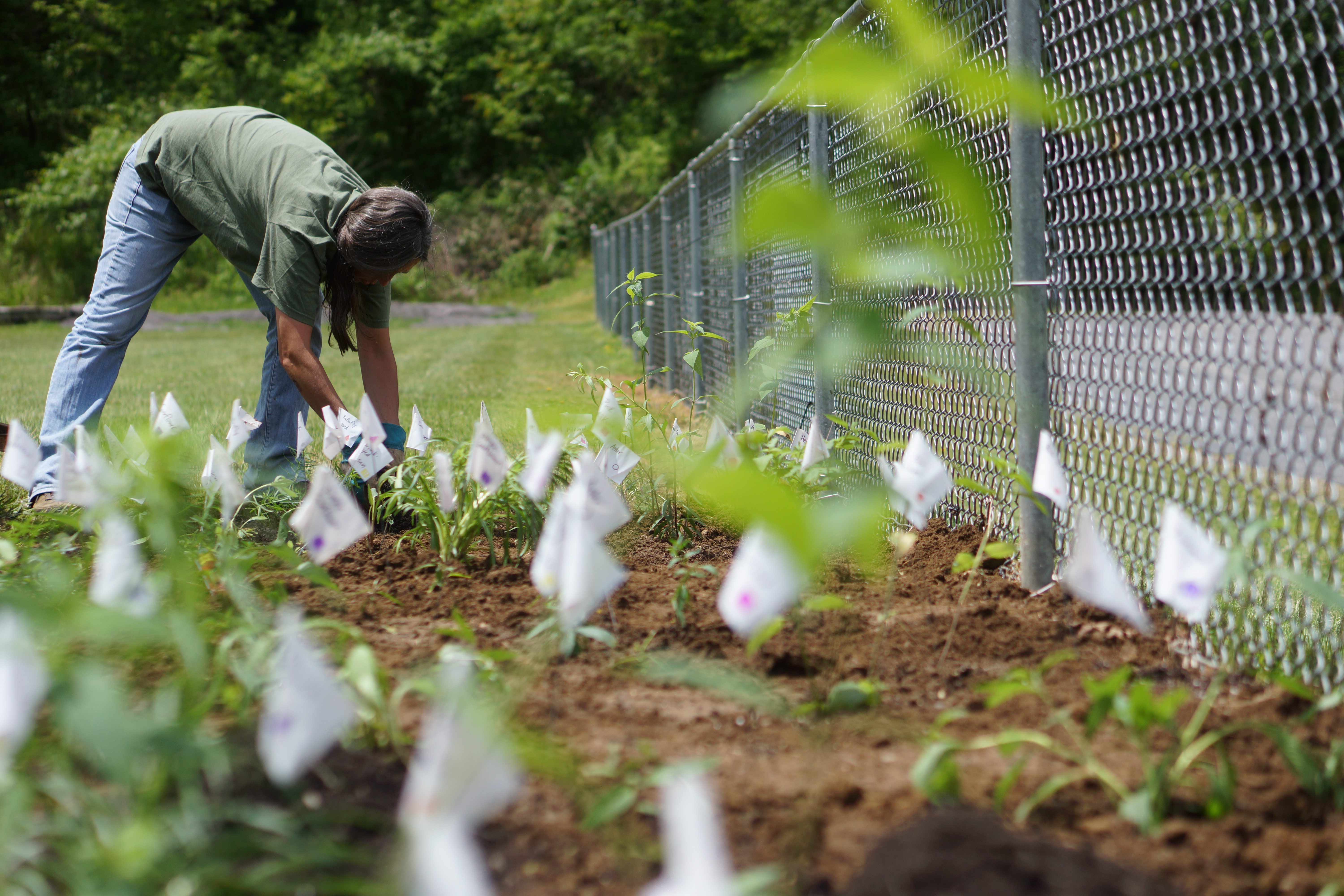
If you need a simple rule of thumb, think of pruning as housekeeping, not demolition. Clean the edges, remove the hazards, and stop before the plant starts looking like it has been through a particularly rude haircut.
4. Reduce Watering Risks
Winter watering is not about giving plants less love. It is about giving them the right amount of water at the right time. Soil that stays too wet can suffocate roots, especially in heavy or compacted ground. Soil that dries out completely can stress roots and make cold damage worse. The balancing act matters.
When in doubt, check the soil itself instead of guessing from the calendar. Stick a trowel or finger a little below the surface. If the top looks dry but the lower soil is still moist, wait. If the root zone is dry, water deeply on a mild day.
Signs you may be overwatering
- Soil stays soggy for days after irrigation or rain.
- Leaves yellow or droop even though the soil is damp.
- Pots have no drainage and the roots smell stale or sour.
- Moss, algae, or fungus shows up where water keeps hanging around.
Signs you may need a deeper drink
- Soil pulls away from the edge of containers.
- Leaves curl, crisp, or look tired on windy days.
- The top layer is dry and the soil beneath is also dry.
- Young plants have not yet developed strong roots.
For a deeper technical read on moisture balance, the University of Minnesota Extension’s page on watering newly planted trees and shrubs explains why mulch helps, why root zones matter, and why too much mulch can become a problem if it is piled right up against trunks. Again: help the plant, do not smother it.
5. Mulch and Leaf Management
Mulch is one of the best low-drama winter tools in the shed. It helps regulate soil temperature, reduce evaporation, and protect roots from quick swings that make plants feel like they are living inside a mood swing. A proper mulch layer is boring in the best possible way.
How much? Usually a few inches, not a decorative dune. Keep mulch away from stems and trunks so the base of the plant can breathe. The root flare should still be visible. If the plant looks like it is wearing a puffy winter coat that has swallowed its neck, the mulch is too high.
How to handle fallen leaves
- Compost them if they are healthy and you can shred them first.
- Use them as a light mulch on beds if they will not mat into a soggy blanket.
- Remove thick layers from lawns because grass under a heavy leaf mat gets grumpy fast.
Leaves are excellent free material, but they need some editing. A thin shredded layer can protect soil and feed compost. A thick wet sheet can block light, trap moisture, and invite fungal problems. The leaf pile has to earn its place.
Here is a simple rule you can steal without guilt: if the leaf layer still lets air move through it, it is probably helping; if it looks like a soggy blanket you would not put on your own bed, it is probably too much.
6. Frost and Wind Considerations
Frost is not just about temperature. It is also about timing, placement, and exposure. A sheltered corner may stay a few degrees warmer than an open bed. A plant near a wall may escape the worst wind. A patio pot may freeze sooner than the same plant in the ground because containers lose heat faster.
That is why winter prep should include some quick site thinking, not only a blanket of mulch and hope. Gardens are little microclimates, which is a poetic way of saying that the plant at the windy corner of the yard is not having the same winter as the plant tucked under the hedge.
Simple windbreak options
- Burlap on stakes for a temporary shield
- Portable screens or panels for exposed beds
- Grouping pots together against a wall
- Moving the most tender containers to the most sheltered side of the property
What frost damage can look like
- Leaf edges turn black or tan
- Soft growth looks watery after a freeze
- Stems collapse or turn limp after a cold snap
- Evergreen foliage looks bronzed, dry, or patchy
One helpful habit is to track local seasonal timing instead of relying on a vague “it should be fine by now” feeling. The calendar is not the boss of weather, but it does give you a decent planning frame. The extension note on November garden tasks is a good reminder that winter prep is really a sequence of small moves, not a single heroic afternoon.
7. A Winter Checklist for Homeowners
Below is the small-but-useful checklist version. The kind you can actually finish without becoming a legend in your own head.
| Task | Why it matters | Quick rule |
|---|---|---|
| Inspect tender plants | Find plants that need protection before the first real cold spell | Move, cover, or group them before they are stressed |
| Check drainage | Prevent water from lingering around roots | Soil should drain, not act like a sponge with commitment issues |
| Prune lightly | Remove damage without forcing fresh growth | Cut hazards, not the whole personality of the plant |
| Mulch correctly | Stabilize soil temperature and conserve moisture | Keep mulch a little away from stems and trunks |
| Water only when needed | Protect root health and avoid rot | Check soil moisture before you reach for the hose |
| Set a windbreak if needed | Reduce drying and mechanical damage | Use the shelter side of the property when possible |
For a seasonal operations note, some property managers and service teams also use a digital workflow to keep winter tasks from disappearing into the abyss of sticky notes and good intentions. In that context, a neutral third-party resource like AI integration services can help connect reminders, photo logs, and task tracking across the tools they already use. The garden still needs human hands. The admin just gets less chaotic.
Your 10-minute winter reset
- Walk the garden once with a slow eye.
- Mark tender plants that need cover or shelter.
- Pull back any mulch that is touching stems or trunks.
- Check whether container plants have drainage.
- Water only if the soil actually needs it.
- Remove broken or diseased growth.
- Gather healthy leaves for compost or light mulch.
- Set up a temporary windbreak if one area is especially exposed.
- Remove protective covers during the day when conditions allow.
- Repeat after the next rain or cold snap, because winter likes reruns.
Conclusion
Winter prep does not need to be dramatic to be effective. In fact, the less overblown it is, the better it usually works. The winning formula is modest: protect tender plants with breathable covers, prune with restraint, water by soil condition instead of habit, and use mulch like a well-behaved assistant rather than a swamp factory.
If you remember only one thing, make it this: the best winter care helps the plant adapt to the season instead of trying to bully the season into changing. That is where the boring magic lives, and the boring magic is usually the part that works.
If you want to keep exploring practical garden guidance, head back to the homepage, browse the publications, or contact the team when the garden needs a steadier hand than your weekend schedule can provide.
For container plants, one extra winter habit helps a lot: lift pots onto feet or simple stands so drainage holes do not sit in a puddle after rain. That small gap keeps roots from turning into damp noodles, which is not a horticultural term but probably should be.
Key takeaways:
- Winter slows plant growth, so watering and pruning need a lighter touch.
- Breathable covers and shelter work better than wet, sealed wraps.
- Drainage matters as much as protection because soggy roots are winter’s favorite trap.
- Mulch and leaves can help if they are kept in the right amount and in the right place.
- A short checklist keeps the work manageable and prevents avoidable mistakes.