
Happy Fall! What to Plant This Season for Color and Harvest
Fall is a good season to plant with intent. The soil is still warm, the air is less punishing than high summer, and new roots usually establish with less stress. That combination matters if you want a garden that keeps some colour, gives you useful harvests, and does not become a maintenance argument by November.
For Costa del Sol gardens, the safe baseline is simple: choose plants by exposure first, water demand second, and planting speed third. If you would rather start with the broader service picture, the home page explains how we approach practical outdoor care, and the publications page collects more seasonal notes.
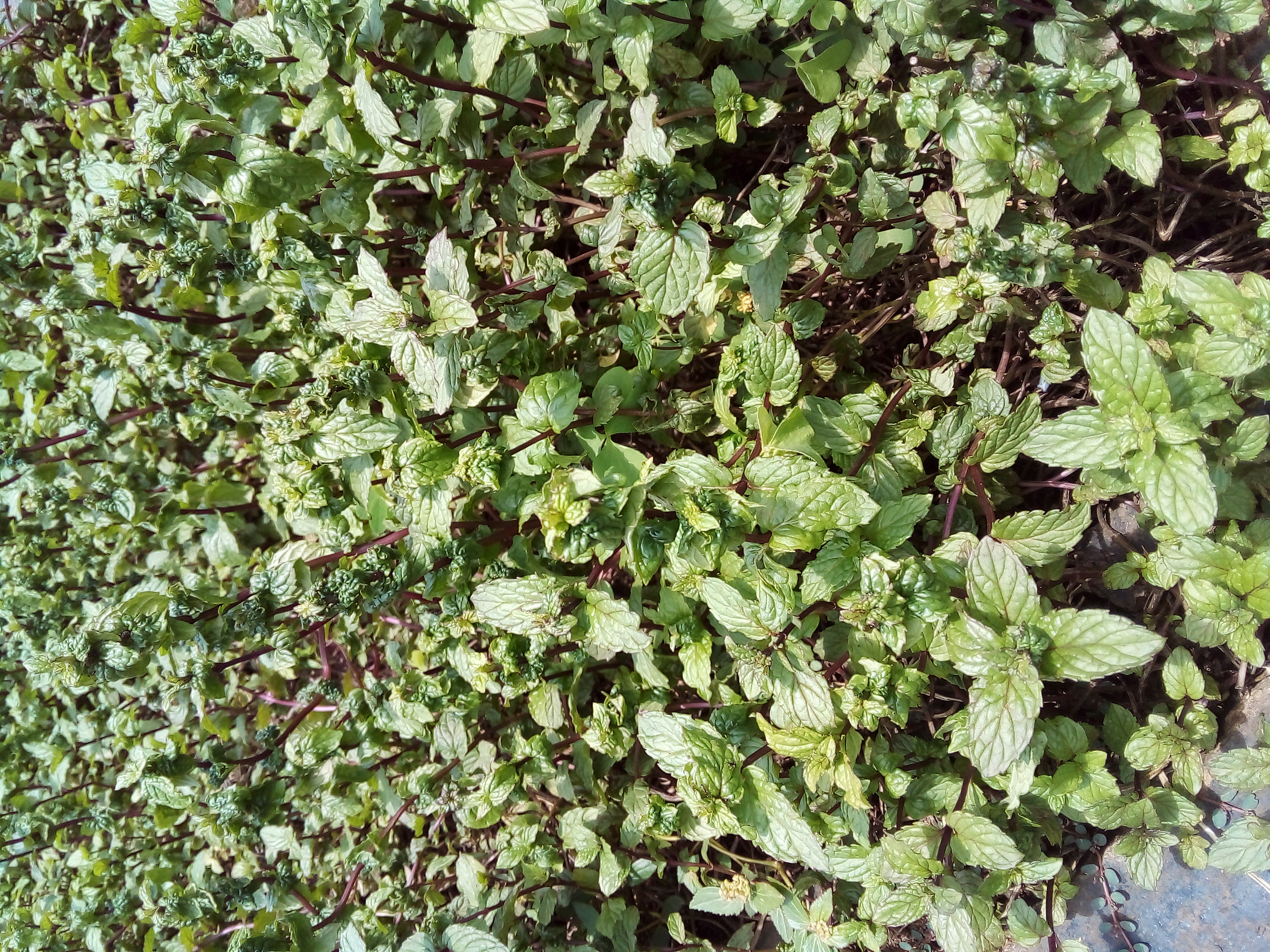
How to choose plants without creating extra work
Before you buy anything, check three conditions on the planting spot:
- Sun exposure: cool-season edibles such as lettuce, rocket, spinach, parsley, and coriander cope better with gentle sun or part shade than with reflected afternoon heat.
- Water rhythm: group thirsty plants together. Do not mix rosemary, thyme, and lavender with bedding flowers that need regular moisture unless they are in separate containers or irrigation zones.
- Timing: plant early enough to give roots time to settle before colder nights and heavy rain arrive. Fall planting rewards prompt action more than heroic last-minute rescuing.
If you are unsure where to begin, choose one planting area and keep the palette disciplined. A small bed with three dependable flower types and two edible crops usually performs better than a scattered collection of ten experiments. The garden does not need more drama. It already has weather for that.
Best options for fall colour
The most dependable autumn colour usually comes from a mix of bedding plants, compact shrubs, and one future-looking layer such as spring bulbs.
- Pansies and violas: useful for containers, entrance pots, and bed edges where you want immediate colour without tall growth.
- Cyclamen: a strong option for bright shade or sheltered terraces where you need compact colour through the cooler months.
- Calendula: practical if you want flowers that also feel at home beside edible crops.
- Salvia leucantha or late salvia varieties: good for adding height and a longer shape to a border that still receives sun.
- Dwarf shrubs or evergreen structure plants: use these as anchors so the planting still looks deliberate after the first flush of flowers fades.
- Bulbs for the next season: if your soil drains well, fall is the time to add daffodils or other spring bulbs instead of trying to remember the job too late.
If you want a longer list of bedding ideas, the Royal Horticultural Society has a useful guide to plants for autumn bedding, and Penn State Extension has a concise note on why pansies are effective in cool weather.
Herbs and edible crops that suit fall schedules
For harvest value, lean toward herbs and leafy crops that establish quickly and do not demand summer-level heat. Good fall choices include parsley, coriander, chives, thyme, lettuce, rocket, spinach, spring onions, radishes, and Swiss chard.
- For sunny pots: parsley, thyme, chives, and coriander make a practical herb group.
- For part-shade beds: lettuce, rocket, spinach, and chard usually stay more tender when they avoid the harshest late-day sun.
- For narrow spaces: spring onions and radishes are efficient fillers between slower crops or young shrubs.
The Royal Horticultural Society offers a month-by-month autumn food-growing guide, and University of Minnesota Extension keeps a straightforward reference on growing herbs in home gardens. Both are useful when you want to sense-check timing and exposure before planting.
Planting tips for establishment, spacing, and watering
New fall planting fails less from cold than from bad setup. Use this sequence:
- Water the root ball before planting if it is dry.
- Loosen the surrounding soil so new roots can move sideways, not just downward.
- Plant at the same depth the plant had in its pot.
- Leave honest spacing. Tight spacing looks full on day one and cramped by week six.
- Water deeply after planting, then repeat often enough to keep the root zone evenly moist while the plant settles.
For containers, drainage matters more than optimism. Use fresh potting mix, keep saucers from staying waterlogged after rain, and avoid forcing Mediterranean shrubs to share a pot with moisture-loving annuals. That is a predictable failure mode.
Mulch and weed control strategy
After planting, mulch is the quiet worker that keeps the plan together. A moderate organic mulch layer helps conserve moisture, reduces weed pressure, and stops bare soil from looking abandoned between young plants. The University of California Agriculture and Natural Resources program has a solid overview of mulch and weed management in landscape beds.
- Keep mulch a short distance away from stems and crowns.
- Pull perennial weeds before you mulch, not after.
- Use finer mulch in small herb beds and heavier bark-style mulch in larger ornamental borders.
- Top up only where the layer has thinned; do not bury plants every month in the name of tidiness.
A simple layout idea for small gardens
If you have a modest patio or one compact planting bed, use a three-zone layout:
- Back row: one or two evergreen structure plants or taller salvias for shape.
- Middle row: seasonal colour such as pansies, violas, or cyclamen.
- Front row or pots: edible herbs and quick crops like parsley, coriander, rocket, or lettuce.
This arrangement gives you a cleaner visual hierarchy, easier watering decisions, and a clearer recovery path if one section underperforms. It also works well near seating areas where herb pots can be reached without walking through the whole bed.
Maintenance calendar until winter
| Period | Priority task |
|---|---|
| Week 1 after planting | Check moisture, replace any failed transplants quickly, and keep containers draining freely. |
| Weeks 2 to 4 | Weed lightly, deadhead spent flowers, and harvest herbs often enough to keep them compact. |
| Late fall | Top up mulch where needed, reduce watering frequency after rain, and watch shaded spots for mildew or soft growth. |
| Before winter weather turns rough | Move delicate pots to shelter, clear blocked drains, and decide which beds need structural pruning later rather than impulsive cutting now. |
A fall garden does not need to be complicated to work well. It needs a minimum safe setup: the right exposure, grouped water needs, realistic spacing, and a short maintenance routine you can actually keep. If you want help planning seasonal planting for a property on the coast, use the contact page before the next planting window narrows.