Un Bancal Como Nuevo: How to Revive a Tired Garden Bed (Fast, Practical Steps)
Fast garden bed reset for flower and vegetable spaces that look tired, compacted, or messy
A neglected bed can look like a full garden tragedy, but most of the time it is just four problems wearing one dramatic costume: weeds, tired soil, bad edges, and a watering routine that forgot what season it is.
The usual questions arrive fast: Is this bed worth saving? Do I pull every weed or smother them? How much compost is enough? What should go back in once the space looks less like a botanical shrug? As Gertrude Jekyll put it, “The love of gardening is a seed once sown that never dies.” Helpful news, because a tired bed is rarely the end of the story.
A worn-out bed matters for more than looks. Weeds steal water and light, compacted soil slows root growth, and weak mulch invites the next round of chaos. Guidance from the Royal Horticultural Society on weeds, the U.S. Environmental Protection Agency on composting at home, and UC IPM weed management notes points to the same boring magic: improve the soil, reduce weed pressure, and fix the system instead of chasing symptoms.
In this guide, I will walk through the exact reset order: assess the bed, remove weeds without making more work, rebuild the soil surface, sharpen the edges, choose plants by exposure, set watering back on sensible terms, and run a 30-day follow-up so the bed stays revived instead of relapsing by next Tuesday.
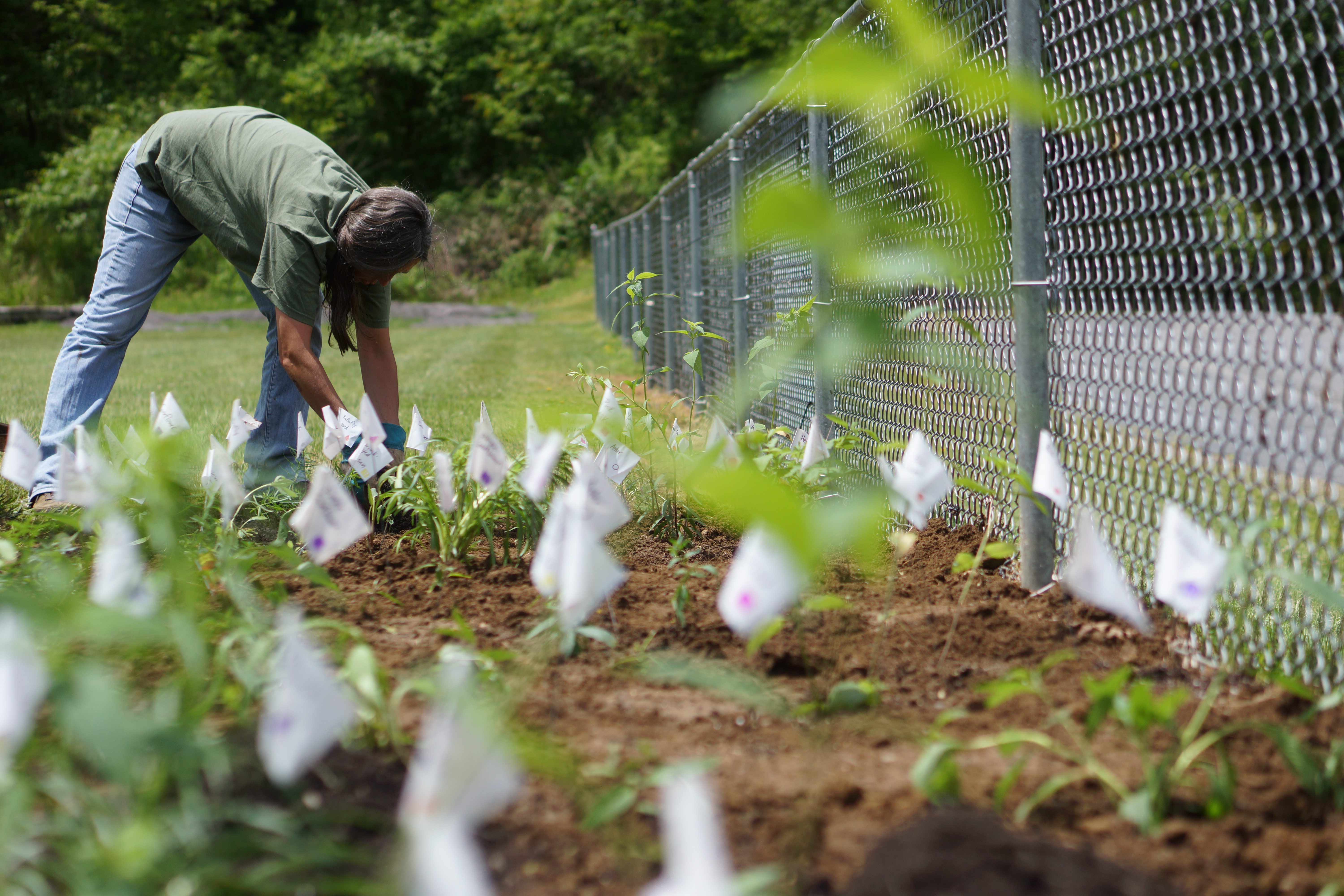
What “reviving a bed” actually means
Before we start tossing compost around like confetti, it helps to define the job. A bed needs reviving when the structure is still usable but the surface system has broken down. That usually means the shape is fine, the location still works, and the main fix is maintenance-level renovation rather than full excavation.
- Tired bed: weeds are competing, soil has gone crusty or compacted, mulch has disappeared, and planting looks thin or uneven.
- Revive: improve what exists without starting from bare ground unless there is a clear drainage or contamination problem.
- Reset order: assess, weed, open the soil surface, feed it, level it, edge it, mulch it, then plant.
- Fast result: the bed looks cleaner within a day, but the real recovery happens over the next month.
If the bed floods every time it is watered, sits in deep shade when you want sun crops, or has serious perennial weed infestation through the entire root zone, the honest answer may be redesign rather than revival. For most everyday beds, though, a smart reset is enough.
Assess first: sun, drainage, weeds, and soil condition
If I skip the assessment, I usually end up doing the same work twice, which is a very efficient way to waste a Saturday. Take ten minutes before touching anything. The point is not to admire the mess; the point is to decide what kind of mess it is.
| What to check | What you are looking for | What it changes |
|---|---|---|
| Sun exposure | Full sun, part shade, reflected heat, or a wall that traps warmth | Determines plant choice, mulch depth, and irrigation frequency |
| Drainage | Water pooling, heavy clay feel, or soil that stays wet below the surface | Tells you whether to lighten the surface, reshape the grade, or hold off on planting |
| Weed pressure | Seed weeds, runners, taproots, or one heroic weed family reunion | Changes whether you hand-pull, hoe, sheet-mulch, or phase the cleanup |
| Soil surface | Crusting, compaction, no organic matter, uneven low spots, exposed roots | Sets the compost, aeration, and leveling plan |
Take photos now if you want a before-and-after record, but do not invent miracles later. A revived bed should look cleaner, healthier, and more intentional, not like it was teleported into a magazine spread overnight.
A simple test helps with drainage: water a small patch and come back in 20 to 30 minutes. If the surface is still glistening and sticky, do not rush to plant densely. Fix infiltration first. If the water sinks in but the surface dries to a hard crust, that is often a compost-and-mulch problem more than a catastrophe.
Weed removal strategy: what to do and what to avoid
Weeding is where good intentions often become extra labor. The goal is not to create a perfectly sterile bed. The goal is to remove enough competition that the soil and future planting can breathe again.
Start with the biggest offenders. Pull tall seed-setting weeds first so they stop dropping future headaches into the bed. Then work by weed type:
- Shallow annual weeds: hoe or hand-pull while the soil is slightly moist.
- Taproot weeds: loosen around the crown first so you do not snap the root and leave the business end in place.
- Running weeds: follow the runners patiently and remove as much of the chain as possible.
- Dense infestation: clear the worst growth, then use compost plus mulch to suppress regrowth rather than trying to win by rage alone.
What to avoid: do not rototill a weed-infested bed unless you are certain you are not chopping perennial roots into a thousand future appointments. That is not bed revival; that is weed multiplication with enthusiasm.
Bag or bin weeds that have mature seed heads or disease symptoms. Healthy green material can go into a managed compost system, but problem weeds should not get a free second life. Once the worst of the weed layer is gone, rake lightly so you can see the bed shape again. That visual reset matters because it tells you where to correct the edges and grade.
Soil improvement: compost, aeration, and leveling
This is the part that makes the bed look better now and grow better later. A thin, thoughtful soil improvement pass beats aggressive digging in most established beds. I treat the surface like a tired mattress: it usually needs opening, support, and smoothing, not a demolition crew.
Step 1: aerate lightly. Use a hand fork or narrow cultivator to loosen the top few inches where the soil has sealed over. Stay gentle around existing roots. The goal is to create channels for air and water, not to flip the whole profile upside down.
Step 2: add compost. Spread a moderate layer across the bed, usually around 2 to 5 cm depending on how depleted the surface looks. Compost improves texture, encourages biological activity, and softens the transition between tired soil and fresh planting. The EPA composting guidance linked above is useful if you are building your own supply instead of buying finished compost.
Step 3: level the surface. Use a rake to pull compost into low spots, soften little mounds, and create a clean planting plane. This is also the moment to keep soil from touching trunks, crowns, and stems. Plants do not need mulch volcanoes. They need air.
If the bed has obvious nutrient issues, poor structure, and no sign of organic matter, you can repeat a lighter top-dress again later in the season instead of overloading it all at once. Slow improvement is still improvement, and it usually causes less chaos.
Re-edge and re-mulch for a clean look
Clean edges are the haircut of the garden world. They do not solve everything, but they make everything look more intentional very quickly. Once the soil is improved and roughly level, cut the edge line back into shape. Remove grass creep, tidy spilled soil, and keep the line consistent rather than wavy and apologetic.
Now add mulch. A fresh mulch layer does three useful jobs at once: it calms surface evaporation, reduces new weed germination, and turns a rough bed into something that looks maintained instead of abandoned. The mulch layer should usually sit around 5 to 7 cm deep once settled.
- Keep mulch off stems and trunks: leave a little breathing ring around the plant base.
- Use one consistent material when possible: mixed scraps can make the bed look accidental.
- Finish the visible edge last: it gives the bed the crisp line your eye reads first.
The visual difference here is usually huge, which is why people assume mulch is cosmetic. It is not. It is cosmetic and functional, which is the best category of garden work. One material doing two jobs? I support that emotionally.
Planting plan: choose plants by exposure, not optimism
Once the bed is clean, there is a strong temptation to buy whatever looks cheerful at the garden center and negotiate with reality later. Reality rarely signs that contract. Match the planting to the exposure you observed at the start.
| Exposure | Good direction | Watch out for |
|---|---|---|
| Full sun | Mediterranean herbs, sun-loving flowers, tough edibles, heat-tolerant structural plants | Crowding the bed too fast and forcing daily watering |
| Part shade | Leafier greens, softer foliage plants, flowering choices that do not demand all-day sun | Using hot, dry-soil species that sulk without enough light |
| Mixed bed | Place taller, tougher plants on the hot side and thirstier or softer plants where shade arrives first | Treating the whole bed as one microclimate when it clearly is not |
If the bed mixes ornamentals and edibles, keep the layout practical. Put repeat-harvest crops or herbs where you can reach them without stomping the bed. Keep larger shrubs or statement plants at the back or anchor points so the structure reads clearly. Empty space at planting time is not failure. It is room for the plants to become adults.
For broader service help around layout, maintenance, and planting choices, the home page outlines the type of garden and pool maintenance work available on the site, and the publications page collects related practical guides.
Two realistic reset examples
Examples help because “revive the bed” is easy to say and annoyingly vague in practice. Here are two common situations that respond well to the same overall method.
Example 1: the flower border that looks exhausted by heat
The usual symptoms are faded annuals, bare soil between survivors, weeds in the gaps, and a crusty top layer that sheds water at first contact. In that case, I would clear the spent material, keep any healthy structure plants, open the top layer lightly, add compost, reset the edge, mulch, and replant with a smaller palette instead of ten unrelated impulse buys. The “after” is not dramatic because every plant is new. It is dramatic because the bed finally has rhythm again: repeated shape, cleaner spacing, and soil that is not left exposed like an unpaid bill.
Example 2: the vegetable bed that still exists but has lost the plot
This is the bed with old roots, volunteer seedlings, one corner producing nicely, and another corner growing mostly regret. Here the priority is access and soil surface. Remove finished crops and obvious weeds first, then level the bed so watering distributes evenly. Add compost, refresh mulch paths or edge lines, and only replant what suits the current light and season. A half-full vegetable bed with good spacing usually performs better than a packed bed where every plant is competing from day one.
Both examples share the same rule: restore function first, then add beauty or productivity back in. A bed that drains, holds mulch, and gets sensible watering will look better almost automatically.
Watering setup after the reset
A freshly revived bed needs a calmer watering routine, not a panic routine. Water deeply right after planting or mulching so the surface settles and roots make contact with the improved soil. After that, switch to observation.
- Day 1: water thoroughly to settle compost, soil, and new planting.
- Days 2 to 7: check moisture below the surface instead of watering automatically every day.
- Week 2 onward: reduce frequency if the bed is holding moisture under mulch.
- After rain: pause scheduled irrigation and inspect how long the soil actually stays damp.
If the bed uses drip irrigation, check emitter coverage before declaring victory. Half the problems blamed on “bad plants” are really patchy watering in a decent disguise. If it is a hand-watered bed, slow down enough to soak the root zone rather than wetting the top and walking away pleased with yourself.
One reliable rule: newly revived does not mean permanently thirsty. Overwatering after a reset can undo the benefits of aeration and compost surprisingly fast.
Common mistakes that make a bed look tired again
Most failed revivals do not fail because the gardener chose the wrong compost brand. They fail because the follow-through gets sloppy. The bed looks better immediately, so the next steps feel optional. They are not.
- Leaving the old edge in place: the soil may be improved, but the bed still looks messy from the path or terrace.
- Mulching too thinly: you did the job, but the weeds did not receive the memo.
- Mulching too thickly against stems: roots need moisture; crowns and trunks need airflow.
- Replanting too densely for an instant finish: the bed looks full for ten minutes and crowded for six months.
- Keeping the old watering schedule: a revived, mulched bed usually needs a different rhythm than the tired one it replaced.
- Ignoring the second weed flush: the first clean-up is the opening scene, not the finale.
When a bed slides backward, it usually does so in a very predictable order: first the weeds return in the bare spots, then the mulch thins out, then watering becomes inconsistent, then the plants start to look “mysteriously” unhappy. There is no mystery. The system is simply asking for maintenance again.
Maintenance schedule for the next 30 days
The first month is where the bed decides whether this was a revival or just a very photogenic afternoon. Keep the follow-up simple and repeatable.
| Timing | What to do | Why it matters |
|---|---|---|
| Day 1 | Water in, check edges, remove any missed weed crowns | Locks in the initial reset and prevents immediate backsliding |
| Days 3 to 7 | Inspect for settling, exposed roots, and irrigation misses | Catches the small faults before they become plant stress |
| Week 2 | Pull new weed seedlings, top up thin mulch spots, monitor plant recovery | Stops the second weed wave and keeps the bed looking finished |
| Week 3 | Adjust watering frequency based on actual moisture under the mulch | Prevents both drought stress and soggy root zones |
| Week 4 | Light tidy-up, replace any clear failures, and note what still needs redesign | Turns the reset into a stable maintenance routine |
If you are still seeing large bare patches, standing water, or repeated collapse in the same area after four weeks, that is useful information. It means the bed was not just tired; it was telling you about a deeper issue such as drainage, soil structure, or plant mismatch.
Quick revive checklist
- Check sun, drainage, weed type, and soil condition before touching the bed.
- Remove major weeds first, especially anything setting seed.
- Loosen only the top layer if the surface is compacted.
- Top-dress with compost and rake the bed level.
- Re-cut the edge line so the bed reads clearly from a distance.
- Apply a clean mulch layer 5 to 7 cm deep, keeping it off stems and trunks.
- Choose plants by exposure and spacing, not by checkout-lane optimism.
- Water deeply once, then monitor moisture under the mulch before watering again.
- Run weekly checks for 30 days to catch weeds, dry spots, and settling early.
That is the fast version with staying power. A revived bed should not feel complicated. It should feel like the same space, but finally working with you instead of against you. If you want a professional reset or help evaluating a stubborn problem area, use the contact page. If you want more practical reading first, go back to the homepage or browse the rest of the publications.