Top 5 Common Gardening Mistakes and How to Avoid Them
Gardening fails for boring reasons. Too much water. Bad soil. Wrong timing. People keep looking for a dramatic culprit, but the plant usually dies from a dull chain of mistakes that nobody bothered to check. If you want healthier growth, start with the basics and rule out the obvious nonsense first.
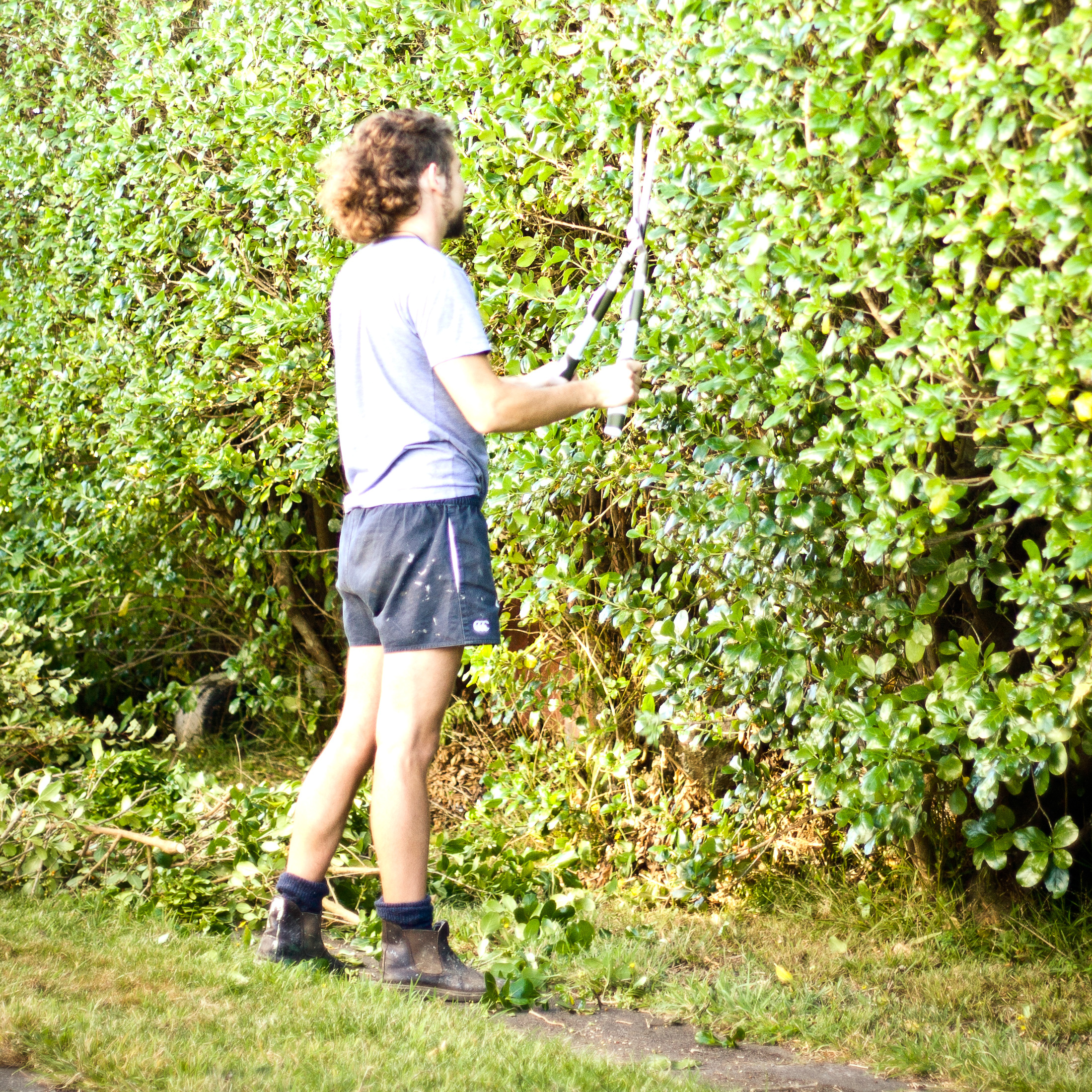
1. Overwatering or underwatering
Watering mistakes are common because they are invisible at first. Leaves droop, yellow, or crisp up, and the reflex is to add more water. That may be exactly wrong. Roots need both moisture and air, not a permanent swamp with ambition.
- Too much water: soggy soil, yellow leaves, weak roots, fungus problems.
- Too little water: dry soil, curled leaves, stunted growth, brittle edges.
- Mixed signals: the surface looks dry while the root zone is still wet.
How to avoid it: check the soil 5 to 10 cm below the surface before watering again. Water deeply and less often rather than dribbling a little every day. For container plants, make sure drainage holes are actually doing their job. Decorative pots with trapped water are just slow-motion sabotage.
For practical watering guidance, the Royal Horticultural Society’s advice on watering and soil moisture is a useful baseline: RHS watering guidance.
2. Ignoring soil health
Bad soil causes a long list of problems that people misread as “fussy plants.” In reality, the soil may be compacted, low in organic matter, or out of balance. Plants don’t feed on hope. They feed on what the root zone can hold, drain, and supply.
If your garden keeps underperforming, rule out the boring thing: soil structure. Clay that stays wet, sand that loses water too quickly, and tired beds with no organic matter all create different failures with the same smug expression.
- Test the soil pH if plants look hungry despite feeding.
- Mix in compost or well-rotted organic matter regularly.
- Avoid walking repeatedly on planting beds and compacting the root zone.
- Mulch bare soil to hold moisture and protect biology.
For a straightforward primer on soil tests, see the University of Massachusetts soil testing overview: UMass Soil and Plant Nutrient Testing Laboratory.
3. Planting at the wrong time
Timing matters more than enthusiasm. A plant installed in the wrong season has to spend energy surviving the weather instead of growing. That is not a mystery; it is a scheduling error with roots.
Common examples include planting tender annuals too early, moving shrubs during a heat spike, or sowing seeds when the soil is still too cold or too dry. The result is often poor establishment, delayed flowering, or a plant that never really catches up.
- Check the last frost date and local temperature patterns before planting.
- Match the plant to the season: cool-season crops in cool weather, heat lovers when soil and air are warm.
- Give transplants time to establish before extreme heat or cold.
If you want a reference for planting calendars and crop timing, Cornell Cooperative Extension has reliable guidance: Cornell planting schedules.
4. Neglecting pest control
Pests are easier to manage early. Ignore them and you get damage, then stress, then more damage. The garden does not “sort itself out” just because you hope intensely enough.
Look for the first signs: chewed edges, distorted new growth, sticky residue, black sooty mold, or clusters of insects under leaves. Catching the problem at the symptom stage is cheaper than waiting for the full infestation parade.
- Inspect plants weekly, especially the undersides of leaves.
- Remove heavily affected leaves or stems where practical.
- Encourage beneficial insects by avoiding broad-spectrum sprays unless necessary.
- Use the least aggressive control that solves the actual problem.
The University of California Integrated Pest Management program is one of the best practical references available: UC IPM.
5. Skipping regular observation
This is the quiet mistake underneath the other four. People treat gardening like a one-time setup instead of a living system. Then they are surprised when plants respond to weather, water, pests, and soil conditions. The plants were not being dramatic. They were being plants.
A quick walk through the garden every few days is enough to catch trouble early. Look at leaves, stems, soil moisture, drainage, and new growth. Small corrections made early are easier than heroic repairs later.
If you want a broader starting point for the site’s services and approach, see the services page and the blog index for more practical gardening guidance. You can also return to the home page for the main site overview.
Conclusion
Most gardening mistakes are not exotic. They are repeatable, predictable, and fixable if you stop guessing. Check water, soil, timing, pests, and routine observation before you buy another product or blame the plant. The problem is usually closer to the surface than people want to admit.