6 Plants That Help Support Bladder Health: How to Use Them in Your Garden
6 garden-friendly plants for infusion use
The list below is deliberately practical rather than exotic. Every plant here can be grown in Mediterranean conditions with the right placement, or adapted to containers if your space is limited.
1. Flat-leaf parsley
Why it appears in infusions: Parsley is familiar, fresh-tasting and widely used in kitchen traditions, so it is an easy entry point if you want a green, light infusion without buying a specialist herb.
How to grow it: Parsley handles full sun in cooler months and benefits from light afternoon shade in peak summer. Give it fertile, free-draining soil and steady moisture rather than feast-or-famine watering. In containers, choose a pot with more root depth than you think you need and keep the compost open, not dense.
Harvest and storage: Cut outer stems first, ideally in the morning after the leaves have dried. Fresh parsley loses quality quickly, so use it promptly, refrigerate it for short holding, or freeze chopped leaves for kitchen use. Drying is possible, but the flavour becomes flatter.
Simple infusion idea: Use fresh parsley leaves on their own or with a strip of lemon peel for a cleaner flavour.
2. Celery leaf
Why it appears in infusions: Celery leaf brings a savoury, green note. It is less floral than many herb infusions, which can be an advantage if you want something that tastes like a kitchen plant rather than a perfume counter.
How to grow it: Celery leaf prefers richer soil and more regular moisture than parsley. Morning sun with afternoon shade is usually the better fit on the Costa del Sol. Keep the soil evenly moist but never stagnant, and give container plants enough width because cramped roots push celery into stress quickly.
Harvest and storage: Take the outer leaves first so the centre keeps growing. Harvest before heat stress makes the leaves stringy. Celery leaf stores best for a short period in the refrigerator; if you dry it, do it in a well-ventilated spot and expect a milder final aroma.
Simple infusion idea: Pair celery leaves with parsley for a softer, savoury-green cup.
3. Dandelion leaves
Why it appears in infusions: Dandelion has a long culinary and herbal tradition, and the leaves bring a pleasant bitterness when harvested young. That bitterness is either a feature or a complaint, depending on your taste.
How to grow it: In Mediterranean gardens, dandelion often arrives without an invitation. If you choose to keep it, give it sun or light shade and soil that drains well enough to avoid rot. It is easier to manage in a contained patch or large pot if you do not want volunteers spreading through every bed.
Harvest and storage: Take younger leaves for a milder flavour and older leaves only if you are comfortable with more bitterness. Dry leaves in a thin layer with airflow, or freeze them for later kitchen use. Keep harvested leaves clean and dry before storing.
Simple infusion idea: Combine young dandelion leaves with a little citrus peel to soften the edge.
4. Nettle
Why it appears in infusions: Nettle is commonly used in herbal traditions and has an earthy, green profile that many people blend with gentler herbs. It is useful, but it does demand respect from your hands.
How to grow it: Nettle likes richer soil, more moisture and some shelter from the hardest afternoon heat. It is not the best fit for a very dry ornamental border, but it can work in a contained corner with better soil and regular watering. In many gardens it is wiser to grow it in a dedicated container or bounded patch so it does not become the loudest tenant in the bed.
Harvest and storage: Wear gloves and cut young tops or fresh leaves before the plant gets coarse. For storage, drying is the easiest option; some gardeners briefly blanch leaves before kitchen use, but for simple infusion planning the main point is to handle and dry them safely.
Simple infusion idea: Nettle works well with mint if you want the earthy note without making the whole cup taste like a hedge.
5. Corn silk from sweet corn
Why it appears in infusions: Corn silk is a seasonal, garden-to-kitchen option that some readers overlook because they think only in terms of leaves. If you already grow sweet corn, it is one of the simplest ways to use more of the plant.
How to grow it: Corn needs full sun, warmth, feeding and more space than the other plants in this list. Grow it in a block rather than a lonely single row so pollination works properly. In Marbella or Estepona, it is best suited to a productive bed with reliable summer watering, not a tiny decorative pot.
Harvest and storage: Collect clean silk when the ears are developing and before it turns tired and brown. Dry it thoroughly in a well-aired place, then store it airtight and away from humidity.
Simple infusion idea: Use dried corn silk on its own or blend it with a mild mint leaf for a more rounded flavour.
6. Spearmint as the warm-climate substitute
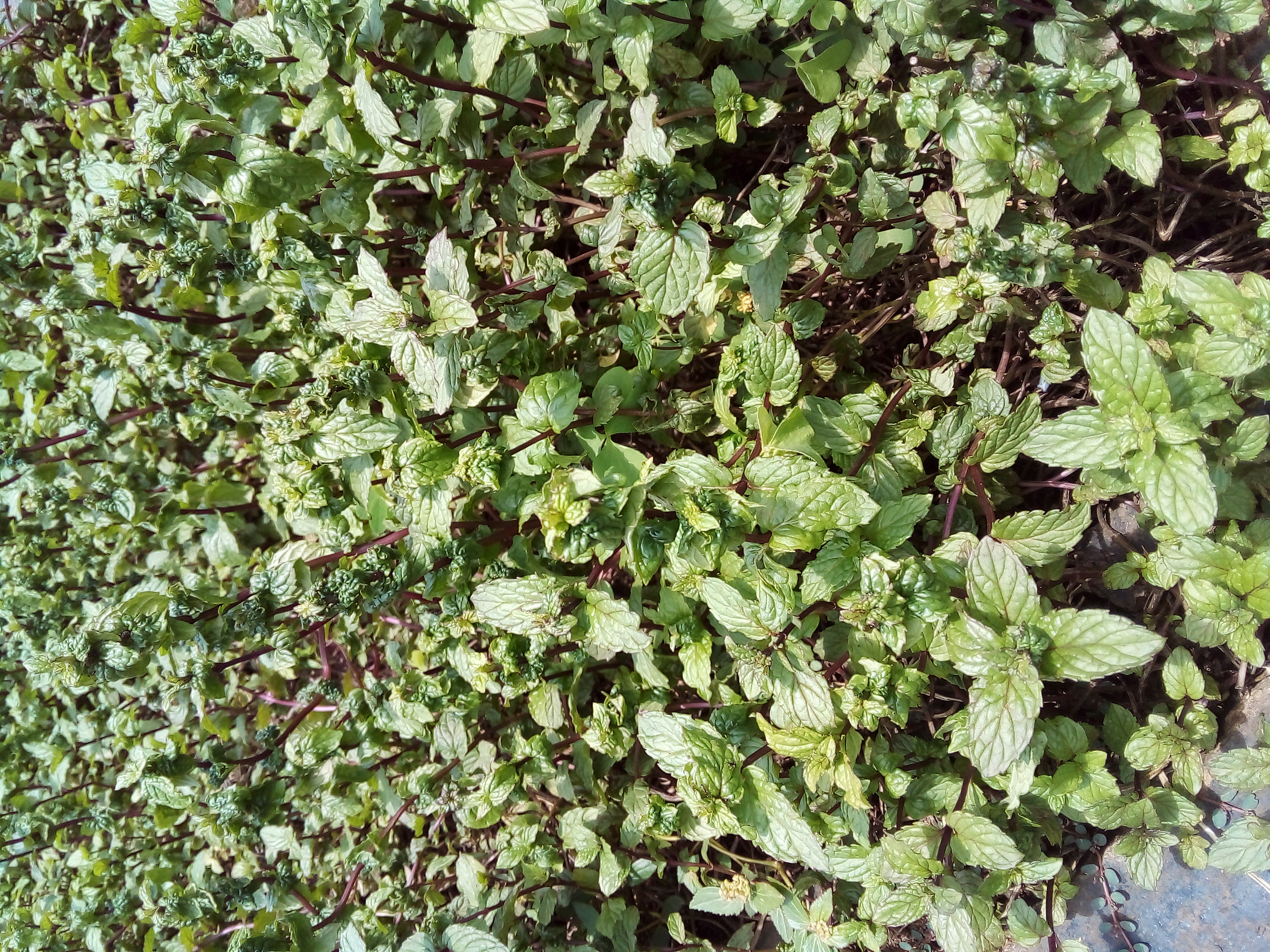
Why it appears in infusions: Wintergreen is not a reasonable default for most Marbella gardens, so spearmint is the safer substitution. It is familiar, aromatic and actually wants to live in a Mediterranean garden, which is more than can be said for many wish-list herbs.
How to grow it: Spearmint likes moisture, regular feeding and partial protection from brutal afternoon heat. In the ground it spreads quickly, so a pot or contained planter is usually the better option. Give it bright light or morning sun, rich but draining soil, and consistent watering.
Harvest and storage: Harvest tips and young stems before flowering for the cleanest flavour. Use fresh stems quickly, or hang small bunches to dry in shade with good airflow. Once fully dry, store the leaves in a sealed jar away from sun.
Simple infusion idea: Spearmint is the flexible mixer in this list: good on its own, helpful with nettle, and useful when dandelion turns more bitter than expected.
Mini checklist: set up a tea herb corner
- Choose one watering zone instead of scattering herb pots all over the property.
- Use free-draining soil mixes and containers with actual drainage holes, not optimistic decoration.
- Start with two reliable plants such as parsley and spearmint, then add celery leaf or corn only if your space supports them.
- Label harvest dates so you know what is freshest and what should move to the kitchen first.
- Keep one shaded drying spot ready before the first large harvest arrives.
Common mistakes
- Overwatering: many tea herbs want consistency, not permanently wet roots.
- Wrong soil and poor drainage: heavy, compacted mixes make roots weak fast, especially in containers.
- Choosing the wrong plant for the exposure: celery in brutal reflected heat and mint in a tiny black pot rarely ends well.
- Harvesting too late: older leaves are tougher, more bitter and less aromatic.
- Ignoring spread and vigour: mint, nettle and dandelion all need boundaries unless you enjoy avoidable negotiations with the rest of the garden.
- Storing half-dry material: if leaves or silk are not fully dry before jarring, quality drops quickly.
The best fit depends less on the idea of the herb and more on the conditions you can maintain. If you want help planning a productive herb corner, improving drainage, or fitting a kitchen-garden area into an existing maintenance routine, use our contact page. For more garden-first guides, keep browsing the publications archive.