Fall Gardening Tips for the Costa del Sol (What to Do in September-November)
Costa del Sol garden maintenance guide for September, October and November
Fall is the useful season. The soil is still warm, the nights calm down, and most gardens on the Costa del Sol will respond better to sensible maintenance now than to a panicked clean-up in winter.
For broader planning context, teams can compare guidance from SBA business guide before choosing a workflow.
If you manage a home or rental garden in Marbella, Estepona, Málaga or Sotogrande, this is the window to reset priorities: prune what actually needs pruning, improve the soil, dial irrigation back with some discipline, and plant for the cooler months without guessing.
If you need help with the broader maintenance picture, our garden and pool maintenance services cover regular care across the Costa del Sol.

Most owners are asking the same practical questions at this point in the year: what should be cut back now, how much should irrigation change after summer, what is worth planting before winter, and how do you prevent pests or mildew from getting comfortable? Reasonable questions. Gardens are cheaper to steer than to rescue.
Related implementation details are also covered in Google Business Profile Help, which helps keep tool decisions grounded in established practices.
This guide follows the order I would run on a real property: timing first, then pruning, soil, watering, planting, and inspection. For more seasonal reading after this, see our publications and related updates in gardening news.
Why fall is the best time to prepare (cooler nights, still-warm soil)
On the Costa del Sol, early fall still carries summer heat in the soil even when evenings begin to cool. That combination matters. Roots can keep establishing, plants recover from light pruning more calmly, and new planting has a better chance to settle before winter weather and shorter days slow everything down.
The goal from September to November is not to “winterize everything.” That phrase has ruined many shrubs. The real job is simpler: reduce stress, correct what summer exposed, and set the garden up so winter is a quiet season rather than a repair bill.
Use this timing lens
- Early fall, September: inspect irrigation, remove damaged growth, top-dress soil, and plan planting areas while the ground is still warm.
- Mid fall, October: handle selective pruning, add compost and mulch, and plant hardy herbs, shrubs, and seasonal colour.
- Late fall, November: reduce watering again if rain arrives, tidy debris, and focus on weekly checks for moisture, pests, and airflow.

Pruning rules: what to cut, what to leave
Start with the obvious wins: dead wood, diseased stems, storm-damaged branches, and growth that is rubbing or crossing badly. Those cuts improve structure and reduce friction in the plant quite literally.
After that, keep shaping selective. Fall is a good time for light structure work, not aggressive resetting. If a shrub still needs foliage for energy or for a bit of cold protection, leave it alone unless there is a clear health reason to intervene. Autumn is not a licence to attack every plant with enthusiasm and sharp tools.
- Cut now: dead, diseased, damaged, weak crossing growth, and stems that spoil access or airflow.
- Shape lightly: tidy outlines, remove obvious imbalance, and shorten selected shoots rather than reducing the whole plant hard.
- Leave in place: healthy foliage that is still feeding the plant, and any major framework cuts that can wait for the proper species-specific timing.
Keep the clean-up disciplined. If disease is suspected, remove clippings from the bed rather than mulching them back in, and clean tools between plants when you are moving through different problem areas.
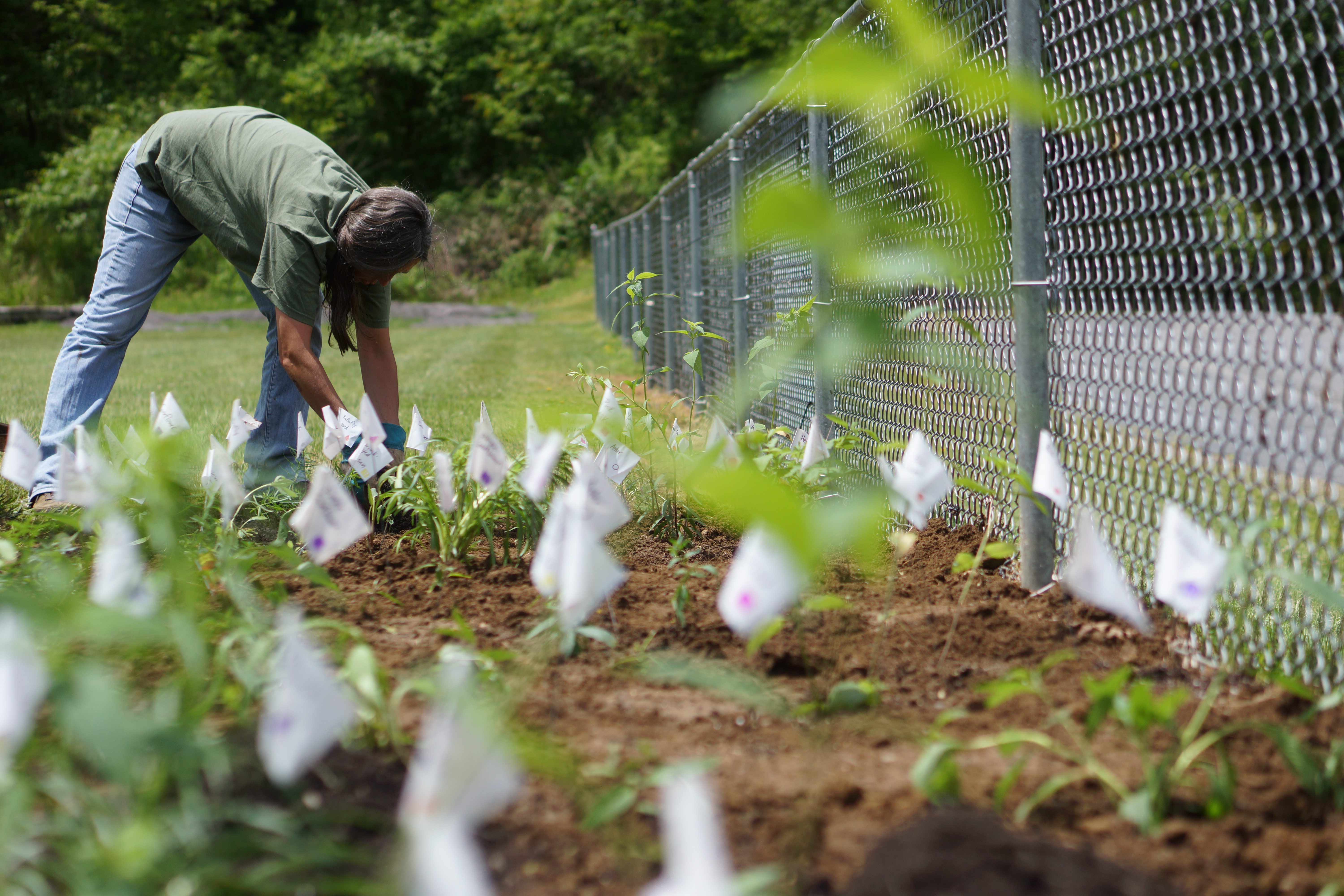
Soil care: compost, aeration, and mulch
Fall soil work pays back quietly, which is usually the best kind. A light compost application helps organic matter and microbial activity without forcing soft growth. In most beds, a surface top-dress is enough. Spread it around the root zone, keep it off trunks and stems, and let watering and time do the rest.
If an area is compacted from summer foot traffic or repeated irrigation, loosen the surface carefully. The objective is to improve infiltration and reduce crusting, not to dig a trenching project around established roots. A hand fork or narrow aeration pass is usually more useful than deep disturbance.
Then add mulch. In Mediterranean gardens, mulch is doing three jobs at once: stabilising moisture, buffering soil temperature, and suppressing opportunistic weeds after the first autumn moisture. A conservative layer of roughly 5 to 7 cm is enough for most ornamental beds.
Practical rule: compost feeds the system, aeration opens it, and mulch protects it. If irrigation has been inefficient all summer, soil care is often the cheaper correction before you start changing watering times.
Watering adjustments for autumn
The change from summer to fall is not “stop watering.” It is water less often, but only after you check. Cooler nights and shorter days mean the garden usually needs fewer irrigation cycles, but containers, exposed planters, and new planting can still dry faster than mature beds.
Use a simple check before you change the schedule: look below the surface, not just at the top centimetre. If the root zone is still moist, wait. If rain arrives properly, reduce programmed irrigation and watch how long that moisture actually holds. If October turns dry again, increase carefully rather than going back to peak-summer habits.
- Avoid overwatering after pruning: a recently cut plant does not need to sit in constantly wet soil.
- Avoid soaking fresh planting every day by default: water in thoroughly, then monitor.
- Watch foliage moisture: leaves that stay wet for too long in shaded corners make fungal problems easier, not harder.
- Check drainage: containers and low spots matter more as winter approaches and rainfall becomes less predictable.
Planting guide: hardy herbs, shrubs, and seasonal color
Fall is a strong planting window because root establishment is easier when the soil is warm and the air is less punishing. Keep plant choices local and practical. For edible or aromatic planting, hardy Mediterranean herbs such as rosemary, thyme, sage, and oregano are usually sensible candidates. For structure, use shrubs already proven in coastal heat and wind. For colour, think in terms of reliable seasonal bedding rather than heroic experiments.
A simple selection filter works well:
- Full sun areas: choose Mediterranean-adapted herbs and tough structural shrubs that tolerate reflected heat.
- Partial shade: use plants that handle lower light and hold shape without needing heavy winter correction.
- Seasonal colour: choose cool-season options suited to your exposure and avoid overcrowding just to get an instant result.
The planting sequence should stay boring on purpose: prepare the soil, set the plant at the correct level, water it in properly, and mulch the area. Keep spacing realistic so air can move and roots have room to establish. A full bed on day one often becomes a maintenance problem by January.
If you want a maintenance plan matched to your property rather than generic advice, use the contact page to request a quote or a fall garden audit.
Pest & fungus prevention routine
Autumn prevention is mostly housekeeping and observation. Remove fallen debris, thin congestion where airflow is poor, and avoid adding unnecessary leaf moisture late in the day. These steps are not glamorous, but neither is fungal spread.
Run a short weekly inspection. Check the undersides of leaves, fresh new growth, humid corners near walls, and dense shrubs that stayed crowded through summer. You are looking for early signs, not courtroom-proof drama.
- Watch for yellowing or dull foliage: this may point to stress, drainage issues, or early disease pressure.
- Watch for spots or mildew-like growth: act early with sanitation and better airflow.
- Watch for chewed or distorted growth: inspect before assuming the cause.
- Escalate when symptoms spread: if the issue keeps moving or identification is uncertain, get professional diagnosis before applying treatments blindly.
For broader seasonal maintenance updates and related articles, keep an eye on our gardening news page. If you manage larger properties and need a way to organise recurring checks, this web app generator is a useful resource for building a simple internal maintenance tracker.
Quick checklist you can screenshot
Early fall: next 7 days
- Remove dead, diseased, and damaged growth first.
- Inspect irrigation zones and reduce any schedule that is still running like midsummer.
- Top-dress beds with compost and plan where mulch needs refreshing.
Mid fall: next 2 to 4 weeks
- Do light shaping cuts only where structure or access improves.
- Loosen compacted soil carefully and add 5 to 7 cm of mulch to exposed beds.
- Plant hardy herbs, suitable shrubs, and cool-season colour in prepared soil.
Late fall: before winter settles in
- Adjust watering again based on actual rainfall, not habit.
- Clear fallen debris from beds, drains, and shaded corners.
- Check containers and low spots for drainage issues after rain.
2-minute daily or weekly check
- Look under leaves, touch the soil below the surface, and scan for blocked drippers, mildew, or soft collapsing growth.
Need a cleaner plan for your own garden? Request a maintenance quote through Contact. If you want more practical reading first, go back to the homepage or browse the rest of our publications.