7 Gardening News Signals to Watch This Season
Seasonal notes for gardens across Marbella, Estepona and nearby Costa del Sol properties
7 Gardening News Signals to Watch This Season
The most useful gardening news is not gossip about plants. It is the set of practical signals that tells you what needs attention before heat, wind, pests or guest arrivals turn a small issue into a visible problem.
For property owners and managers on the Costa del Sol, that usually means watching growth speed, irrigation performance, pruning windows, weed pressure and how outdoor areas look between visits. This article turns those signals into a short decision guide you can actually use.

When people search for gardening news, they are usually asking a more specific question: What is changing in the garden right now, what does that change mean, and what should I do first? Around Marbella and Estepona, the answers rarely come from headlines alone. They come from the garden itself: faster hedge growth after mild weeks, tired planting after wind exposure, irrigation lines underperforming in warm spells, or fruit trees setting more heavily than expected.
The safest approach is to read the season as a sequence of maintenance decisions. If you prefer a broader service overview, the publications page and blog index collect the practical notes we keep adding for visitors who want guidance before they book regular support.

What counts as useful gardening news?
Weather shifts
Sudden heat, strong drying wind or a short period of rain can change irrigation and pruning priorities within days.
Growth speed
If hedges, lawns or climbers accelerate, maintenance timing matters more than adding extra work later.
Plant stress
Yellowing leaves, edge scorch and soft growth usually signal a care mismatch, not just a cosmetic issue.
Use patterns
Guest stays, owner arrivals and higher pool use raise the importance of presentation and walkway safety.
7 seasonal signals worth watching
1. Hedges start outrunning the service rhythm
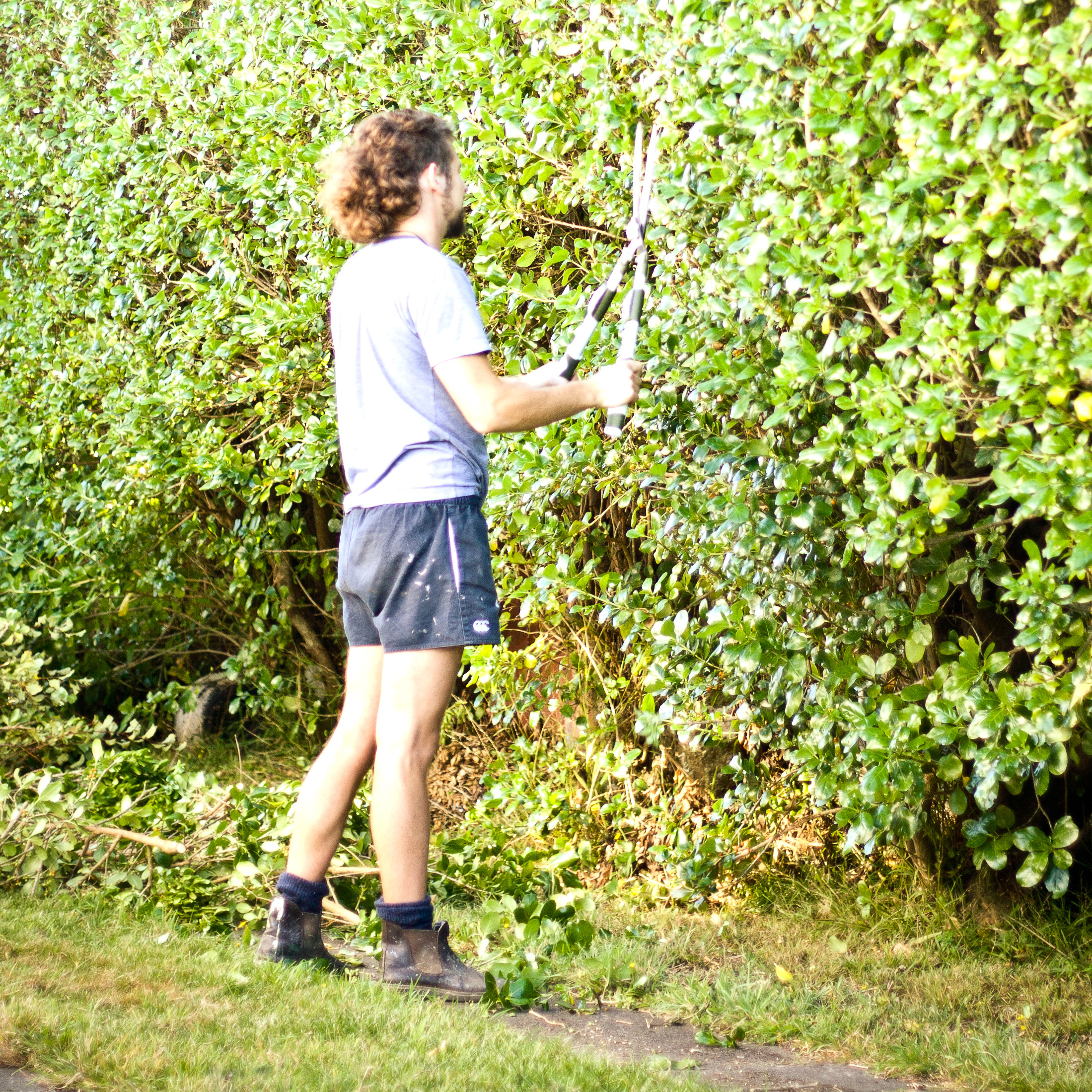
When the outline softens quickly, the real news is not that the hedge needs trimming. It is that the current visit rhythm is no longer matched to growth speed. Adjust timing early and you avoid heavier cuts, visible patchiness and longer recovery.
2. Irrigation is running, but the root zone is still dry
This often shows up as stressed edges, tired planters and uneven lawn colour. The important signal is distribution, not just water duration. Check emitters, pressure, blocked drippers and overspray before you simply extend watering time.
3. Fruit trees are carrying more than the branch structure can support
Heavy fruit set changes the maintenance plan because branches, water use and harvest timing all shift. If you are also growing edible plants, compare the pruning and spacing guidance in our fig tree guide and the coming pomelo notes on the blog.
4. Mulch is thinning and soil is heating too fast
Bare soil loses moisture faster, weeds establish more easily and planters become harder to stabilise. A fresh mulch pass is often a higher-value intervention than extra fertiliser in warm weather.
5. Walkways and pool edges collect debris sooner than expected
This matters because presentation drives first impressions. On rental or second-home properties, debris around paving, drains and pool surrounds is often the first sign that the maintenance schedule needs tightening before guest use increases.
6. Planters are surviving, but not performing
A plant that remains alive is not always a plant that suits the location. When containers stall, the question is usually light, root volume, watering pattern or wind exposure rather than a lack of feeding.
7. The garden looks acceptable, but the workload is becoming reactive
This is the most important signal of all. If each visit is spent catching up, you have already lost the advantage of routine maintenance. A calm, predictable schedule protects both plant health and the visitor experience.
A quick action table for owners and managers
| Signal | What it usually means | Best next move |
|---|---|---|
| Fast hedge growth | Current interval is too wide | Bring the next trim forward and reshape lightly |
| Dry soil below a damp surface | Water is not reaching the active root zone evenly | Inspect drippers, run time and runoff pattern |
| Planter stress in exposed corners | Wind and reflected heat are outpacing recovery | Swap plant choice, add mulch and review watering |
| Poolside debris returns quickly | High-use period or nearby planting shedding more than expected | Tighten clean-up timing before arrivals |
Operations matter as much as plant choice
Larger homes, communities and managed properties often need a clearer way to track routine work, irrigation issues and recurring seasonal tasks. If you are building a simple internal dashboard rather than relying on scattered notes, our web app generator is a practical starting point, AI consulting services can help shape the workflow when several teams need to share updates, and this year’s web app research results offer useful context for teams comparing how people now build internal tools.
What to do next
If your garden maintenance is becoming reactive, use these signals as a checklist before the next visit. If you want direct help planning the work rhythm, email [email protected] or visit the contact page. For more practical reading, continue through our publications and related planting guides.