Garden Tools Every Gardener Should Have: A Practical Checklist
Garden Tools Every Gardener Should Have: A Practical Checklist
Having the right tools does not make gardening effortless, but it does make it calmer, faster, and far less frustrating. A sturdy trowel, a clean pair of pruners, and a few well-chosen helpers can turn small jobs into simple routines instead of weekend battles.
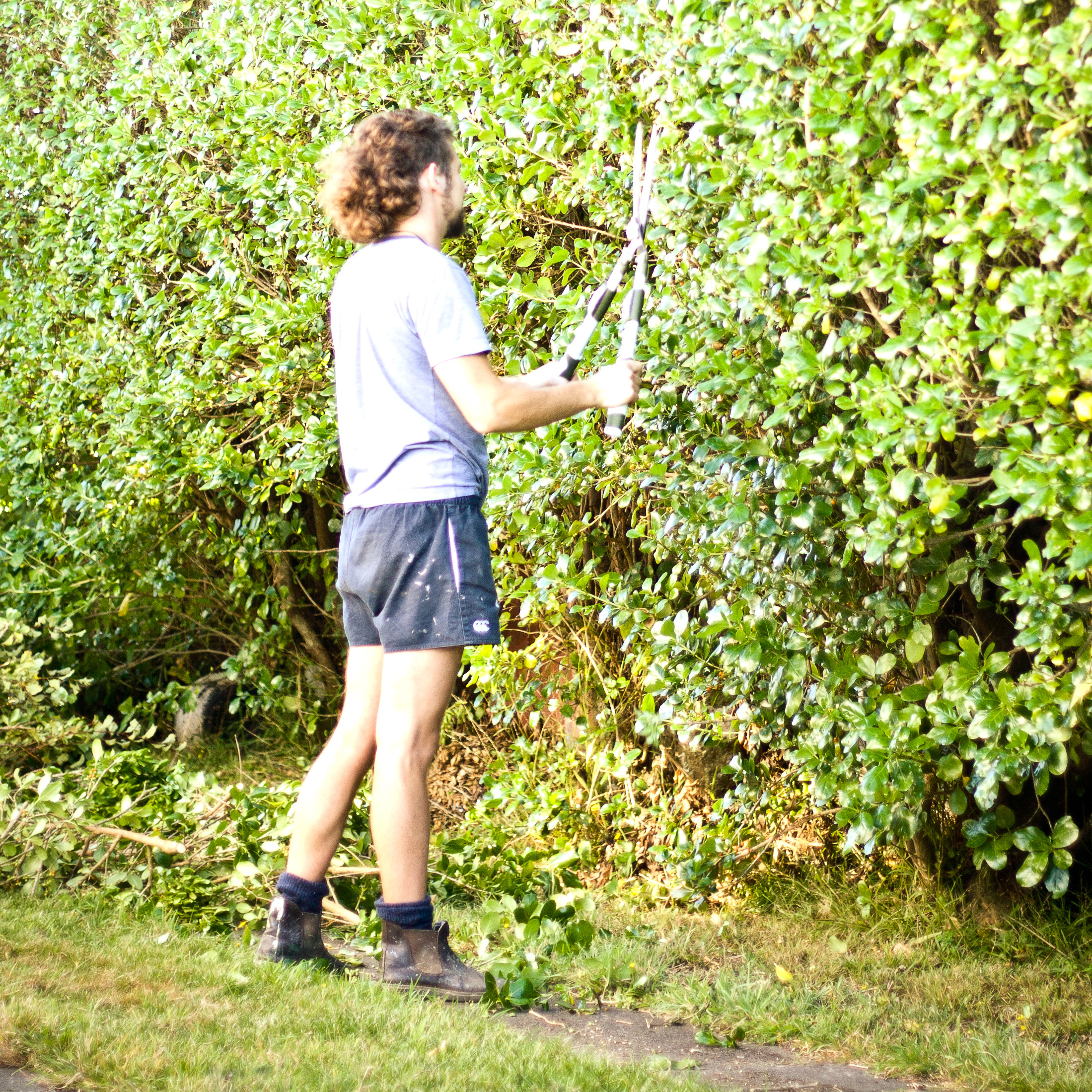
If you are building a kit from scratch, start with the basics and add specialized tools only when your garden asks for them. For a simple overview of hand tool types, the garden tool overview on Wikipedia is a helpful place to start. The real trick, though, is choosing tools you will actually use and can comfortably keep clean.
Quick checklist: the must-have garden tools
- Trowel for planting bulbs, seedlings, and small transplants
- Pruning shears for deadheading, light shaping, and cutting small stems
- Garden fork for loosening soil and lifting compacted roots
- Hand rake for clearing leaves, debris, and mulch from tight spaces
- Watering can or hose with a gentle spray for accurate watering
- Gloves that fit well and protect your hands without slipping
- Wheelbarrow or garden trug for carrying soil, cuttings, and tools
- Spade or digging shovel for larger planting holes and edging work
Basic hand tools: the everyday essentials
Trowel. This is the tool you will reach for most often. It helps with potting, planting, dividing small plants, and moving compost into containers. A comfortable grip matters more than a fancy finish.
Pruning shears. Good secateurs make it easier to remove spent blooms, trim back soft growth, and keep plants healthy. As the Royal Horticultural Society notes on pruning tools suggest, sharp blades and the right tool for the cut help plants heal more cleanly.
Garden fork. A fork is useful when soil feels heavy or compacted. It helps open up the ground, mix in compost, and lift root clumps without forcing you to dig as aggressively as you would with a spade.
Gloves. A simple pair of gloves protects skin from rough stems, thorns, and prolonged wet work. If you garden often, two pairs is not excessive; one always seems to be drying somewhere.
Power tools for larger gardens
For bigger plots, a few powered tools can save time and reduce strain. You do not need all of them, but they earn their place when the work expands beyond hand-tool territory.
- Lawn mower: Useful for keeping grass even and manageable.
- String trimmer: Helpful for edges, fence lines, and awkward corners.
- Leaf blower: Makes quick work of clearing paths, patios, and driveways after pruning or leaf fall.
When choosing powered equipment, pay attention to weight, battery life or fuel use, and how easy it is to maintain. The UK gardening charity Gardener’s World’s gardening tools guidance is a useful reminder that simple, well-made tools usually outlast complicated ones.
How to care for your tools so they last
Tool maintenance is not glamorous, but it is one of the easiest ways to protect your investment. A few small habits make a real difference.
- Wipe soil off after each use before it dries and hardens.
- Rinse metal parts, then dry them fully to prevent rust.
- Sharpen blades regularly so pruning stays clean and easy.
- Oil moving parts and hinge points when they start to feel stiff.
- Store tools in a dry place, off damp ground and away from standing water.
For rust prevention basics, this practical tool-cleaning guide from The Home Depot offers straightforward care steps that are easy to adapt at home.
Specialized tools to add when your garden needs them
Once the essentials are covered, you can add tools based on the way you garden. A bulb planter, loppers, a kneeling pad, or a soil sieve can be very helpful, but only if they solve a real problem in your space. The question is not which tool list looks longest; it is which tools make your next task easier.
A simple way to build your kit
If you are unsure where to begin, start with the four core items: trowel, pruning shears, garden fork, and gloves. Then add a watering tool and one larger carry tool, such as a trug or wheelbarrow. After that, watch your own garden for a few weeks. The next tool should come from a repeated task, not from impulse.
For more garden planning ideas, you can also explore our home page, browse the blog archive, or contact us if you want help choosing the right maintenance approach for your space.
Final thought
The best gardening kit is the one that helps you work steadily, safely, and without unnecessary strain. Start small, care for what you own, and let the collection grow with your garden. That is usually the neatest way to do it-and the least likely to leave you hunting for a missing pruner in the middle of a job.