How to Design a Water-Smart Backyard Garden: Paths, Plant Zones, and Drip Irrigation
Why layout comes before planting
A water-smart garden starts with the plan, not the plant list. If paths, beds, and irrigation are decided late, you usually end up watering the wrong places, stepping through beds to maintain them, or fitting plants into gaps that do not suit their light and water needs.
EPA WaterSense recommends designing landscapes around plant needs, reducing runoff, and keeping water where it belongs: on the soil, not the pavement. That is a practical rule for any backyard, and especially useful in Mediterranean-style gardens where sun exposure can change sharply across a small space. Water-Smart Landscape Design
Think of the layout as a small system: access, plant grouping, irrigation, and maintenance all affect each other. Get those parts right and the garden becomes easier to keep tidy without overwatering it into a problem.

Start with zones: sun, shade, lawn, beds, pots, and service access
Before drawing any paths, split the space into functional zones. The goal is not to make the garden complicated; it is to stop mixing plant types that need different treatment.
- Full sun: for heat-tolerant shrubs, herbs, and Mediterranean perennials.
- Partial shade: for plants that prefer some afternoon protection.
- Lawn or open ground: only where you genuinely need it; lawns typically want a different watering pattern from beds.
- Raised beds and borders: ideal for grouped ornamentals or kitchen-garden areas.
- Pots and containers: best kept together so they can be watered and checked quickly.
- Service access: leave a clear route to taps, valves, filters, bins, and any pump or controller.
UC Master Gardener guidance is consistent on the main idea here: group plants by water need and by exposure. That makes irrigation simpler, and it usually reduces the temptation to run one schedule for the whole garden. Water-Wise Gardening
If you want a related read on plant choice for warm coastal gardens, see our guide to growing pomelo trees. It is a useful reminder that plant size, root spread, and water needs should shape placement from the start.

Plan paths and access points for easy maintenance
Paths are not just decorative. They decide how easy the garden is to weed, prune, mulch, inspect, and water. If you have to step into a bed every time you do routine work, the bed usually gets compacted sooner or ends up with awkward dead zones that are hard to irrigate.
For a small backyard, simple paths are often enough: a gravel strip, stepping stones, pavers, or compacted decomposed granite. The best path is the one that lets you reach every bed edge without flattening plants or dragging hoses through the middle of the space.
- Keep paths wide enough for a wheelbarrow or hose movement where possible.
- Use fewer path types, not more. Complexity is expensive in maintenance, which is a lovely way to waste an afternoon.
- Place access points near valves, hose bibs, and controller locations so checks are quick.
The EPA also recommends regular system checks and keeping spray off hardscape. Good access makes those checks less annoying, which means they actually get done. Watering Tips
Choose the right irrigation approach for each zone
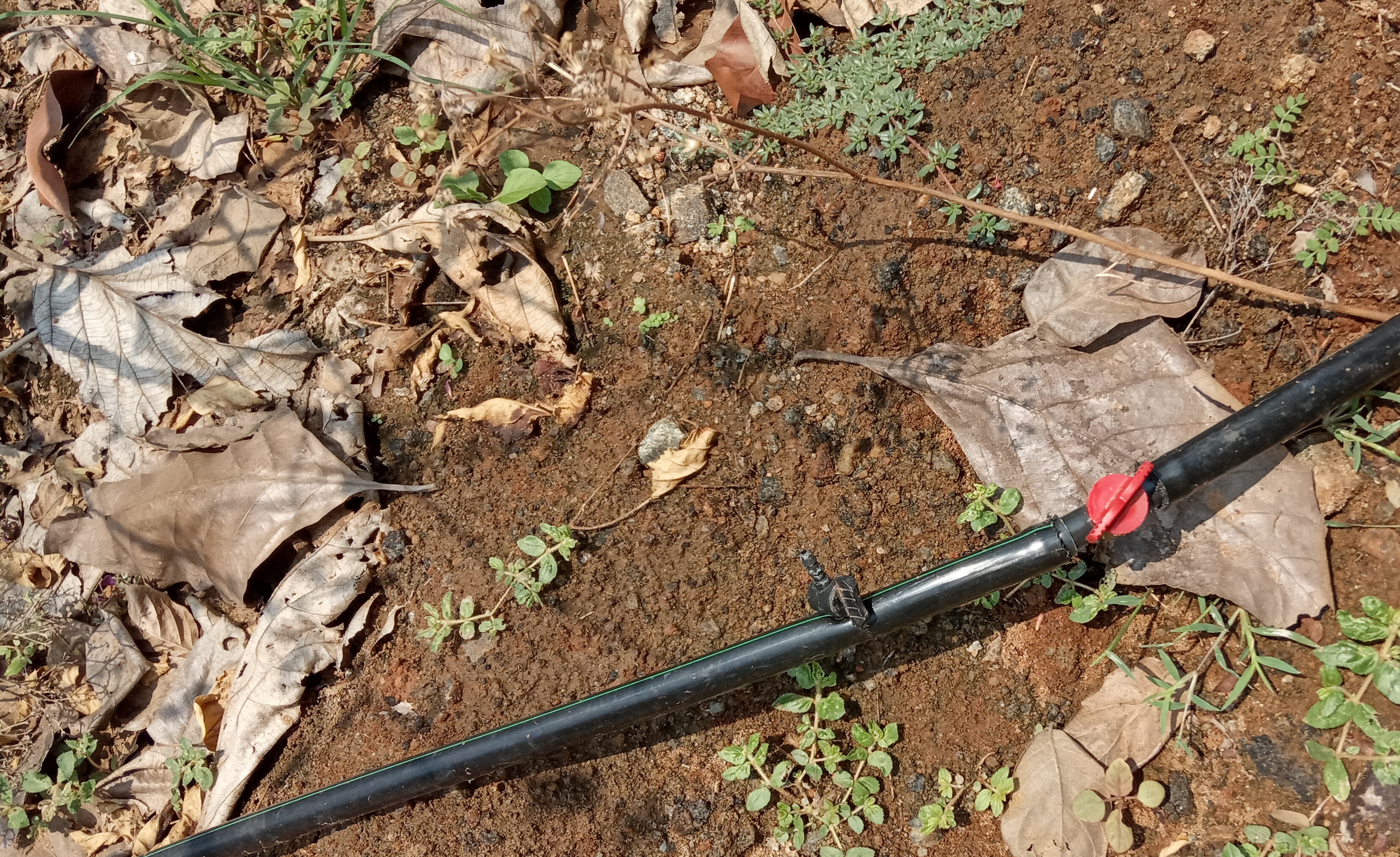
Not every part of the garden should be watered the same way. Drip irrigation is usually the cleanest fit for beds, shrubs, and mixed borders because it delivers water close to the root zone and avoids spraying paths and walls.
Soaker hose can work in some narrow beds, but it is less flexible than a properly planned drip line. Sprinklers are still useful for lawns or larger open areas, but they are generally a poor match for mixed planting beds unless the design really needs them.
- Drip irrigation: best for beds, hedges, shrubs, and grouped perennials.
- Soaker hose: useful for simple rows or temporary bed coverage.
- Sprinklers: more suitable for lawn areas or broad zones with similar water demand.
For landscape drip systems, the University of Arizona Extension explains the core principle well: apply water slowly and directly where roots can use it, then adjust emitter placement as plants grow. The Basics of Drip Irrigation for Landscaping
In practical terms, that means you should sketch each zone before buying fittings. A few minutes of planning can save you from the classic retrofit ritual: buying more connectors than you need, then finding out the line still ends two metres short. Always a charming moment.
Use mulch and soil cover to reduce evaporation and weeds
Mulch is not a cosmetic extra. In warm climates it helps protect the soil surface, slows evaporation, and makes weed control easier. It also helps keep drip lines covered and less exposed to sun damage.
Use organic mulch where you want soil improvement over time, or gravel and other mineral covers where the design calls for a drier Mediterranean look. The right choice depends on the planting style, soil, and maintenance plan.
- Apply mulch after irrigation lines and plant positions are finalised.
- Leave a small gap around stems and trunks so material is not piled directly against them.
- Refresh the cover when it becomes thin enough that soil is visible across most of the bed.
UC water-wise gardening resources also point to mulch as a practical way to stabilise moisture and reduce unnecessary watering pressure. In a backyard, that usually means less fiddling and fewer dry patches. Water-Wise Gardening
Common layout mistakes that waste water or create maintenance problems
The most common mistakes are not dramatic. They are the small design choices that make the garden awkward to care for later.
- Mixing thirsty plants with drought-tolerant ones: one irrigation schedule rarely suits both.
- Overcrowding beds: plants block access, reduce airflow, and make irrigation coverage uneven.
- Ignoring drainage: water can pool in low spots even when the rest of the bed stays dry.
- Letting spray hit paths and walls: wasted water, staining, and slippery surfaces.
- Placing valves or filters where they are hard to reach: maintenance becomes delayed, then neglected.
EPA guidance is especially useful here: keep water on the landscape, not the pavement, and check the system regularly. That sounds obvious until the first overspray hits a wall you just cleaned.
A simple step-by-step checklist for a small backyard garden plan
- Measure the space and mark sun, shade, and wind exposure.
- List the plants you want, then group them by water need and mature size.
- Draw paths and service access before placing any beds.
- Assign each zone an irrigation method: drip, soaker hose, or sprinkler.
- Place valves, filters, and controllers where they are easy to inspect.
- Choose mulch or soil cover for each bed and note where irrigation lines will sit.
- Install the system, then test every zone for coverage and leaks.
- After planting, adjust emitters and timing based on soil type, plant size, and season.
- Recheck monthly during active growing periods and after any major planting change.
If you prefer a broader starting point before redesigning a garden, the home page gives a quick overview of the services and topics covered on the site. You can also browse publicaciones for more gardening guides and gardening news for current updates.
When to call a professional for irrigation design or retrofit
It makes sense to bring in a specialist when the layout is more than a simple bed-and-path project. That usually includes slopes, mixed pressure zones, patchy coverage, existing sprinkler systems that need converting, or gardens where drainage and planting design are fighting each other.
A professional can also help when the system keeps failing in small but irritating ways: clogged emitters, uneven pressure, overwatering in one zone, or controller settings that never seem to match the season. If you need help, use the contact page to ask about a retrofit or design review, and check where we work if you want to confirm service coverage.
For a related Mediterranean planting example, see how to grow pomelo trees. Trees are a good reminder that irrigation planning should always follow plant structure, not just the shape of the garden bed.
Bottom line
A water-smart backyard garden does not need to be complicated. Start with zones, give each area a clear path and purpose, choose the irrigation method that matches the planting, and protect the soil with mulch or cover. That is enough to make the garden easier to maintain and much more sensible to water.
If you are not sure where to begin, sketch the layout first and keep the plant list short. The garden will tell you pretty quickly whether the design works. It is rude like that, but useful.