How to Grow Wintergreen (Gaultheria) in a Coastal Garden: Winter Care, Soil, and Shade Tips
Introduction
Wintergreen, or Gaultheria, earns its place in a coastal garden for one boring reason: it behaves like a plant that actually knows where it lives. It stays low, keeps its glossy foliage, and adds winter color in shade where many plants give up and sulk.
If your garden gets bright mornings, salty wind, and patchy shade, Gaultheria can work. But it is not a plant for improv theatre. It wants acidic soil, steady moisture, and protection from the kind of winter conditions that dry leaves out faster than gardeners expect.
For broader context on the genus, see Gardenia’s Gaultheria genus guide and the practical winter-protection notes from Missouri Botanical Garden on winter injury.
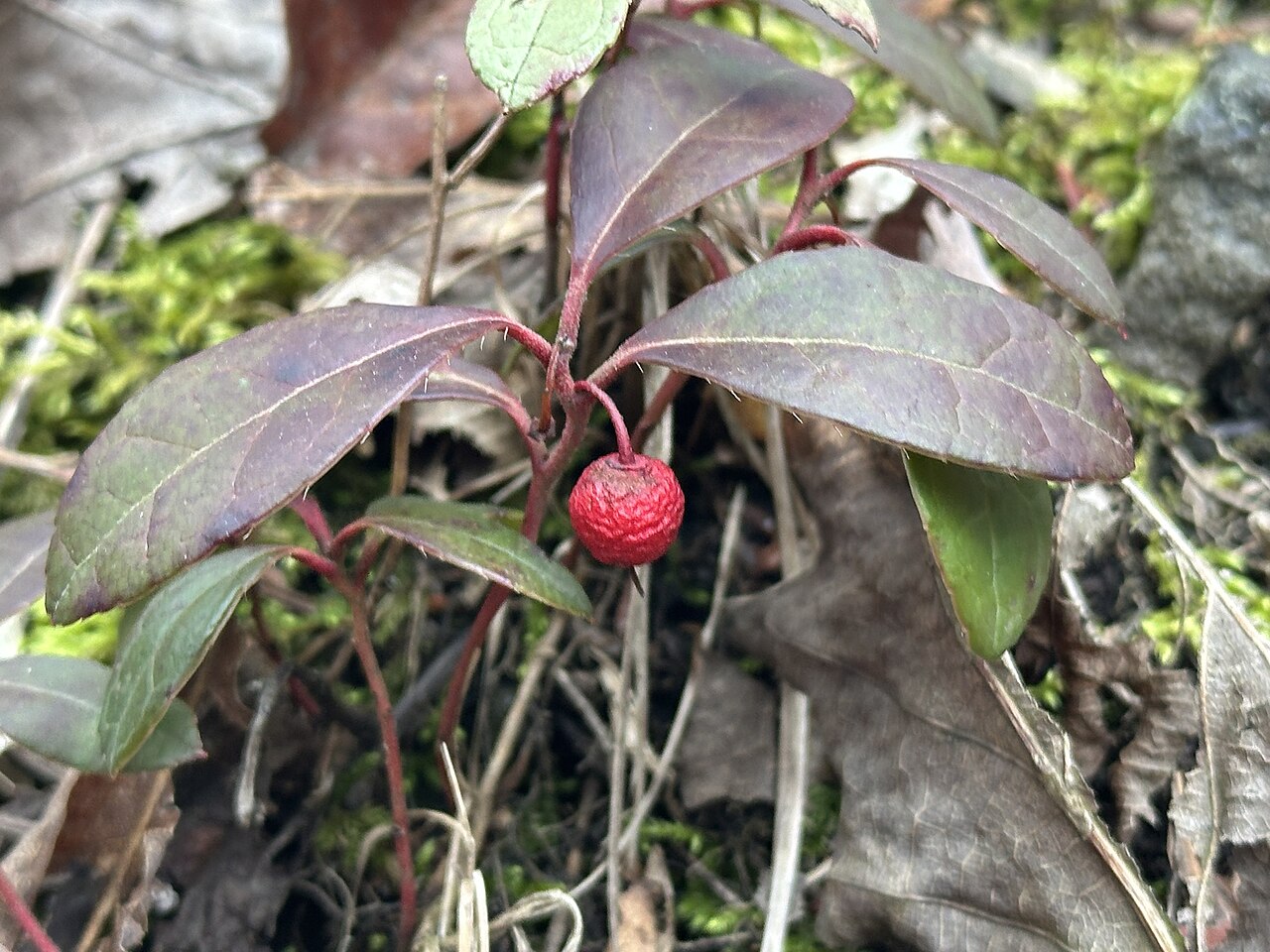
What Gaultheria Needs in Winter
Light: partial shade or bright filtered shade. In coastal gardens, winter sun is less intense than summer sun, but drying light plus wind can still stress evergreen leaves.
Soil: acidic, moisture-retentive, and well drained. If your soil is alkaline, Gaultheria will not quietly ignore it. It will struggle, then show you exactly how unhappy it is.
Moisture: steady, not swampy. Roots need access to water, but not a permanently waterlogged pot or border.
How to Protect Gaultheria from Winter Stress
- Plant it where a wall, hedge, or other shrubs block harsh wind.
- Avoid open, exposed corners that get blasted by drying winter sun.
- Keep it out of reflective heat traps such as pale paving or south-facing walls.
- Use a shallow mulch layer so the roots stay evenly cool and moist.
Missouri Botanical Garden’s winter protection guide for trees and shrubs says it plainly: water before stress arrives, mulch properly, and reduce exposure. Yes, the boring steps matter. That is usually the problem.
Watering and Mulching Checklist for Winter and Early Spring
| Task | What to do |
|---|---|
| Check soil moisture | Water when the top layer begins to dry, especially in containers. |
| Watering time | Water in the morning so foliage does not stay wet into a cold night. |
| Mulch | Use leaf mould, fine bark, or composted organic mulch around the root zone. |
| Drainage check | Make sure pots and borders drain freely after rain. |
| Early spring review | Refresh mulch and remove any winter-damaged stems once new growth starts. |
Best Planting Locations for Coastal Gardens and Patios
Put Gaultheria in a place that gives it filtered light, shelter, and consistent moisture. Good options include:
- north- or east-facing borders with morning shade
- under taller shrubs that soften wind
- patio containers that stay shaded and can be monitored closely
- mixed beds with acidic companions that like similar conditions
If you are planning a broader planting scheme, our homepage and publications page can point you to related garden guides. For local support, see where we are or contact us. For another planting comparison, read how to grow a pomelo tree.
Common Mistakes to Avoid
- Planting in alkaline soil. This is the fastest way to create chronic decline.
- Overwatering containers. Wet roots are not a badge of honor.
- Giving it full sun. Bright shade is fine; scorch is not.
- Heavy winter feeding. New soft growth is the wrong idea at the wrong time.
For a related plant profile and care notes, see our Gaultheria care guide.
When to Prune, Refresh Compost, or Repot
Prune only what is dead, damaged, or badly out of shape. Late winter to early spring is usually the cleaner window, once the worst cold has passed but before the plant pushes new growth.
For container plants, refresh the top layer of compost in spring. Repot only when roots have clearly filled the container or drainage has gone wrong. If the plant is healthy and the pot still works, do not “improve” it into a problem.
Quick Care Summary and Seasonal Checklist
- Keep Gaultheria in partial shade.
- Use acidic, well-drained soil.
- Water steadily, but do not saturate the roots.
- Mulch lightly to protect the root zone.
- Shield plants from wind and drying winter sun.
- Check containers more often than borders.
- Prune and repot only when the plant actually needs it.
If you want a second reference point for winter protection basics, the University of Minnesota Extension’s winter guidance is useful because it keeps the advice simple: protect roots, manage moisture, and avoid doing dumb things in bad weather.
Seasonal checklist: water before dry spells, renew mulch in late winter, inspect pots after storms, and move stressed containers out of wind if needed. That is usually enough.